








Poland takes centre stage for CTP
Material partner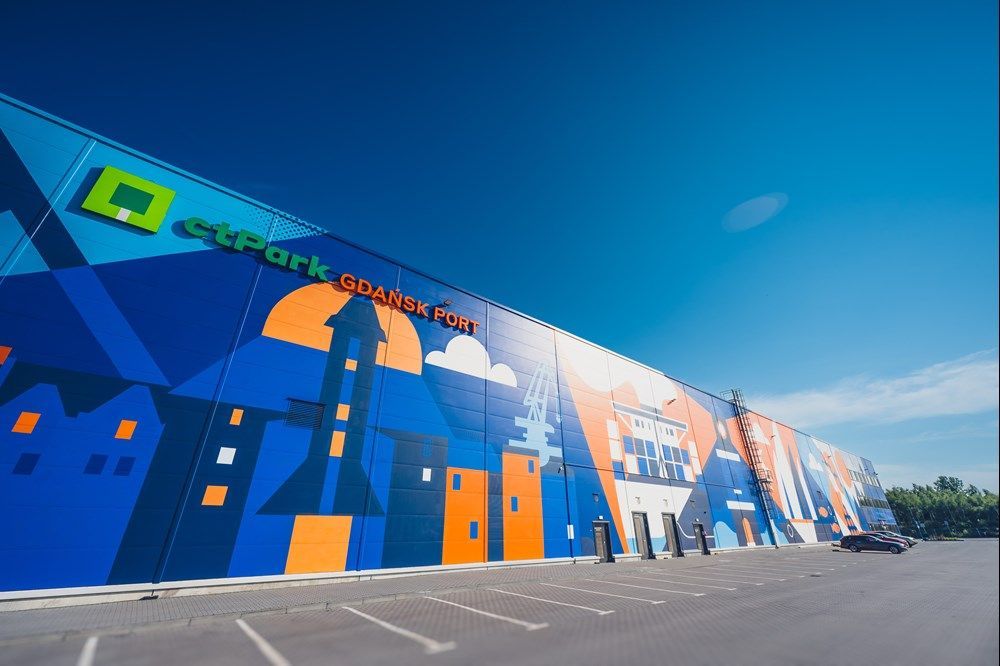
Behind the figures lies a broader shift: warehouses are increasingly giving way to multifunctional business parks, while logistics is being complemented by manufacturing, nearshoring operations, services and infrastructure that supports employees’ everyday comfort.
Poland’s industrial and logistics property market has entered a more mature phase. Following the rapid expansion of e-commerce and record development activity, competitive advantage is less and less often determined simply by the ability to deliver another warehouse quickly. What increasingly matters is access to land and power, the location in relation to European supply chains, flexibility in adapting space to tenants’ needs and scale, the scope for expanding a park, and the owner’s ability to develop relationships with clients beyond the borders of a single market.
It is against this backdrop that CTP is rapidly scaling up its Polish operations. At the end of H1 2026, the total area leased in the company’s Polish parks stood at 996,840 sqm. The symbolic 1 mln sqm threshold is therefore within touching distance. Far more important than the milestone itself, however, is the speed at which the company has approached it.
CTP in Poland from 218,000 to over 1 mln sqm gla
At the end of 2022, CTP’s completed portfolio in Poland comprised 218,000 sqm. Three and a half years later, it had reached 1.092 mln sqm gla – an increase of more than five times. Poland now accounts for around 7.4 pct of the CTP Group’s completed space. At the end of H1, the Group’s portfolio included more than 14.8 mln sqm of completed industrial and warehouse GLA. Yet Poland’s share of new business is even more striking. During the first half of the year, CTP signed leases for 168,000 sqm in Poland, representing around 10.7 pct of the Group’s total leasing volume over the period. CTP’s Polish business is therefore growing faster than its current share of the European portfolio would suggest.
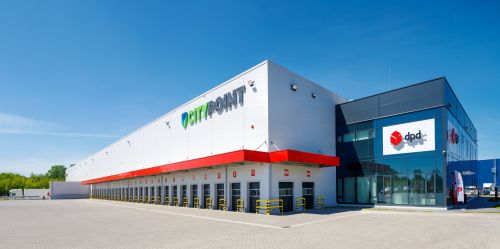
CTP now offers more than 20 parks in Poland, including 16 already completed, and manages 35 operational buildings across 16 locations. It also has a land bank of almost 2.6 mln sqm. This is a particularly important part of the business model when some large tenants expect not only space for their immediate needs, but also the option to expand their operations later within the same location.
In 2026, CTP extended the geographical reach of its investments to include Bydgoszcz and Suchy Las near Poznań, while Częstochowa is the next growth destination. Expansion is therefore not confined to the largest and most obvious warehouse hubs. The developer is building a network that also covers regional centres, where logistics is increasingly converging with manufacturing.
Poland’s warehouse market draws new entrants
The structure of the leases being signed clearly illustrates the difference between Poland and the more mature markets where CTP operates. Across the Group, around 65 pct of H1 leasing volume came from existing clients expanding within the CTPark network. In Poland, the position was reversed: every lease signed during the period was with a new client. This can be seen partly as evidence that the Polish portfolio is at an earlier stage of development, but also as a sign of the market’s attractiveness. Poland remains a natural entry point for companies seeking manufacturing and distribution locations in the CEE region.
The demand profile in CTP’s buildings also shows that the warehouse market does not depend on a single sector. In H1 2026, e-commerce and retail accounted for almost 40 pct of the space leased in CTP’s Polish parks, logistics operators accounted for around 23 pct, and manufacturers – including renewable energy companies – accounted for approximately 17 pct.
Recent transactions also demonstrate the diversity of operations now conducted in industrial and logistics parks. InPost Group opened the OPO II Logistics and Service Centre at CTPark Opole, servicing Paczkomat® parcel lockers destined for markets including the UK, Spain, Portugal and Italy. At CTPark Gdańsk Port, immediately adjacent to Baltic Hub, MITGAR Port Operation leased more than 7,500 sqm to expand its logistics services for the automotive sector. Ratrusto, meanwhile, chose CTPark Zabrze for its first manufacturing plant, where it will launch a production line for plastic components.
These are three different businesses and three different models for using real estate. What connects them is the need to locate operations in a place offering not only the right building, but also access to transport infrastructure and labour, together with the ability to tailor the space to the requirements of a particular business.
Nearshoring is changing the role of industrial parks
Only a few years ago, e-commerce was one of the phrases most frequently used to describe the warehouse sector’s prospects. Today, nearshoring plays a growing role in discussions about the market’s development. The pandemic, geopolitical tensions and disruption to global supply chains accelerated both debate and decisions about bringing production closer to end markets. Central and Eastern Europe is one of the beneficiaries of this shift.
This is also visible in the demand profile across the CTP Group, where manufacturers, 3PL operators and automotive companies remain key clients. At the same time, sectors that until recently were not associated with the conventional warehouse market are emerging, including life sciences, semiconductors, robotics, e-mobility technologies and energy.
Windar Renovables is a good example. The manufacturer of structures for the wind energy industry leased almost 29,000 sqm of industrial and warehouse space at CTPark Legnica, as well as almost 41,000 sqm of external storage yard. It is developing its second Polish plant there, which is ultimately expected to have capacity to produce up to 200 wind-turbine towers a year.
Shanghai Pret Composites represents another direction. The Chinese manufacturer of polymer composites for the automotive and industrial sectors opened its first Polish plant at CTPark Opole. Production from Opole is intended to serve European clients.
Projects such as these best demonstrate the practical dimension of nearshoring. It is not simply about moving a factory from one country to another. Increasingly, companies are building regional production networks closer to their end customers, while the property must allow them to launch operations quickly and then scale the business.
For a developer operating across multiple countries, this provides another important advantage: the ability to accompany clients during cross-border expansion. At CTP, one example is the long-term relationship with Raben Group, which occupies the company’s space in several markets, including CTPark Opole and CTPark Warsaw West in Poland.
One park with several space formats
The growing diversity of demand is forcing the product to evolve. The conventional large warehouse remains the foundation, but it does not meet every company’s needs. Some clients require tens of thousands of square metres for manufacturing; others need a few hundred or a few thousand square metres combining warehousing, light production and office functions.
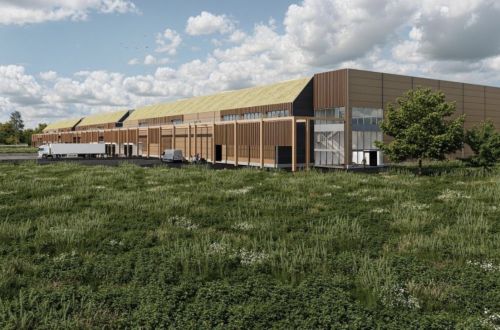
CTP is therefore developing several space formats: from conventional CTSpace through CTFlex to CTBox, which is aimed, among others, at small and medium-sized enterprises. And CTPark Warsaw Nowy Konik is one of CTP’s first Polish projects to introduce the CTBox format.
From a tenant’s perspective, what matters is not just the amount of space, but the ability to adapt it flexibly to the scale of the business. A smaller unit avoids taking more space than is needed, while allowing a company to expand gradually as it grows. For the owner, this means a more diversified tenant mix and the ability to address demand that previously fell outside the traditional market for large logistics parks.
CTP’s extensive Polish land bank creates further opportunities. Almost 2.6 mln sqm of land provides room to develop more parks with CTBox and CTFlex units, deliver built-to-suit projects and expand existing locations.
A warehouse is no longer just a warehouse
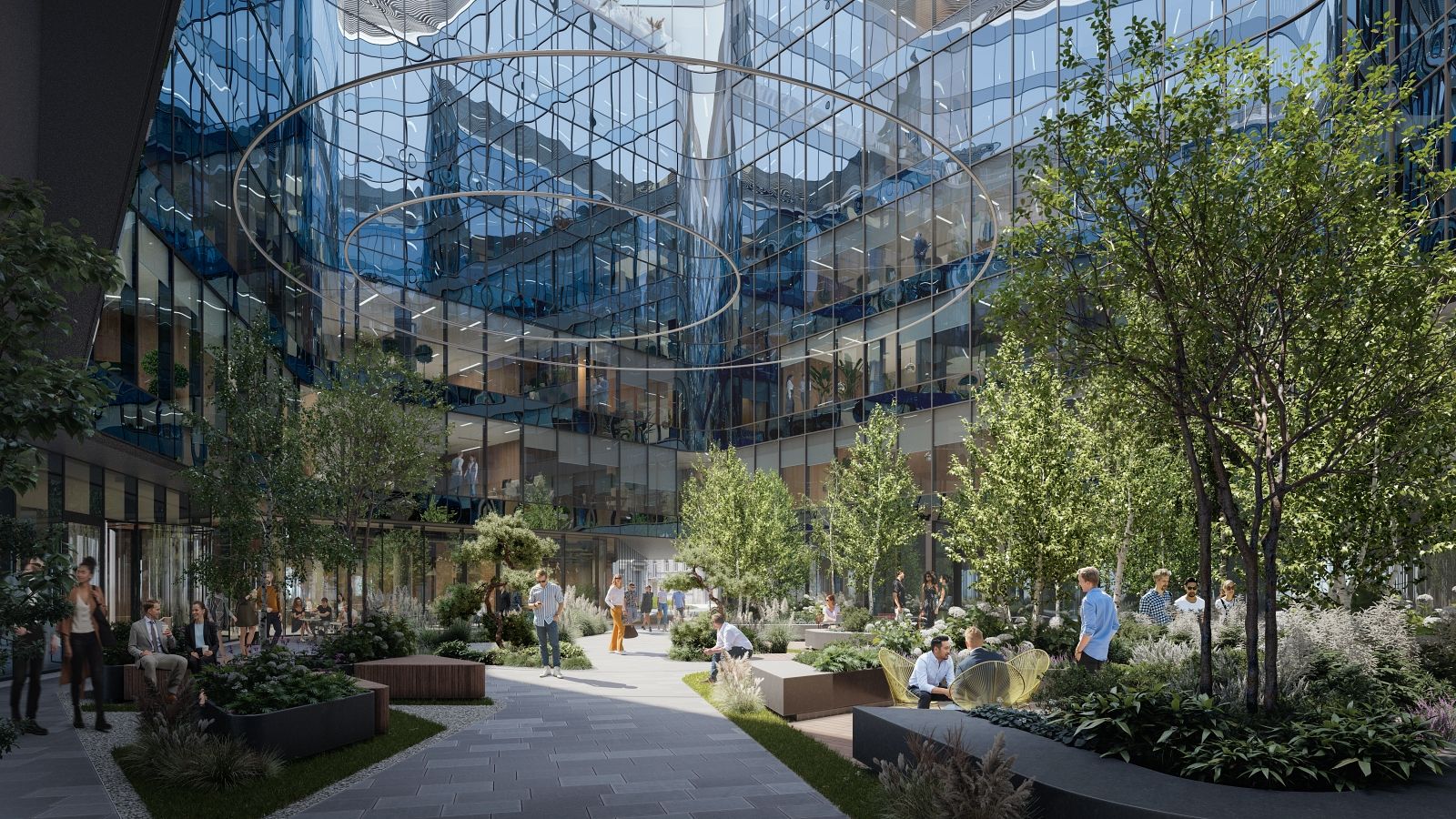
The definition of an industrial and logistics park is also changing. A building once viewed primarily as a place for storage, transhipment or production is increasingly becoming part of a broader business environment.
CTPark Warsaw Janki is a good example. InterPadel has signed a ten-year lease for almost 3,000 sqm, where it will open a club with nine padel courts, a food and beverage area, relaxation zone and office. It is an unusual function for a park associated with the warehouse market, but one that clearly illustrates the direction of change.
Companies now look beyond the building itself to its surroundings. This is particularly important in logistics and manufacturing, where labour availability often influences location decisions. Consequently, the quality of the working environment is becoming part of the economic equation behind an investment.
This is confirmed by a CTP-commissioned survey of manufacturing and warehouse employees working in buildings developed by various companies. Over a two-year period, 43 pct of the warehouse staff surveyed and 25 pct of production employees changed employer, while 56 pct and 45 pct respectively say they are willing to move. Pay is not the only factor when choosing a workplace. Working conditions are equally important, including ergonomic workstations, appropriate temperatures, staff facilities and infrastructure in the vicinity of the workplace.
In this context, features previously treated as additions to an industrial and warehouse park’s offer can have a real impact on a tenant’s ability to recruit and retain staff. The developer’s role therefore extends beyond simply providing space and increasingly includes creating the conditions in which the client operates its business.
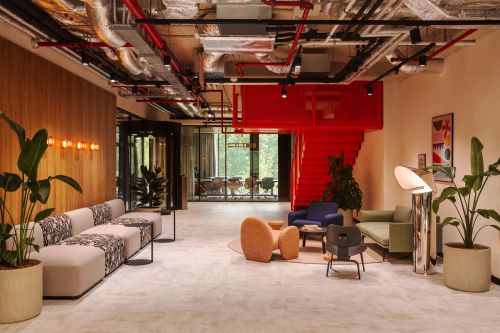
The Clubhaus planned at CTPark Warsaw West is an example of this approach. Across around 800 sqm, the developer will create a multifunctional space that may include conference rooms, offices for rent, a canteen, a lounge, a gym and a medical care point.
Poland grows from firm European foundations
CTP’s expansion in Poland should also be viewed in the context of the Group’s performance. In H1 2026, the company signed leases for 1.576 mln sqm, 55 pct more than a year earlier. Q2 alone delivered a record 813,000 sqm.
Gross rental income increased by 12.6 pct year-on-year over the period to EUR 413.3 mln, while net rental income rose by 12.4 pct to EUR 404.8 mln. Portfolio occupancy remained at 93 pct and the weighted average unexpired lease term stood at 6.1 years.
At the end of June, CTP’s completed portfolio comprised 14.8 mln sqm gla, with a further 2 mln sqm under construction. The company estimates the potential annual income from projects in progress at EUR 152 mln. Its target for 2027 remains EUR 1 bln in annual rental income.
The source of growth is also significant. Around 65 pct of the Group’s new leases are signed with existing clients, while tenant retention remains close to 90 pct. This shows that a client relationship need not end at one location. As the client’s business expands, it can encompass further buildings, parks and even markets.
Against this background, Poland is currently a special case. On the one hand, it benefits from the scale and experience of a pan-European network. On the other, it remains a market where the client base is still expanding extremely rapidly.
The next million will matter more than the first
Passing 1 mln sqm of leased space will be an important symbolic moment for CTP in Poland, but the more interesting question for the market concerns the next stage of growth. The scale and results of the business show that Poland is becoming an increasingly important part of the company’s Central European network.
At the same time, the sector’s future growth will require more than simply adding square metres. Nearshoring is increasing manufacturing’s share of demand, international companies expect an efficient entry into a new market, and tenants need space that can be remodelled, enlarged or combined with additional functions. Energy, labour availability and the quality of the wider business environment are also becoming increasingly important.
At this stage of the market, competitive advantage no longer lies solely in portfolio scale, but in the ability to build a long-term relationship with the tenant. A model in which the developer not only delivers space, but also retains ownership and manages the buildings after completion, is important. In CTP’s case, this is complemented by a substantial Polish land bank and a European park network. As a result, the company can respond both to businesses entering the Polish market and to tenants expanding in several countries at the same time.
In this respect, one million leased square metres may prove not to be the finish line for CTP, but the point from which Poland begins to play an even greater role in the Group’s European strategy.