








Czech Republic Czech industrial parks get design upgrade
Warehouse & industrial
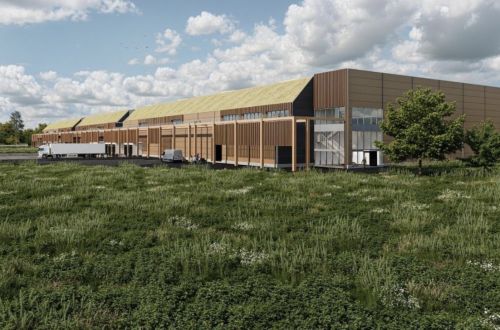
The change is most visible in the buildings themselves. Developers are finding ways to break up large structures and make them fit more naturally into their surroundings. Facades increasingly feature greenery, artwork and references to local history.
At Panattoni Park Cheb, for example, the main facade of a more than 200,000 sqm distribution centre for a global fashion retailer incorporates a motif inspired by houses in the city's historic centre. The facade is almost 700 metres long and 15 metres high.
Other projects take a similar approach. Industrial buildings in Humpolec feature sgraffito, while a former textile factory in the town — once Hall No. 8 of the Sukno state-owned enterprise — has been transformed into a cultural and industrial space housing the 8smička contemporary art gallery.
Brownfield sites often preserve original industrial elements, such as exposed brickwork or steel beams, which can be combined with modern technologies while making use of existing infrastructure and limiting new land use.
Desanka Timkovská, senior associate, industrial agency, Colliers
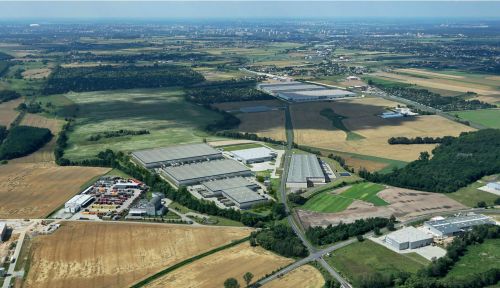
Greenery is also becoming a more common feature of industrial parks. Developers are planting trees and wildflower meadows, while some sites have introduced hundreds of beehives. At an industrial park near Ostředek along the D1 motorway, sheep graze the grass instead of the land being maintained entirely by machinery.
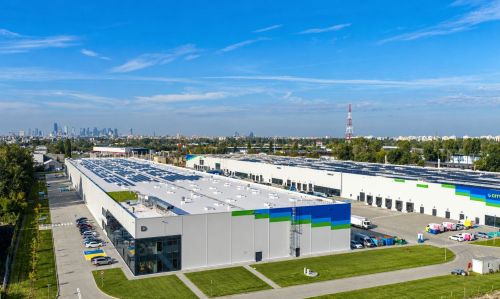
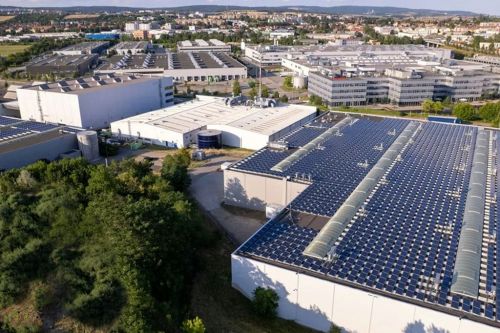
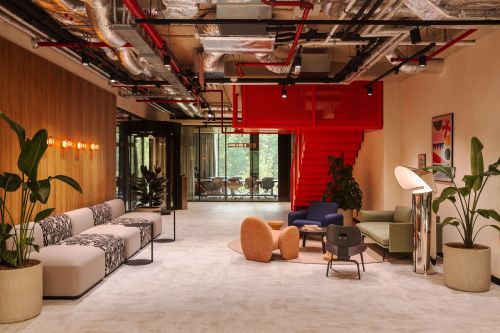
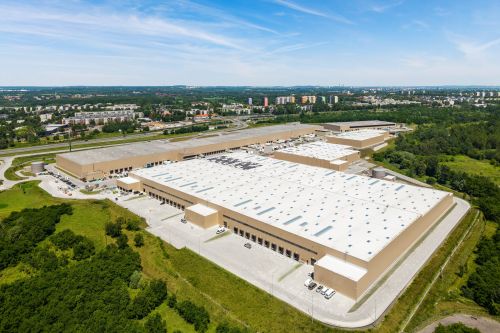
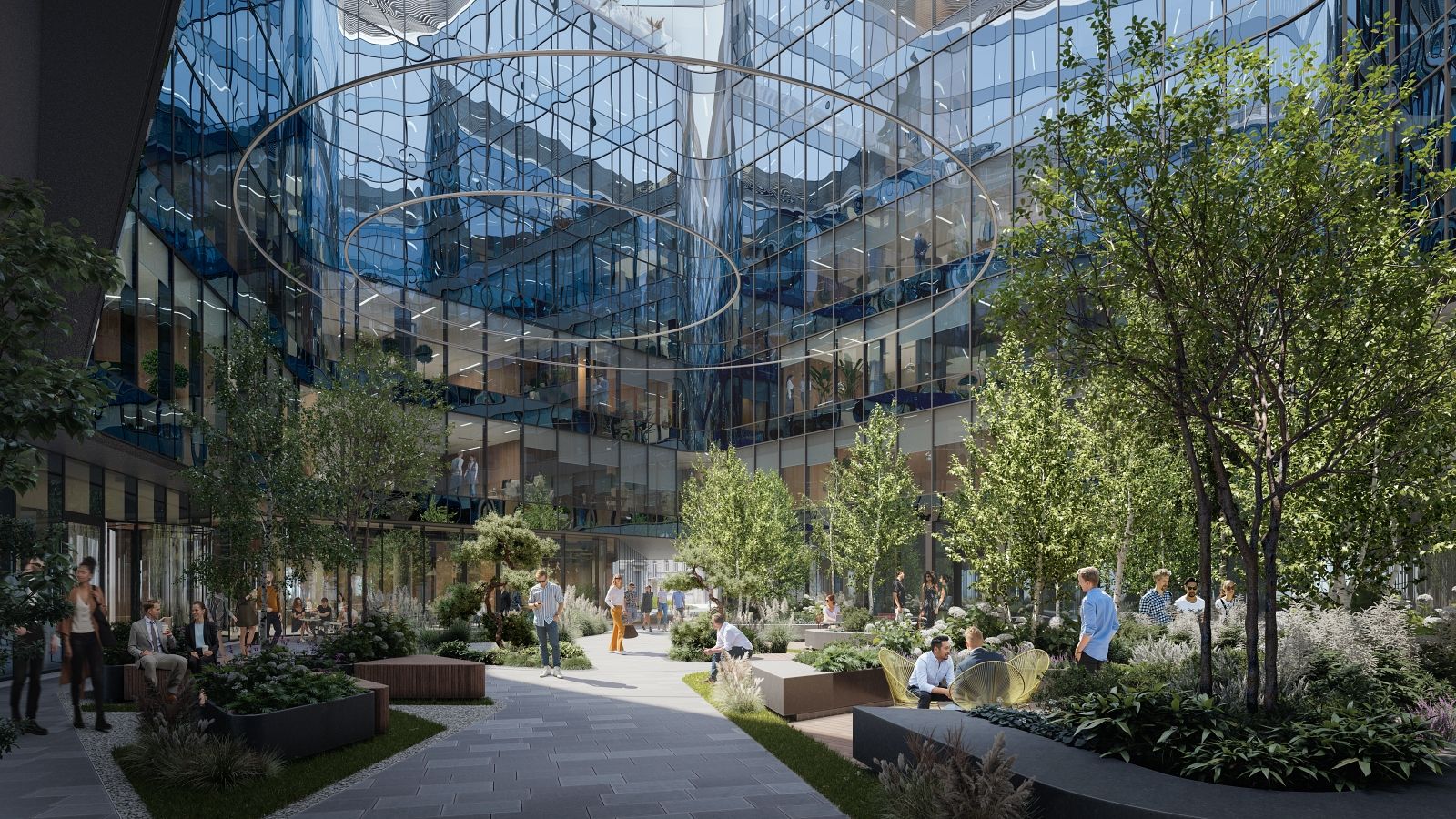
The image of an industrial park as a collection of anonymous warehouses on the outskirts of town no longer reflects reality in many cases. Companies are paying more attention to architecture, greenery and places where employees can spend their breaks. Industrial zones are increasingly starting to look more like campuses.
Desanka Timkovská
Access matters
Good motorway access remains essential, particularly for logistics, but developers are also paying closer attention to how employees get to work. Proximity to rail, public transport and cycling routes is becoming increasingly important.
Ostrava is a good example. The city has a large supply of brownfield land, allowing developers to build new industrial projects within the urban fabric rather than in isolated locations far from residential areas.
The changing nature of manufacturing is reinforcing this trend. As factories become more automated and technologically advanced, companies need more than production workers. They are also looking for technicians, automation specialists, engineers, IT professionals and production managers.
That is increasing the value of locations close to technical universities and other sources of skilled labour.
Beyond the big cities
Higher land and labour costs in Prague, Brno, Plzeň and Ostrava are pushing investors towards smaller regional centres.
New and planned infrastructure is helping to open up these markets, including the D3 motorway between Prague and Linz, the D52 between Brno and Vienna, the expansion of Prague's D0 ring road and the D35 in Moravia.
Cities such as České Budějovice, Olomouc, Přerov, Vysoké Mýto and Svitavy are attracting more attention as a result. Rents in these markets typically range from EUR 5.20 to EUR 5.80 per sqm per month, compared with EUR 7.00 to EUR 7.50 around Prague.
Quality pays
Building industrial space is more expensive in the Czech Republic than in Poland, partly because of stricter building requirements, more complex permitting and higher material and labour costs.
But the headline construction cost or rent does not tell the whole story, according to Colliers.
Compared with Poland, the Czech Republic has long had lower service fees associated with building operations. These remain at EUR 0.75 to EUR 1.00 per sqm per month.
Desanka Timkovská
Modern, certified buildings can also use less energy, potentially offsetting some of the higher upfront cost over the lifetime of a lease.
Manufacturing takes the lead
The Czech industrial market continues to grow, although the composition of demand is changing.
Developers delivered 446,200 sqm of new industrial and logistics space in the first half of 2026, with Prague and the Central Bohemian Region accounting for 69 pct of the total.
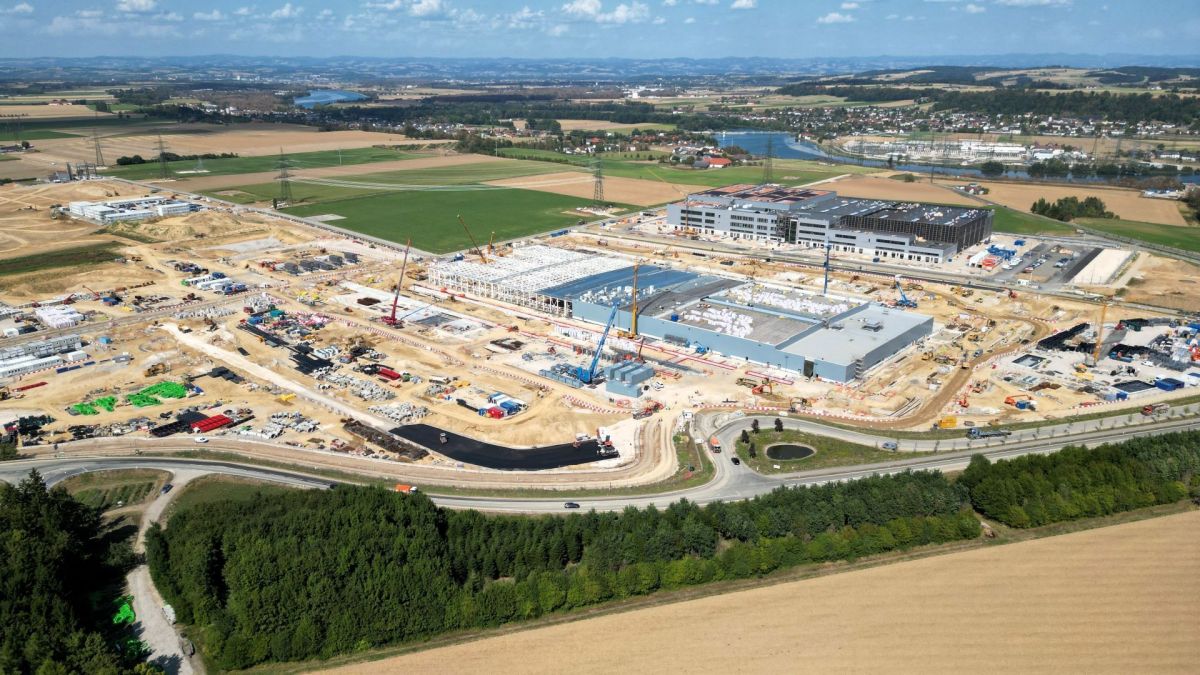
Around 1.46 mln to 1.7 mln sqm is currently under construction across more than 170 industrial parks. About 42 pct is being built speculatively, without a signed tenant. CTP Invest accounts for 45 pct of space currently under construction.
Another 2.7 mln sqm has been approved but has not yet started construction, while roughly 2.5 mln sqm is awaiting approval. That puts the potential future supply at more than 5.2 mln sqm.
Vacancy has also increased to 5.5 pct, or about 753,400 sqm of immediately available space — the highest level since the third quarter of 2015. Colliers describes this as close to a healthy market balance and says it gives tenants more room to expand.
The bigger shift is in what companies are looking for. E-commerce and distribution dominated demand earlier in the decade, but manufacturing accounted for 41 pct of gross realised demand in the second quarter of 2026. Logistics and distribution each accounted for 21 pct.
The shift is partly driven by nearshoring, as manufacturers move production and key supply-chain operations closer to European markets.

Who will win and who will lose with changes to the land market
Walter Herz
The biggest change to the land market in years is on the horizon. The spatial planning reform will mean that plots previously considered attractive may lose value, while land with ...
Sales up, supply down
JLL Polska
In the first quarter of 2026, the Polish housing market recorded a significant increase in sales. A total of 12,900 apartments were sold across the country's seven largest cities ( ...
Rent isn't everything. The real costs of leasing warehouse space
Newmark Polska
Choosing a new warehouse takes much more than simply comparing rental rates across a few or even a dozen centres. With rising energy costs and varying technical standards, the actu ...