








CEE region Two-thirds of CEE retail stock is over 15 years old
Retail & leisure
Modern retail stock across the CEE-6 and Baltic markets totals approximately 33.3 mln sqm. Of this, 20 mln sqm is more than 15 years old and more than 10.6 mln sqm is over 20 years old. The ageing profile is particularly pronounced in the region’s capital cities: 84 pct of Budapest’s modern retail stock is more than 15 years old, compared with 76 pct in Riga and 70 pct in Warsaw. The share also exceeds 60 pct in Tallinn, Bratislava, Prague and Vilnius.
The pattern reflects the retail development boom of the late 1990s and early 2000s. Many centres built during that period remain operationally relevant, but increasingly require investment to respond to changing consumer expectations, retailer requirements and environmental standards.
CEE’s retail market is moving from expansion to optimisation. The scale of mature stock creates significant investment opportunities, but there is no universal solution. Depending on the asset’s location, competitive position and physical characteristics, the appropriate strategy may range from tenant-mix optimisation and refurbishment to a change of format or comprehensive redevelopment.
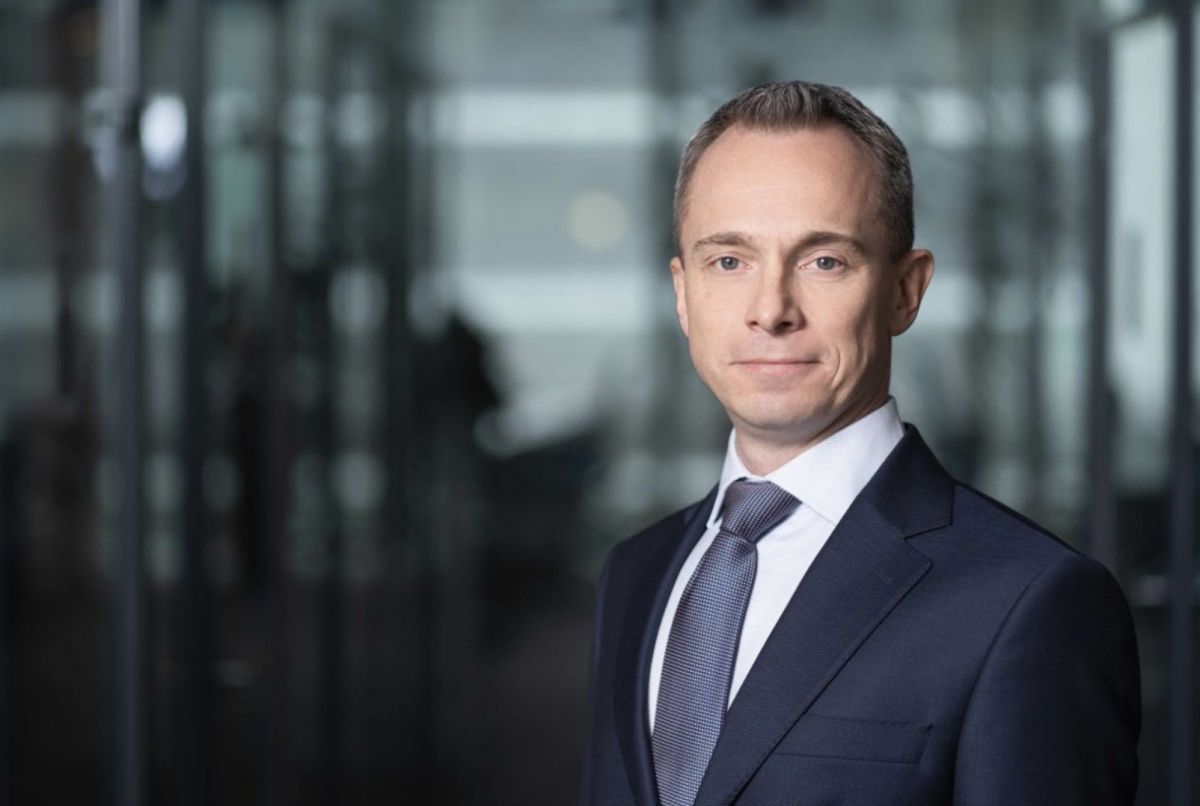
Wojciech Wojtowicz, senior business analyst, market insights, Colliers
Unlike in some Western European markets, where obsolete shopping centres are increasingly being converted into residential, logistics or mixed-use schemes, many CEE retail assets continue to benefit from relatively healthy occupancy and occupier demand. This means refurbishment and repositioning remain more common than wholesale redevelopment.
Landlords are increasingly adding food and beverage, leisure, entertainment, health, wellness, fitness, healthcare, co-working and community services. These uses create additional reasons to visit and are less exposed to direct online substitution than traditional goods retail.
The shift is also being shaped by demographic and economic changes. CEE markets are ageing and several countries are experiencing population decline, but household purchasing power continues to rise as incomes and productivity converge towards Western European levels. At the same time, purchasing power is becoming increasingly concentrated in the region’s largest cities, supported by internal and international migration.
Population ageing does not necessarily mean a shrinking consumer market. CEE households are becoming wealthier, while purchasing power is increasingly concentrated in the region’s largest cities. At the same time, an ageing population and a shift towards more service-oriented consumption are changing the structure of demand. Retail destinations will therefore need to offer more than traditional shopping, strengthening the case for the modernisation and repositioning of mature assets.
Grzegorz Sielewicz, head of economic & market insights, CEE, Colliers
Across the region, owners are responding in different ways. In Estonia, shopping centres are increasingly incorporating gastronomy, leisure, sport, wellness and healthcare. Tallinn’s T1 Centre has progressively reduced its reliance on traditional retail by introducing recreational, sports, beauty, wellness and office uses.
In Lithuania, the focus is largely on modernisation and targeted repositioning. MADA in Vilnius is undergoing major reconstruction to create a community-oriented lifestyle destination, while Europa Shopping Centre has strengthened its health, wellness, sport and leisure offer.
Slovakia’s mature shopping centres are responding to a highly competitive market through refurbishment and broader offers spanning food and beverage, healthcare, wellness, entertainment and convenience-led retail. Vivo! Bratislava has been repositioned towards daily needs and value-oriented retail, including a dual-supermarket concept.
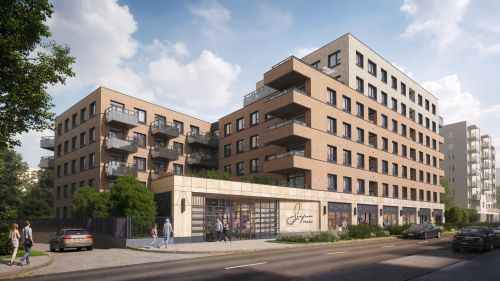
Poland offers some of the clearest examples of more extensive transformation as the market becomes increasingly saturated. Selected older assets have been converted into retail parks, mixed-use schemes, offices or residential developments. Former retail sites such as Pasaż Tesco in Gdynia and Malta in Poznań are being redeveloped for residential use, while other shopping centres have been converted into more flexible retail park formats.
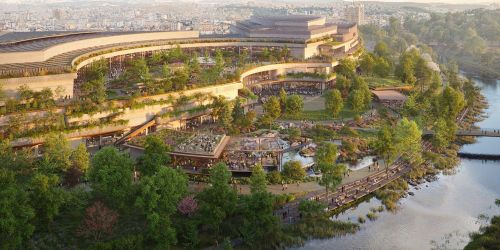
In Latvia, the planned redevelopment of MOLS in Riga will create a mixed-use destination combining retail, dining, healthcare, hospitality, co-working, sports, wellness, leisure and events around an 8,650 sqm public square. The project is intended to transform an inward-looking suburban shopping centre into a broader urban destination.
Romania is seeing a similarly broad range of approaches, from targeted refurbishment to substantial redevelopment. Agora Mall in Arad has been extensively modernised and repositioned around retail, food, leisure and services after a period of very low occupancy.
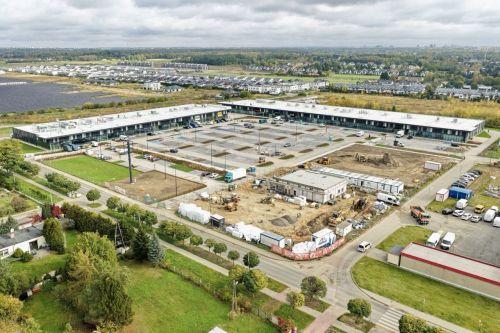
Retail parks are following a somewhat different path. They are generally younger than enclosed shopping centres and continue to benefit from strong occupier demand in many CEE markets. As a result, owners are focusing on ESG upgrades, service provision, convenience-led retail and improvements to the customer experience rather than large-scale repositioning.
The format is particularly relevant in smaller and medium-sized cities, where convenience, accessibility and efficient operating costs are important. Some older hypermarket-led schemes in Poland and Czechia are also being transformed into modern retail parks, offering an alternative to complete redevelopment.
The report points to a broad range of strategies for ageing retail properties, from tenant-mix changes and refurbishment to extensions, format conversions, mixed-use redevelopment and, in selected cases, demolition. The appropriate approach depends on factors including location, catchment, occupancy, competitive position, physical characteristics and redevelopment potential.
The emerging retail cycle is therefore less about adding new space and more about making existing assets relevant to changing consumer and occupier needs. Across CEE, successful retail destinations are increasingly combining shopping with food, services, leisure, wellness, entertainment and community functions.

Who will win and who will lose with changes to the land market
Walter Herz
The biggest change to the land market in years is on the horizon. The spatial planning reform will mean that plots previously considered attractive may lose value, while land with ...
Sales up, supply down
JLL Polska
In the first quarter of 2026, the Polish housing market recorded a significant increase in sales. A total of 12,900 apartments were sold across the country's seven largest cities ( ...
Rent isn't everything. The real costs of leasing warehouse space
Newmark Polska
Choosing a new warehouse takes much more than simply comparing rental rates across a few or even a dozen centres. With rising energy costs and varying technical standards, the actu ...