












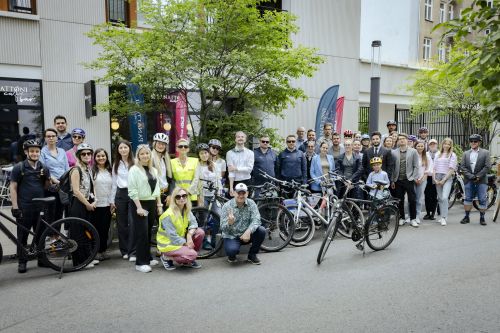





The end of greenwashing as flex grows in strength
schedule 12 January 2026


The office sector is entering a period of deeper qualitative and financial scrutiny. Decisions regarding new projects, refurbishments, or leasing are now supported by more thorough analyses and rigorous financial calculations. This trend is expected to intensify in 2026.
New office supply in Poland remains very limited, and the number of projects under construction has fallen to the lowest levels in years. Economic conditions are not conducive to new office investments. High financing and construction costs, further exacerbated by stringent ESG requirements, remain a key barrier to their implementation.
Requests for proposals now require the specification of hard data, such as energy consumption, carbon footprint, and indoor air quality. At the same time, EU regulations remain flexible, with timelines and ambitions being adjusted, which further favours solid business calculations over declarations.
In practice, developers holding prime land in city centres often refrain from deliver
Already have an account? Log in
83% of content remaining
Unlock full access to the article
PLN
EUR




Lifetime access to current material
One-time payment, lifetime access.
Choose
Access includes
- Lifetime access to current material
Most popular
EurobuildCEE magazine & online subscription
Access to all EurobuildCEE materials
Monthly
Annually
You save 17% when paying annually
Monthly on one device. Annual payment
Monthly on one device. Monthly payment
Choose
Access includes
- Access to EurobuildCEE magazine edition online & flipbook version
- Exclusive news, comments, articles and interviews with the most important market representatives and experts
- Archive containing data and information from the commercial real estate and construction market in Poland and the CEE region, collected over 27 years;
- Eurojobs
- Eurobuild FM



















Who will win and who will lose with changes to the land market
Who will win and who will lose with changes to the land market
The biggest change to the land market in years is on the horizon. The spatial planning reform will mean that plots previously considered attractive may lose value, while land with ...
Walter Herz
Sales up, supply down
Sales up, supply down
In the first quarter of 2026, the Polish housing market recorded a significant increase in sales. A total of 12,900 apartments were sold across the country's seven largest cities ( ...
JLL Polska
Rent isn't everything. The real costs of leasing warehouse space
Rent isn't everything. The real costs of leasing warehouse space
Choosing a new warehouse takes much more than simply comparing rental rates across a few or even a dozen centres. With rising energy costs and varying technical standards, the actu ...
Newmark Polska