




















Poland Urban logistics will remain niche
Warehouse & industrial
Urban warehouses have become a crucial to last-mile logistics in Poland's largest cities, accounting for approximately 5 pct of all logistics and industrial space in the country.
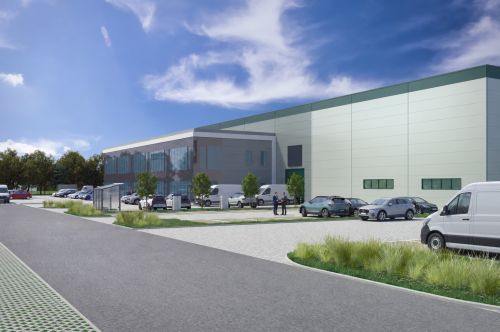
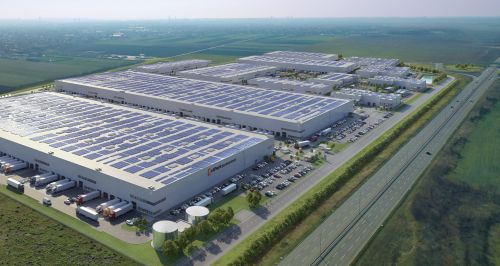
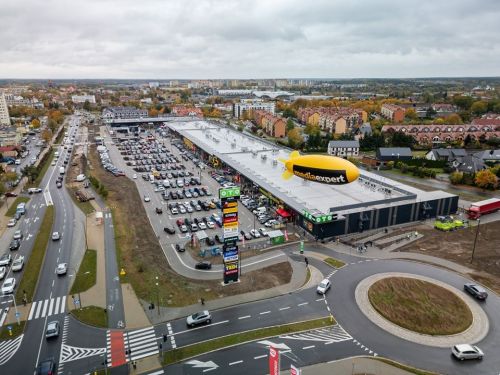
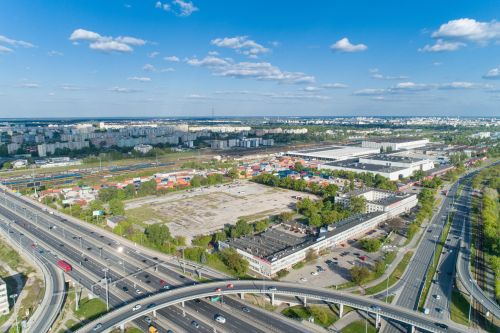
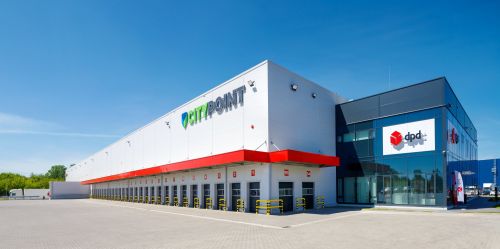
Urban warehouses are logistics facilities located within city boundaries, primarily used for the rapid distribution of goods to end customers. Unlike traditional large-scale warehouse centres, they offer smaller units tailored to the specific needs of urban deliveries and are a relatively new format in Poland. A strong, albeit short-lived, boost to their development came from the disruptions associated with the outbreak of the Covid-19 pandemic, when a large number of new online stores were established, while existing retailers saw record online orders. In April 2020, online transactions accounted for 11.9 pct of the total retail trade, compared to just 5.6 pct in February 2019. Although e-commerce is currently at 9-10 pct of all purchases, the demand for urban warehouses remains. According to JLL, the total area of warehouses located within the boundaries of the five largest cities comes to more than 4 mln sqm. However, not all of them serve urban markets. Warehouses that actually meet the needs of city logistics total less than 2 mln sqm, or around 5 pct of the total.
Major Tenant Groups
Urban warehouses are leased primarily by logistics operators and courier companies, for whom efficient last-mile deliveries is particularly important. Companies in the e-commerce, FMCG, and pharmaceutical sectors have similar needs, requiring quick access to their customers – retail stores and medical centres. Other significant tenant groups include industry distributors (e.g., power tools) serving customers in cities, and those trading in luxury and specialised goods. Consumer purchasing power (generally higher in large cities) and access to employees with rare skills, which are harder to find in rural locations, are important factors here.
Supply Characteristics
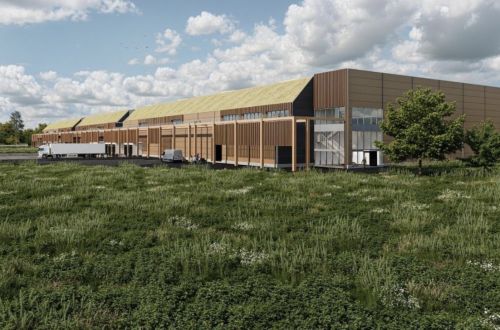
What does the urban warehouse market offer to the aforementioned tenants? It can be divided into three groups. The first are older buildings from a bygone era, whose main (and sometimes only) advantage is their location relatively close to the city centre. The second are renovated older warehouses. The third is new developments, designed from the outset with urban logistics in mind. Due to limited plot sizes, their area often is usually no more than 20,000 sqm, and the available SBU (Small Business Unit) units range from 500 to 1,500 sqm, although some even start at 300 sqm. Owners of typical large-scale warehouses outside city limits rarely agree to lease areas less than 3,000 sqm.
How else do urban warehouses differ from typical big-box warehouses?
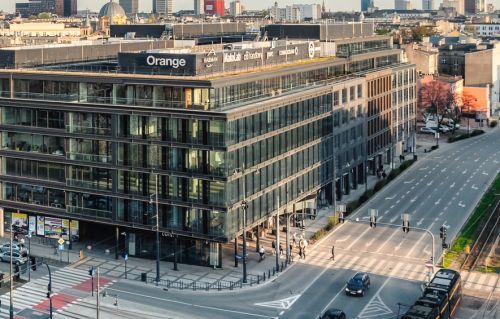
Urban warehouses typically have more unloading docks for smaller delivery vehicles, as truck traffic in cities is subject to numerous restrictions. Another important feature of urban warehouses is the availability of high-quality office space, as many companies operate from an office and warehouse in one location. This provides additional savings in lease costs compared to offices in city centres, while ensuring a similarly high standard.
Karol Gajewski, senior consultant, industrial agency, JLL
Furthermore, city logistics warehouse projects are increasingly designed to integrate seamlessly into the city. Placemaking and sustainable development are not limited to residential and office properties. Today's warehouses should prioritise the needs of their users and environmental sustainability. This is reflected in a growing number of amenities within warehouse parks. Publicly accessible areas, such as bicycle parking areas, electric vehicle charging stations, and green spaces, are emerging around collection points and showrooms.
Advantages and Disadvantages
What are the benefits of urban warehouses? Primarily, shortening the time and distance of delivery to the end customer. Another benefit is operational flexibility, meaning the ability to quickly respond to changes in demand, as well as supporting various delivery models (e.g., cargo bikes, vans, and sometimes even personal pickups) and multiple sales channels simultaneously (B2B + e-commerce + quick commerce, a model focused on express product delivery, typically within 15–60 minutes of ordering). Another significant advantage is access to qualified workers, who are essential for working with luxury or specialised goods. Locations relatively close to the city centre mean they can commute using public transportation.
However, urban warehouses offer more than just advantages. Tenants must also consider higher rental rates. For such facilities in Warsaw, they currently range from around EUR 5.5-8/sqm/month. For comparison, the cost of renting space outside the capital is EUR 4-5/sqm/month. For example, in Warsaw, the average size of new lease transactions since 2018 was approximately 2,400 sqm (in the city), compared to 6,600 sqm in suburban locations. Operating costs and utilities are also higher (higher wages, waste disposal costs, more expensive electricity, water, utilities, and heating). Traffic jams or, conversely, restrictions on truck traffic in cities can also be a nuisance. When deciding on a warehouse location, it's also worth considering the potential for expansion within the same facility – some logistics parks in cities may not offer such opportunities.
An interesting trend we've seen in recent years is the leasing of space in urban facilities to companies that don't operate warehouses there at all. These include all kinds of showrooms, playrooms, and indoor sports fields, such as the recently gaining popularity of padel.
Ewa Graff, senior consultant, Industrial Agency, JLL.
Susceptibility to changes in green law
The urban warehouse sector in Poland will continue to develop as a specialised segment of the logistics real estate market, meeting the needs of last-mile logistics, e-commerce, and industries requiring quick access to end customers and a skilled workforce. In the coming years, modern, flexible city logistics facilities, designed to integrate with the city, provide high-quality office space, and meet sustainability requirements, will become crucial. At the same time, due to higher lease and operating costs, limited expansion opportunities, and transportation restrictions, urban warehouses are not an optimal solution for companies operating large volumes and requiring intensive truck traffic. It is also worth noting that all kinds of legal changes related to the 'green deal' and environmental issues may significantly impact the urban warehouse sector.
Sustainability and environmental protection solutions implemented by local authorities and businesses themselves will likely cause some disruptions in existing supply chains. An increasing share of distribution will be handled by electric vehicles, which will further stimulate interest in small logistics facilities located in cities.
Ewa Graff
Introducing clean transport zones would force companies to reorganise their supply chains – either by investing in zero-emission vehicles or by creating urban warehouses on the outskirts of such zones, enabling eco-friendly distribution to the city centre.
Karol Gajewski
Urban warehouses will remain a niche segment in Poland, but a strategically important one. Their development will be determined by the growth of e-commerce and urban climate policies. Companies will face a choice between higher rents for urban locations and rising costs for transport from the outskirts and environmental restrictions. Companies that invest early in urban warehouses will gain a competitive advantage in serving demanding consumers – this is particularly true for e-commerce operators and courier companies, for whom speed of delivery is a key success factor. In the future, it may turn out that other companies will be forced to reorganise their distribution models – either by investing in electric vehicles or by creating their own city points.

A good foundation from which to grow
CBRE
Poland's role and the strength of its economy are increasingly visible in the European commercial real estate market. We have strengthened our leading position in Central and Easte ...
Zero-emission, zero-backup? The resilience gap in modern building standards
Independent Expert
As commercial buildings move rapidly toward full electrification, modern standards optimise for efficiency and emissions – but largely assume uninterrupted power supply. In C ...
Strong warehouse sector whilst capital cautious and offices yet to rebound
Newmark Polska
Poland’s commercial real estate market enters 2026 in good health and with solid growth potential. Warehouses remain one of the strongest sectors in Europe, while constrained ...