










A good foundation from which to grow

You are reading this content because it is covered by the free limit. Buy full access!

Poland's role and the strength of its economy are increasingly visible in the European commercial real estate market. We have strengthened our leading position in Central and Eastern Europe, and our image across Europe is steadily improving, creating favourable conditions for further investment. The outlook for the Polish commercial real estate market over the coming years is positive. Economic growth forecasts show that we are ahead of other countries in the region. Declining interest rates, lower inflation, and rising consumption also contribute to optimism. The war in Ukraine remains a question mark over the market's future. If things go well and the conflict ends, we will become a transfer country, which will give a boost to both the real estate market and the economy as a whole.

In terms of transaction volume, Poland closed 2025 with a figure approximately 10 pct lower than the previous year, reflecting fewer high-profile transactions. We have returned to pre-2024 levels. Polish investors have capitalised on the shortage of prime capital, increasingly investing in commercial real estate. A significant market event last year was the significant increase in the share of local capital in investment volume, which for the first time reached almost 20 pct. This occurred despite the lack of mechanisms supporting local assets, such as REITs. The strong activity among Polish investors bodes well for the market. Significant investments from the Czech Republic and Hungary are also positive, and we will see this continue into 2026.
The End of Office Downsizing
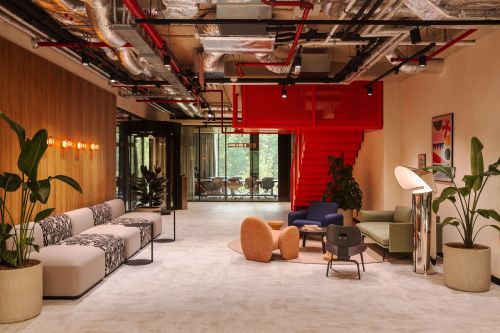
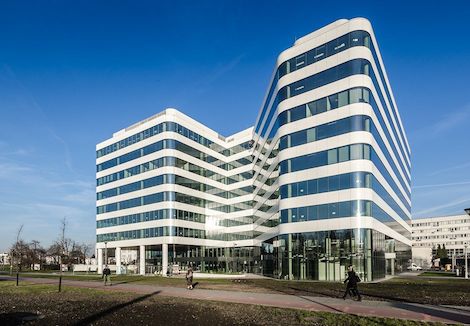
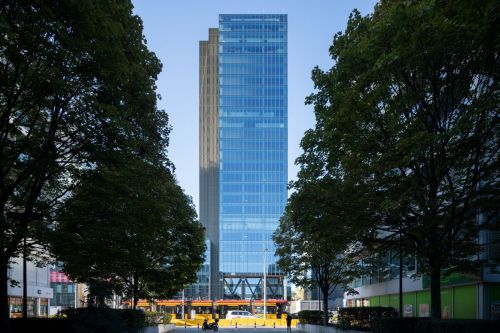
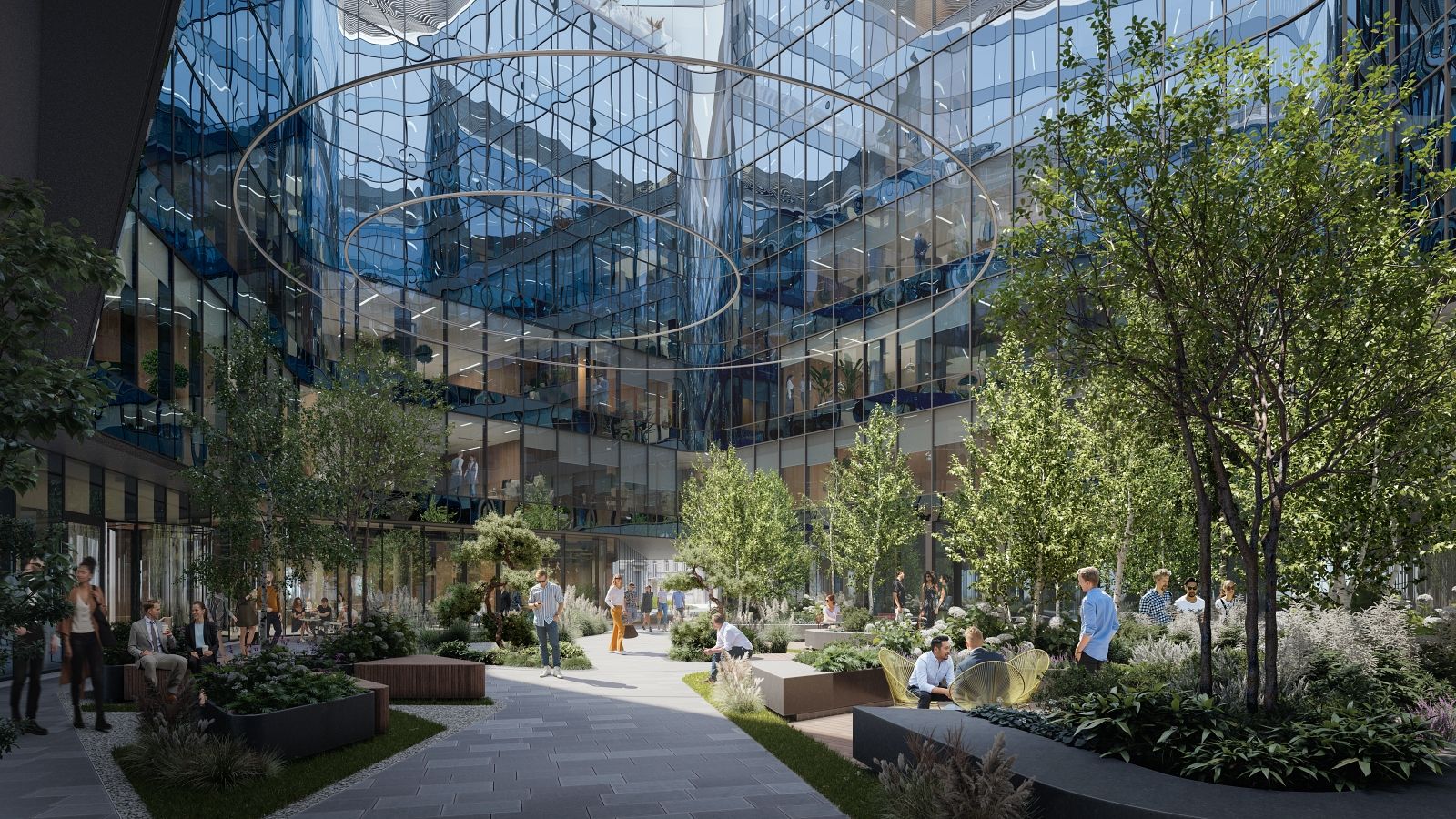
High demand from tenants is evident in the office market. Hybrid work is here to stay, but companies are no longer downsizing. There is already a shortage of offices in central, prime locations, and this situation will only worsen.
Developer activity remains severely limited – 2-3 new projects per year is now the new norm in Warsaw. With continued high demand, this has a real impact on the need to negotiate office leases in advance and also leads to an increase in rents. This prospect of further cost increases, along with the noticeably decreasing availability of space, is among the arguments convincing companies to make decisions more quickly.
These trends have been visible in Warsaw for some time, but we are already seeing that cities in the region are also following Warsaw's lead. With record-high demand, record-low developer activity, and a growing number of facilities earmarked for conversions in the region, we are seeing the first signs of shrinking availability in prime locations.
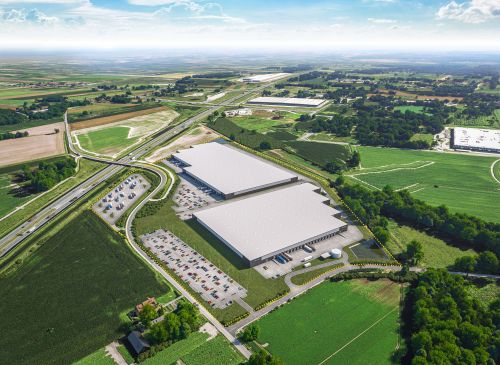
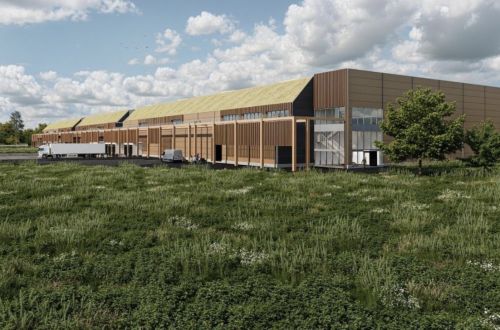
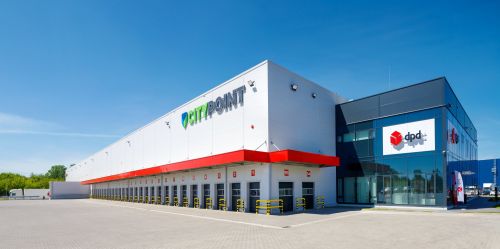
Warehouse capital is diversifying.
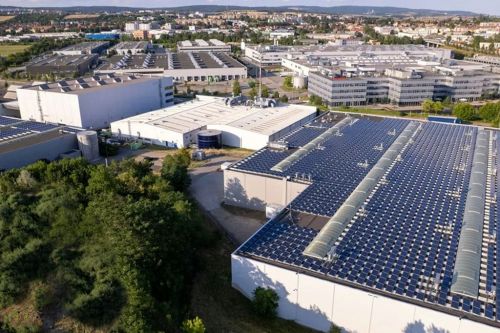
Demand for warehouse space remains high, with active negotiations and relocations primarily among companies already present in our market, but not exclusively. The sector is being significantly impacted by the war in Ukraine, the need to secure and streamline supply chains, and changes in customs duties.
Tenants from various parts of the world are emerging in Poland, seeking to establish a position while limiting the risks. Investment capital is increasingly diversifying, with companies investing from France and Canada.

Consolidation in Retail Parks
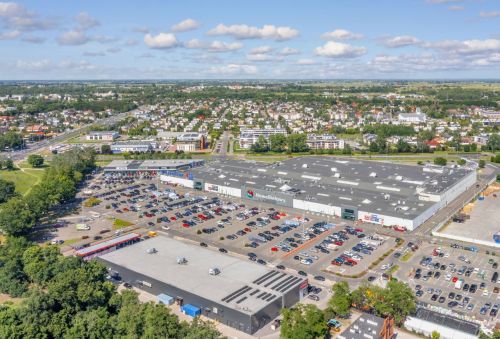
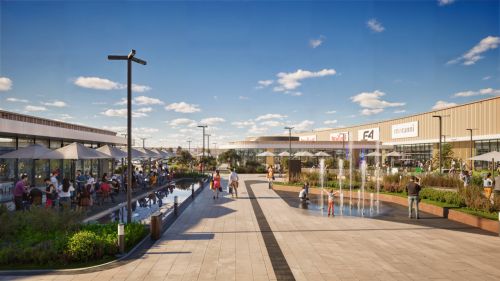
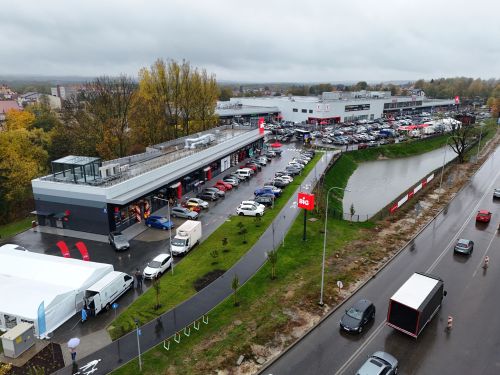
The retail sector in 2025 was dominated by retail parks, continuing to develop in smaller towns. Demand for shopping centres also remained strong, and we expect several transactions involving such facilities in 2026. We will also see more consolidation in the retail park market.
The dominant trend in retail is "experience retail." Not only are restaurant spaces in shopping centres developing, but also sports and entertainment spaces. The goal is to encourage customers to spend as much time as possible in them and to meet their growing demands. We will also see further modernisations of existing shopping centres.
Student and Senior Housing - New Investment Directions
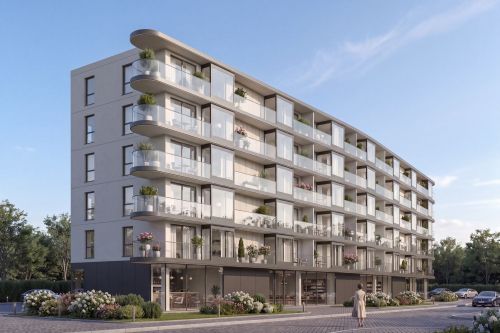
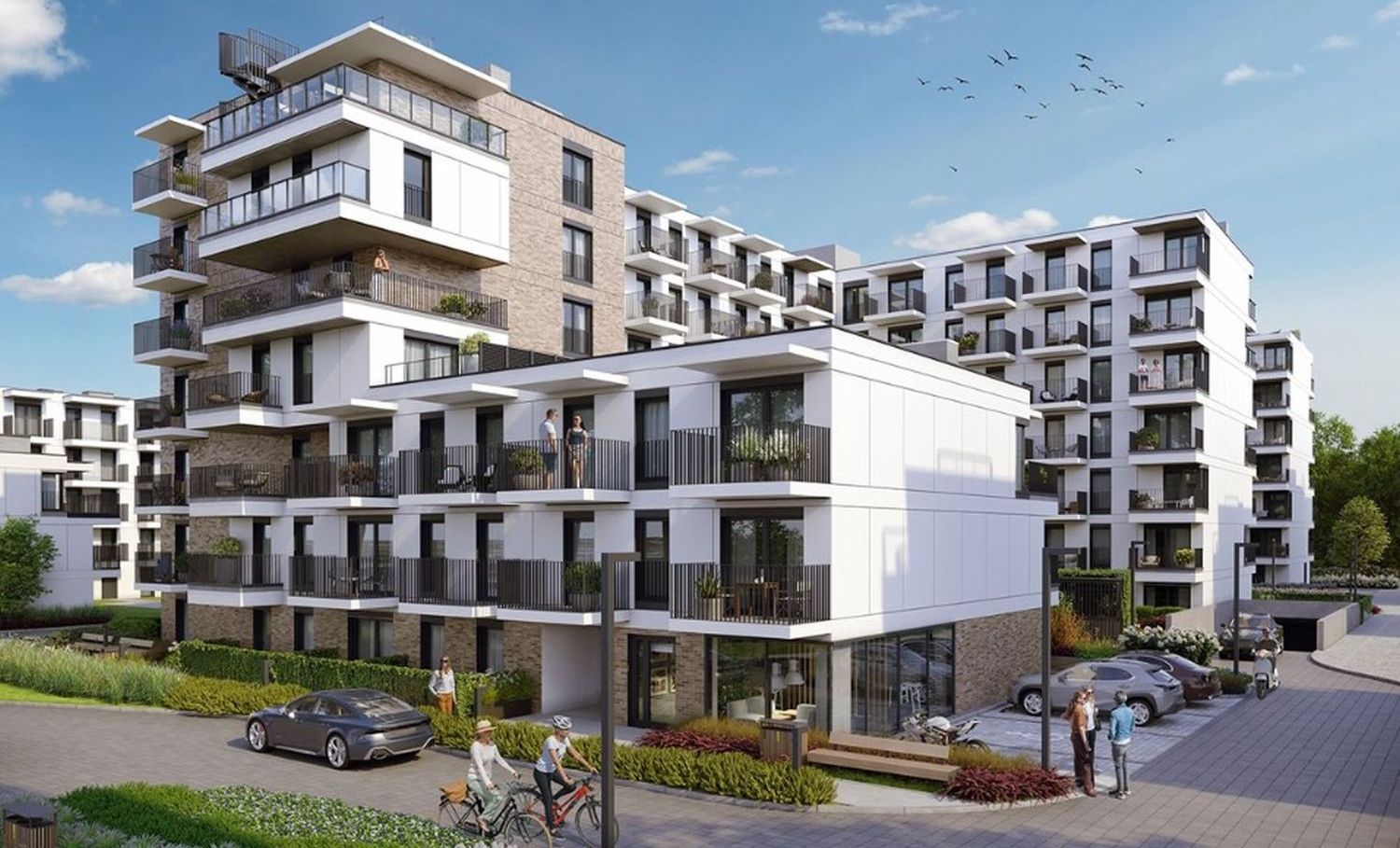
The residential sector in 2026 will respond to lower mortgage costs. Sales will grow, especially in the mid-price segment. A barrier to growth for the cheapest segment, where the needs are greatest, is the lack of supportive solutions for freehold housing. The luxury housing market is not as dependent on mortgage availability, and the choice of apartments in Poland's major cities is currently wide.

We are seeing investor appetite for student housing. The fundamentals for the development of this sector remain strong, and the supply of student housing is limited, which will lead to increasing investment activity in this sector.

Demand is also growing for ​​senior housing. This sector is much discussed in the industry. The market is currently dominated by small local players, and solutions tailored to the diverse needs of customers, including assisted living facilities, are lacking. However, investors are interested and have the resources to develop new senior housing projects. We expect rapid market growth over the next five years.

The data centre sector may surprise.

We are seeing significant investor interest in the data centres, and numerous negotiations are underway, but there are significant barriers to their finalisation. Key challenges remain the limited availability of well-prepared land and energy issues – both the high cost of electricity and the unfavourable energy mix. This has led some investors to choose other European markets, where energy is cheaper and more stable. Despite these limitations, Poland remains on the radar of data centre investors. Discussions are continuing, and it is possible that this market may yet surprise positively in the next few years.

Categories

Your order
Your data
Number of access accounts
Each account provides independent access on one device. You will be able to create additional access accounts in the account settings.
Invoicing data
Order summary
Net price
Access accounts #
Net order
VAT (%)
Gross order
Payment security is ensured

Don`t miss out the current edition