




Poland Bringing people together
Exclusive
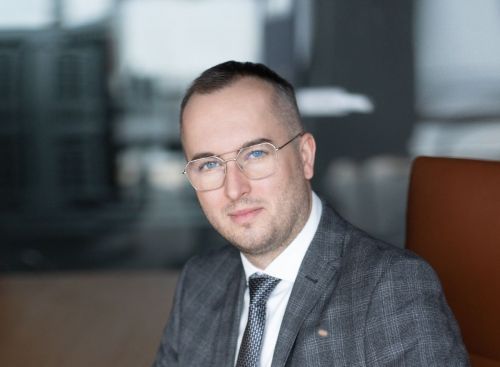
Could you tell us something of your sporting life?
My journey with sport began several years ago when I decided to try running, which at the time seemed extremely boring to me. At the beginning, it was difficult, very difficult, but I got hooked and started running regularly. During one conversation with a colleague from the real estate industry who was running marathons, I signed up for my first marathon almost overnight. This happened only several months after I first put on running shoes. Later came more half-marathons, marathons, and shorter distances. At that stage of my life, competition and personal achievements were strong motivators, and they taught me discipline, determination, and perseverance.
Over time, however, my perspective on sport has evolved. Today, physical activity is less about beating personal records and more about overall well-being, health, and enjoying the process itself, although I still glance at my watch to check pace and speed. I enjoy various forms of outdoor activity, especially running, cycling, and long walks. I believe these forms of activity, particularly when done alone, help reduce stress and maintain balance, although I sometimes enjoy them with my family as well.
What values does your love of sport bring to your business life?
My passion for sport has shaped at least several key values I bring into my professional life. Above all, it has taught me self-discipline, resiliency, and consistency. Training regularly - even on days when motivation is lacking or the weather is discouraging - demonstrates the importance of commitment and long-term thinking. Both in sport and in business, spectacular results rarely come immediately. They are the outcome of perseverance and systematic effort guided by a vision of the future.
Sport has also strengthened my mental resilience. Every challenge, setback, or difficult training session teaches you how to stay calm under pressure, adapt, and keep moving forward despite discomfort or temporary difficulties. In business, this mindset helps me approach demanding projects with persistence and a solution-oriented attitude rather than becoming discouraged by obstacles.
Consistency is another key value I carry into my work. Sport has taught me that lasting success does not result from one-off efforts, but from regularity, focus, and trust in the process. Sport also shows how important elements such as warm-ups, planning or stretching are. In many ways, this is similar to project work, where planning, reviews, lessons learned, and celebrating success are equally important stages of the process. Additionally, sport develops self-awareness, time management, and the ability to balance ambition with recovery, which is essential for long-term effectiveness both at work and in life.
How does sport impact the culture of Gleeds?
Sport has a very positive impact on the culture of Gleeds because it brings people together around a shared goal that goes beyond work itself.
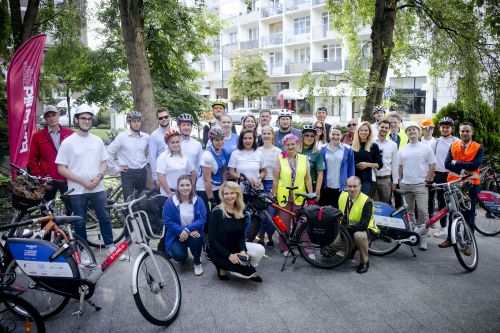
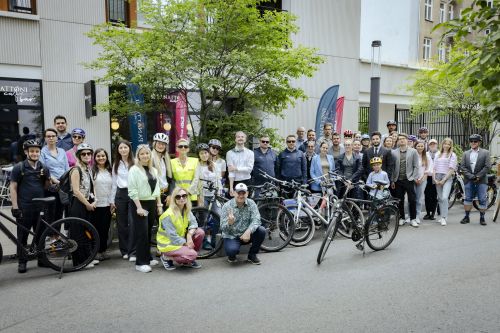
One of our biggest initiatives is a challenge called “We Run, We Ride, We Help.” which I initiated a few years ago. This year, three-person teams are collecting kilometres by running, walking, and cycling from the first day of spring until November. We monitor progress on a weekly basis. At the end, we calculate the funds raised, announce the results, and the top three teams earn the right to select charitable organisations to receive financial support, with the company making the donations.
This is already the fourth year of this initiative, and over the years we have supported organisations helping people facing mental health challenges, people with cancer, animals in need, and many other important causes. We also encourage our employees to take part in charity sports events by sponsoring their race entries for charity runs.
I believe these activities strengthen team spirit, motivate people to stay active, and create a culture where sport is connected with collaboration, well-being, and helping others.
Can you tell us anything about Gleeds plans over the coming year?
Over the coming year, the company plans to continue strengthening its position in the key sectors of the commercial market and increase our presence in data centres or infrastructure projects. We also aim to be involved in projects that help create modern urban districts and meaningful spaces that are important for local communities.
At the same time, we want to continue developing a strong internal culture based on collaboration, well-being, and engagement. One of the ways we do this is through sport and physical activity. We plan to further promote sport as a form of team building, encourage employees to stay active, and create more opportunities for people to participate together in sports initiatives and events.
An important part of this approach is also combining sport with charity activities. We believe that physical activity can connect people around a shared purpose and create a positive impact both inside and outside the company.
What are your predictions as to how the market will change over the near and longer term?
In both the near and longer term, I believe the Polish real estate and construction market will continue to evolve toward infrastructure, logistics, digital infrastructure, and large mixed-use urban developments.
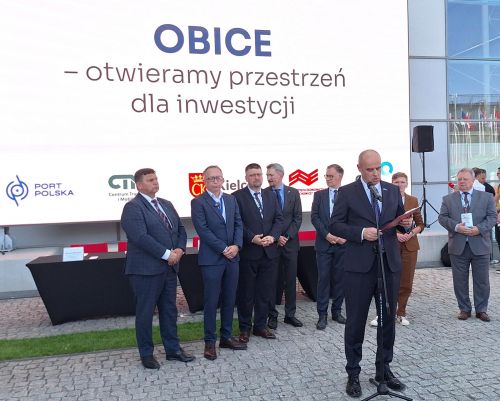
One of the key drivers will be major national infrastructure investment projects connected with CPK / Port Polska, including rail, airport, and transport infrastructure. These projects are likely to stimulate not only the construction sector itself, but also surrounding commercial, residential, and logistics developments across different regions of Poland.
I also expect the data centre sector to grow. With a reasonable energy strategy, Poland could become an important digital infrastructure hub in Central and Eastern Europe, driven by cloud computing, AI development, and growing demand for secure data storage.
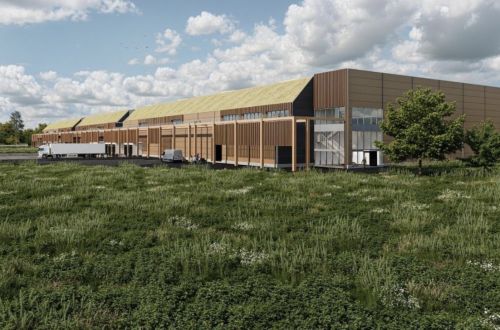
The logistics sector should remain strong too, supported by Poland’s strategic location, e-commerce growth, and continuing supply chain transformation across Europe. Even though the market is becoming more selective, demand for modern warehouse and industrial space remains stable.
In the residential sector, I think the PRS will continue to develop, especially in larger cities.
Overall, I believe the market will increasingly focus not only on building more, but on creating sustainable, well-connected, and community-oriented spaces that respond to long-term social and technological changes.

Sales up, supply down
JLL Polska
In the first quarter of 2026, the Polish housing market recorded a significant increase in sales. A total of 12,900 apartments were sold across the country's seven largest cities ( ...
Rent isn't everything. The real costs of leasing warehouse space
Newmark Polska
Choosing a new warehouse takes much more than simply comparing rental rates across a few or even a dozen centres. With rising energy costs and varying technical standards, the actu ...
A good foundation from which to grow
CBRE
Poland's role and the strength of its economy are increasingly visible in the European commercial real estate market. We have strengthened our leading position in Central and Easte ...