








Poland What is driving the spate of lease renewals
Exclusive
We are seeing that tenants are more often than before forgoing relocations and focusing on negotiations with their current landlords. What is driving the rise of lease renewals?
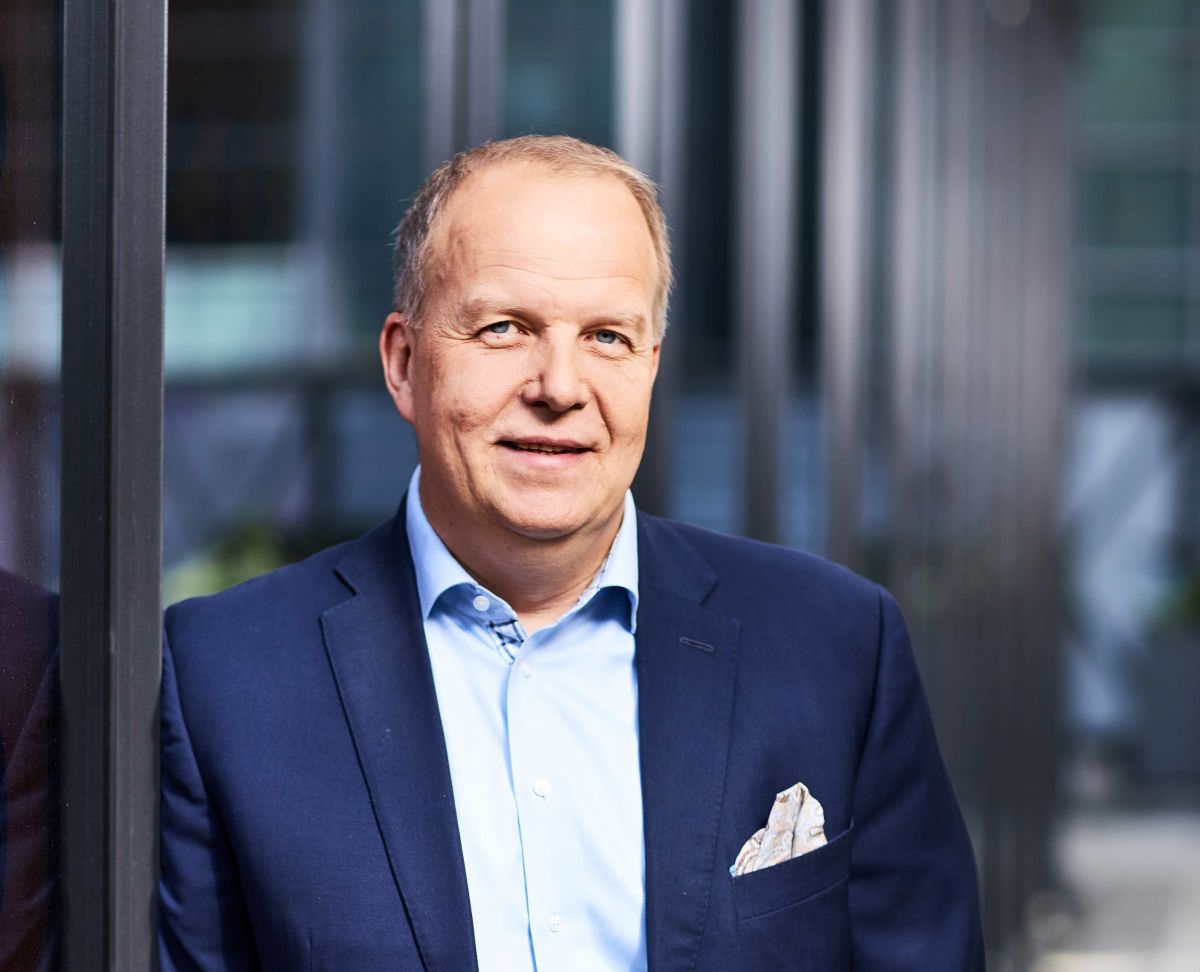
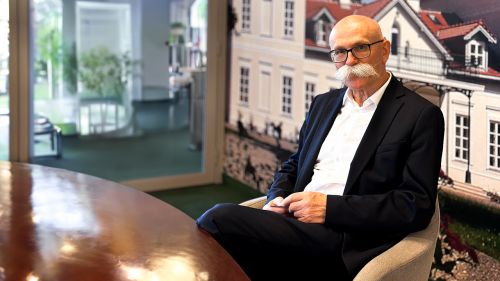
Marek Ciunowicz: In recent years, the costs of office fit-outs and modernisations have risen significantly – not only due to more expensive materials and labour, but also to the increasingly advanced technical standards that modern commercial spaces must meet. Relocation is no longer a simple change of address; it is a project requiring significant financial outlays and a longer transition time. At the same time, in the most desirable areas, with Warsaw city centre being at the forefront, the availability of modern space remains limited. While we're not talking about a lack of supply, attractive offices are quickly finding new tenants, and the selection is often much narrower than it was just a few years ago. In such a situation, many companies have concluded that it's more profitable—and less risky—to modify the terms of their current lease rather than search for a location that meets all their expectations.
Which elements of lease agreements are most often renegotiated today? Do negotiations primarily boil down to cutting costs?
MC: Of course, one of the first and most sensitive areas of negotiation remains the financial terms—naturally, as they determine the tenant's basic operating costs. In many cases, reducing lease costs upon lease extension allows a company to free up funds that can be allocated to future investments such as product development, digitalisation, team expansion, or innovation. This translates not only into greater financial liquidity but also a stronger competitive position and increased credibility with partners and investors. Negotiating the rent that the office lease covers is a fundamental element. Periodic rent waivers are also possible, for example, at the start of the lease. The parties also discuss financial contributions for equipment, remodelling, or refurbishing the space to suit the company's needs. The contract term is also negotiated, for example, extending the contract in exchange for better lease terms. It is also possible to change the square meterage during the contract term.
Leases, however, are not just about costs – location and amenities are also important. Therefore, non-financial factors are considered. These include proximity to public transportation, highways, parking, the location of the office building, and whether the location aligns with the company's business strategy. Building amenities – relaxation areas, cafes, gyms, bicycle storage – are also important, as are its surroundings, including access to restaurants, stores, banks, and medical facilities. Environmental concerns and sustainability are becoming increasingly important. Choosing the ideal location is a key element of a company's strategy. Therefore, it's worth considering whether the office meets all these criteria.
What about energy efficiency? Do operating costs influence lease agreements and tenant decisions?
MC: Indeed, aspects related to energy efficiency and sustainable building use are considered key criteria when choosing office space. Rising electricity costs – borne directly by tenants – are forcing companies to more carefully consider the buildings they occupy and the provisions included in their contracts. Therefore, more and more contracts include so-called green clauses, enabling the use of solutions that improve energy efficiency. We're talking about both access to energy from renewable sources and technologies that actually reduce electricity consumption: intelligent energy management systems, low-consumption lighting, modern HVAC systems, and high-quality insulation.
Certifications confirming the energy and environmental standards of buildings are gaining in importance. A high rating in such systems signals that the building uses technologies that reduce emissions and energy consumption, which in practice translates into lower operating costs. The difference between a poorly efficient building and a class A office building can translate into savings of several per cent on utility bills. Tenants are increasingly looking at certificates for indoor environmental quality, which include air quality, acoustics, lighting, and overall user comfort. Many modern buildings come with mobile apps that simplify access to services, expanded common areas, and green roofs.
Do renegotiations favour the tenant, or can they be viewed today as a tool that benefits both parties to a lease agreement?
MC: Renegotiations certainly don't place the parties in a "win-lose" situation. Today, they're more of a process of finding common ground between the tenant's needs and the landlord's goals and expenses. Tenants, analysing their financial capabilities, recruitment plans, and organisational changes, strive to adapt their office to the current company strategy. For some, this means a desire for a longer contract in a higher-standard building, while for others, it means a need for greater flexibility, such as a shorter lease term or the ability to change the square meterage. For the landlord, project stability and maintaining the building's value are key. Office properties operate within strictly defined financing rules, and banks and investment institutions expect predictable cash flows. Therefore, landlords strive to maintain contracts within ranges that are not only market-acceptable but also allow them to properly manage and invest in the building.
It's worth noting that in recent years, negotiations have become increasingly data-driven: utility consumption, the building's energy efficiency, the quality of the working environment, and the technological potential of the centre are analysed. When both parties understand their needs, the result is a solution that delivers real value to everyone: the tenant receives an office tailored to their business, the landlord gains a stable partner for years to come, and the entire office market operates in a healthier, more predictable system. A well-managed renegotiation can be the foundation of a lasting, trust-based relationship – and this is one of the most valuable things in business today.
Looking at current trends, what elements could most significantly change the way renegotiations are conducted in the coming years? What do you think tenants and landlords should expect?
MC: In the coming years, I expect hard data and analysis to become even more important in determining lease terms. I think the further professionalisation of relationships between the parties will also play a significant role. Renegotiations will be conducted increasingly faster, more efficiently, and more transparently because the market demands efficiency, and both parties want to avoid downtime. In the long run, the winners will be those projects that can combine financial predictability with flexibility, and this is the best definition of a healthy market.

The end of greenwashing as flex grows in strength
Walter Herz
The office sector is entering a period of deeper qualitative and financial scrutiny. Decisions regarding new projects, refurbishments, or leasing are now supported by more thorough ...
The quiet revolution in Małopolska
Axi Immo
Developers across the region are increasingly favouring heat pumps and photovoltaic systems over traditional gas boilers in warehouse construction. This shift marks a growing commi ...
Modular construction becomes more prominent
Spectis
After a temporary slowdown, the modular construction market in Poland continues to expand in 2025. Although the sector faces challenges such as high material costs and investment f ...