



















The quiet revolution in Małopolska
schedule 11 December 2025


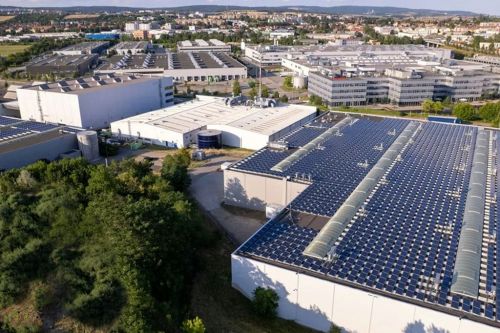
Developers across the region are increasingly favouring heat pumps and photovoltaic systems over traditional gas boilers in warehouse construction. This shift marks a growing commitment to renewable energy solutions, with investors recognising the dual benefits of environmental responsibility and long-term cost efficiency.
The warehouse sector in Małopolska is undergoing a significant energy transition. Just a few years ago, centres heated using ambient energy were a rarity. Today, however, they are emerging as a viable alternative to conventional gas boilers. Heat pumps, supported by photovoltaic systems and energy management technologies, are increasingly setting the standard in modern logistics parks.
Although the Małopolska region — with approximately 1.19 mln sqm of modern warehouse stock — does not match the overall scale of Mazovia (7.19 mln sqm) or Silesia (6.15 mln sqm), developers operating in and around Kraków are increasingly integrating “no-gas-ready
Already have an account? Log in
75% of content remaining
Unlock full access to the article
PLN
EUR




Lifetime access to current material
One-time payment, lifetime access.
Choose
Access includes
- Lifetime access to current material
Most popular
EurobuildCEE magazine & online subscription
Access to all EurobuildCEE materials
Monthly
Annually
You save 17% when paying annually
Monthly on one device. Annual payment
Monthly on one device. Monthly payment
Choose
Access includes
- Access to EurobuildCEE magazine edition online & flipbook version
- Exclusive news, comments, articles and interviews with the most important market representatives and experts
- Archive containing data and information from the commercial real estate and construction market in Poland and the CEE region, collected over 27 years;
- Eurojobs
- Eurobuild FM









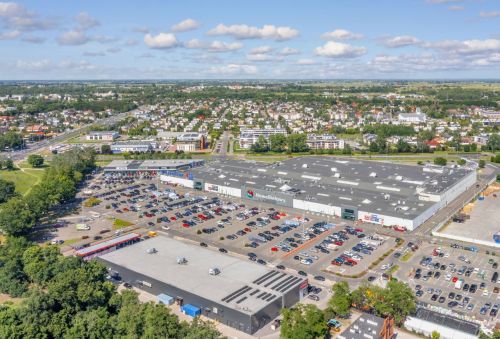










Who will win and who will lose with changes to the land market
Who will win and who will lose with changes to the land market
The biggest change to the land market in years is on the horizon. The spatial planning reform will mean that plots previously considered attractive may lose value, while land with ...
Walter Herz
Sales up, supply down
Sales up, supply down
In the first quarter of 2026, the Polish housing market recorded a significant increase in sales. A total of 12,900 apartments were sold across the country's seven largest cities ( ...
JLL Polska
Rent isn't everything. The real costs of leasing warehouse space
Rent isn't everything. The real costs of leasing warehouse space
Choosing a new warehouse takes much more than simply comparing rental rates across a few or even a dozen centres. With rising energy costs and varying technical standards, the actu ...
Newmark Polska