















Strong warehouse sector whilst capital cautious and offices yet to rebound
Newmark Polska
Poland’s commercial real estate market enters 2026 in good health and with solid growth potential. Warehouses remain one of the strongest sectors in Europe, while constrained office supply is paving the way for a recovery in development activity. Additionally, despite increased caution, developers continue to show confidence in Poland.
Over the past year or so, Poland has continued to strengthen its position within the European economy. Exceeding USD 1 tln in GDP and entering the ranks of the world’s most industrialised economies represent not only a symbolic milestone but also clear evidence of the country’s successful transformation over the past decade. Today, Poland is no longer a developing market, but one actively co-creating the region’s direction of travel. While Poland’s geopolitical location remains under close scrutiny, investors and entrepreneurs also appreciate the country’s regulatory stability, high-quality infrastructure and pool of highly skilled specialists.
Industrial market: The Big Six still reign
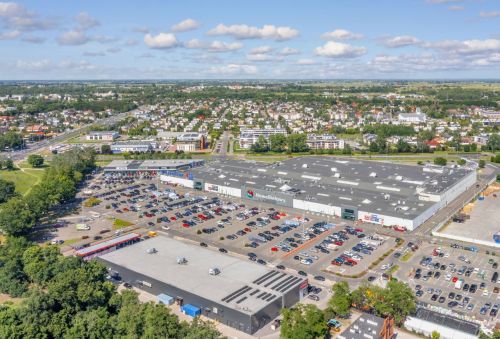
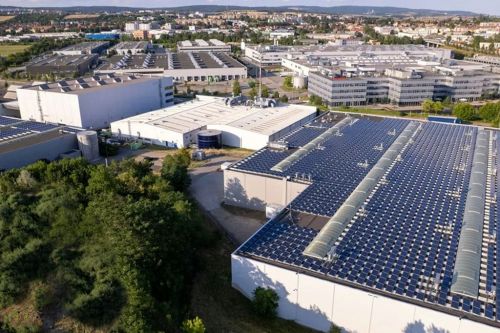
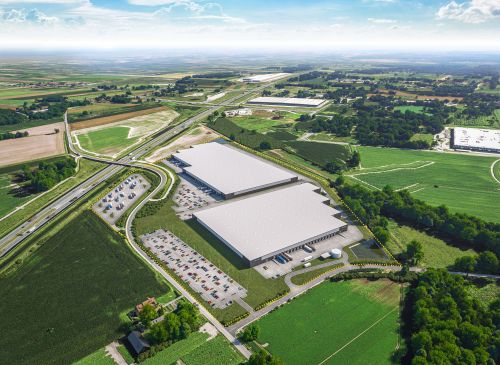
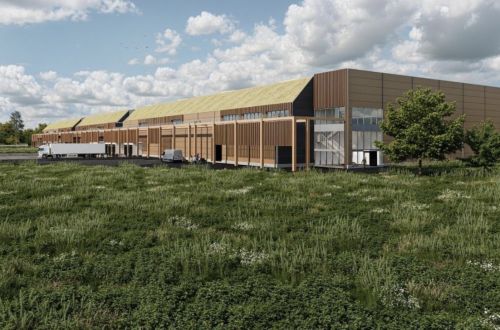
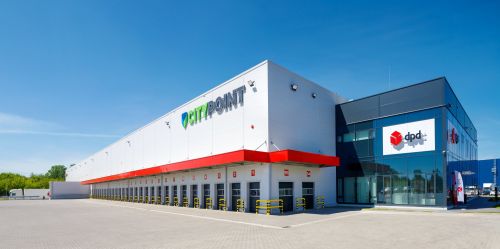
Poland’s industrial sector remains a key segment of the commercial property market, continuing to attract international investors. Developers maintained a steady pace of construction activity last year, bringing total industrial stock to approximately 37 million sqm by the end of 2025. What’s more, given the current development pipeline, analysts at Newmark Polska expect to see another 2 million sqm of new warehouse space delivered to the market this year.
Most production and warehouse facilities were once again developed in Mazovia, Pomerania, Upper Silesia and Lower Silesia, as well as – albeit to a lesser extent – in Łódzkie and Greater Poland. Together, these provinces accounted for over 80 per cent of new supply.
The dominance of these regions stems not only from their favourable locations and robust transport and logistics infrastructure, but also from the availability of skilled labour. Together, the key warehouse hubs offer a comprehensive and diverse proposition, ranging from sites near major airports to access to seaports and proximity to the western border and industrial clusters. As a result, companies with varied operational needs can find locations precisely tailored to their business operations, further strengthening the overall stability of the market.
Warehouse demand remains steady amid fewer relocations
Warehouse tenants showed increased caution last year, leading to a shift in the structure of take-up towards renegotiations, which accounted for more than 50 per cent of all deals. Companies assessed the locations and standards of new facilities more carefully to ensure that relocation would genuinely improve operational efficiency. Some tenants, whose businesses do not require advanced solutions, chose to remain in older, less modern warehouses that continued to meet their needs. Another factor behind lease extensions was concern about losing some staff as a result of relocation.
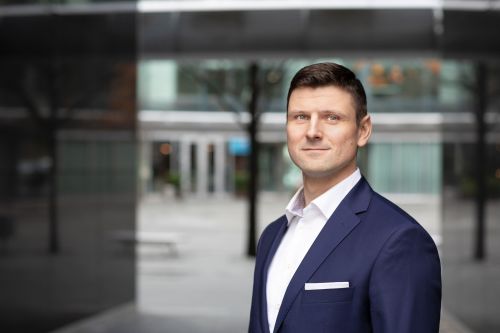
Despite the increase in renegotiations, the Managing Partner at Newmark Polska assures that the underlying market fundamentals remain strong. Driven by the expansion of e-commerce and last-mile logistics, as well as ongoing upgrades to road, rail and seaport infrastructure, total estimated take-up reached approximately 6 million sqm last year, broadly in line with the 2024 figure. Demand for warehouse space is expected to grow steadily this year. Having developable land, developers are well positioned to respond relatively quickly to rising requirements, helping maintain supply liquidity.
The fight for large, modern offices continues
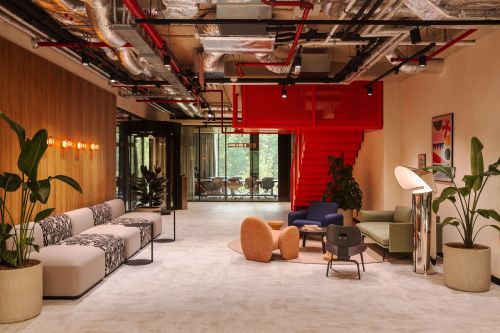
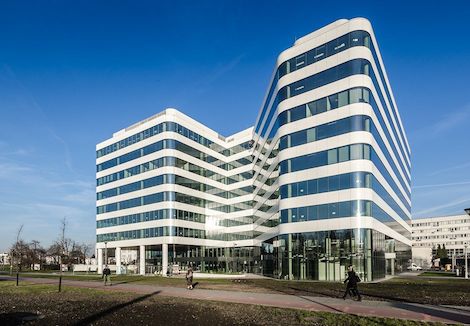
The office market has undergone one of its most significant transformations in recent years. Technology has given companies unprecedented flexibility, yet the office remains a place where organisations build culture and tangibly strengthen their competitive advantage. This dual dynamic has strongly influenced tenant decision-making, with occupiers increasingly recognising the long-term value of offices in terms of location, technical quality and amenities. Meanwhile, the limited supply of the most sought-after, large and modern office units in top-tier locations is forcing many companies to rethink their strategies.
2025 saw a historic decline in office stock. The withdrawal of obsolete buildings outpaced supply growth. Why? Tenants expect high quality, but some office projects delivered two or three decades ago no longer meet today’s technological or environmental standards. As a result, owners are increasingly choosing to refurbish office buildings that are being temporarily taken out of use or fully repurposed, further widening the office supply gap.
In Warsaw and regions
At the same time – especially in Warsaw – the absorption capacity increasingly varies across city zones. While every square metre of modern office space in well-connected central locations is snapped up immediately, vacant units can still be found on the outskirts – though they require closer scrutiny in terms of quality, transport links and nearby amenities.
High vacancy rates in regional cities may suggest stronger negotiating power for tenants. “Vacant stock, however, is widely dispersed and often falls short of companies’ quality expectations, particularly for those seeking premium standards. This is especially true for larger office units as firms looking for offices over 5,000 sqm have practically no viable alternatives. Construction activity in regional cities is almost dormant, so even in areas with theoretically high office availability, the actual choice remains limited. As a result, many companies that need large, ESG-compliant spaces in well-connected locations have no choice but to stay put. This trend is also confirmed by figures: the share of renegotiations in total take-up in Poland’s key office markets remained high last year, at approx. 50 per cent,” explains Piotr Kaszyński.
Older and newer: A two-speed market
Meanwhile, rising office construction costs are clashing with the defensive strategies of many funds and their expectations of high returns. Capital is targeting primarily safe havens rather than pursuing aggressive acquisitions. In practice, this means longer asset holding periods for owners and greater selectivity when launching new projects – only in locations with the highest commercial potential. With this operating model in place, the availability of high-quality space is expected to decline steadily over the coming years, and tenants will need to plan their decisions further in advance and with greater determination than before.
The lie of the land won’t change in 2026. New office supply will remain insufficient, with total stock already reduced to approximately 13 million sqm. Large tenants will continue to compete for the scarce options still available. Office availability will shrink in top-tier buildings and increase in older ones, further underscoring the market’s bifurcation. Lease renegotiations will continue to account for a significant proportion of take-up. For tenants, this means they will need to develop strategies earlier and make decisions more quickly.
Cautious fact-based optimism
Poland’s commercial real estate market ended 2025 in good health, with a clear direction of travel. The industrial sector maintained strong momentum and is now poised for another wave of demand driven by e-commerce, manufacturing, and supply chain relocations. Meanwhile, supply constraints in the office market have opened up opportunities for a rebound in development activity, with companies showing an increasing willingness to plan growth in prime locations. At the same time, despite being more selective, investors view Poland as a stable and scalable market, which is likely to attract more capital again in 2026. There are many encouraging signs that 2026 will bring a gradual recovery underpinned by stable fundamentals, rather than rapid growth.
Strong warehouse sector whilst capital cautious and offices yet to rebound
Poland’s commercial real estate market enters 2026 in good health and with solid growth potential. Warehouses remain one of the strongest sectors in Europe, while constrained ...
Newmark Polska
The end of greenwashing as flex grows in strength
The office sector is entering a period of deeper qualitative and financial scrutiny. Decisions regarding new projects, refurbishments, or leasing are now supported by more thorough ...
Walter Herz
The quiet revolution in Małopolska
Developers across the region are increasingly favouring heat pumps and photovoltaic systems over traditional gas boilers in warehouse construction. This shift marks a growing commi ...
Axi Immo