







Poland Just four construction permits issued
Office & mixed-use development
The high saturation of modern office space translates into a cautious approach by developers and a focus on projects with the highest commercial potential. At the end of 2025, the total stock of modern office space in the capital reached 6,232,400 sqm, a slight decrease of 1 pct year-on-year. This reduction was due to the deliberate demolition of older buildings and temporary exclusions from leasing due to preparations for further adaptations or thorough modernisations.
The number of administrative decisions has remained at a similarly low level for several years. Construction permits are being issued in central districts, primarily in Wola and Śródmieście, while in some outlying districts, not a single permit for office building construction has been recorded in recent years. Last year, a total of four building permits were issued, two more than the previous year. Although the scale of the permits remains limited, the total usable area of projects with permits increased by 157% year-on-year to 180,000 sqm. This was primarily due to large investments such as Warsaw One and AFI Tower.
The capital's office market has reached a stage of maturity, which naturally limits the pace of new development. The quality of existing space and its ability to meet tenant needs are becoming more important today. The lower number of new permits reflects a more selective approach by investors, who are choosing projects with the highest market potential. In the coming years, new investments will be implemented primarily in areas where there is real demand. As a result, the direction of market development will be determined by the standard and functionality of the properties, not their scale.
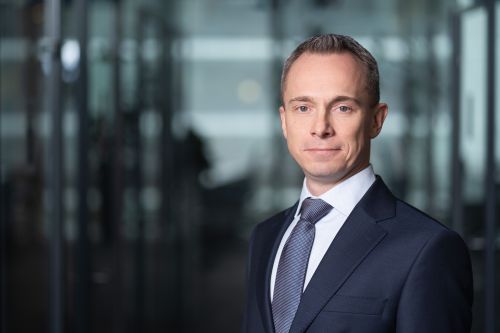
Dominik Stojek, partner in the advisory department and leader of Deloitte's real estate group
Selective Investments and Concentration in the City Centre
Developer activity remained limited in 2025, primarily due to uncertainty on the demand side, particularly in the context of tenants' long-term decisions and existing vacancy. New supply amounted to just over 80,000 sqm, approximately 15% less than a year earlier. Projects completed demonstrate that the market is primarily seeing high-standard investments in convenient locations and meeting ESG requirements. According to forecasts, the situation will gradually improve, and by 2028, supply will increase by approximately 290,000 sqm.
The scale of ongoing investments remains moderate. At the end of the fourth quarter of last year, approximately 180,000 sqm were under construction. Office space is down 22% year-on-year, with this pool including both new buildings and those undergoing renovations. Over 85% of the space under construction is being built in Warsaw city center, allowing for faster tenant acquisition and reduced investment risk. The largest projects underway are Upper One (35,500 sqm) and AFI Tower (54,000 sqm), the construction of which began in late 2025. The structure of the stock remains essentially unchanged – the largest concentration of office space remains in Wola (1,727,000 sqm), followed by Mokotów (1,457,000 sqm), and Śródmieście (1,336,000 sqm).
Modernisations and Repurposing
With limited new supply, the modernisation, repositioning, and repurposing of existing buildings is becoming increasingly important. In 2025, over 140,000 sqm of office space was decommissioned. Most of these buildings, constructed before 2000, were highly energy-intensive and had limited adaptability. Some are being prepared for conversion or undergoing extensive modernisation, while others were deemed uneconomical to continue operating and were designated for demolition.
The administrative decisions included the demolition of the Syriusz, Orion, and Saturn buildings in Mokotów, the Megadex building at 63 Mickiewicza Street, the buildings at 88 Jagiellońska Street, and the Intraco skyscraper at Bonifraterska Street. In the case of Intraco, the process of designating the building as a historical monument halted demolition work. An application for demolition of the above-ground portion of the building at 4 Konstruktorska Street has also been submitted, and the office building at 27/31 Gdańska Street will be withdrawn from the market.
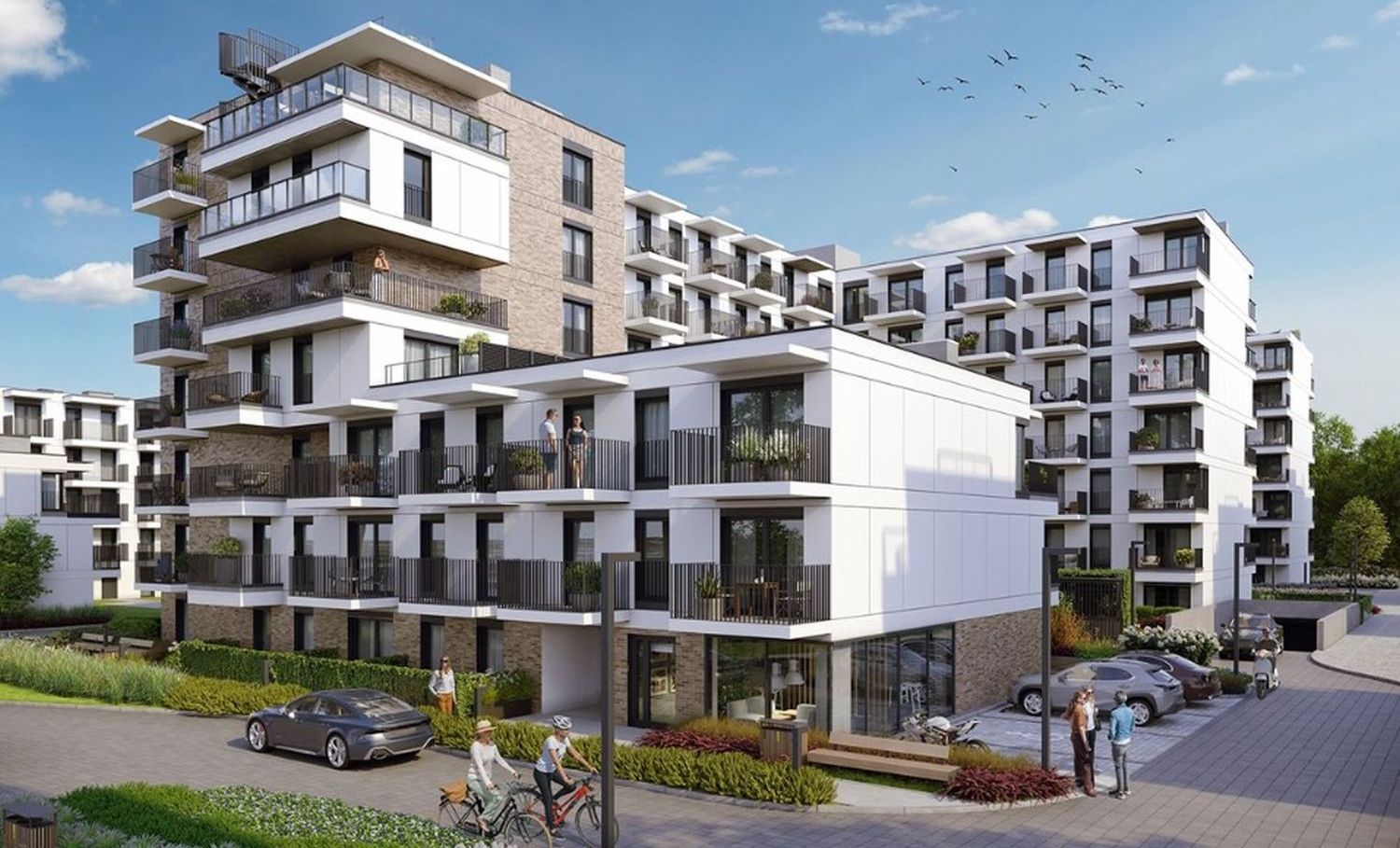
Projects that meet current ESG and well-being standards continue to be rewarded, and investment decisions focus on improving the quality and long-term efficiency of the assets. In the case of some older buildings, the scale of expenditure necessary to maintain competitiveness is sometimes disproportionate to the possible revenues, which is why investors are increasingly considering alternative scenarios, including converting offices to residential use. At least three decisions on this matter were issued last year.
Dominik Stojek

Strong warehouse sector whilst capital cautious and offices yet to rebound
Newmark Polska
Poland’s commercial real estate market enters 2026 in good health and with solid growth potential. Warehouses remain one of the strongest sectors in Europe, while constrained ...
The end of greenwashing as flex grows in strength
Walter Herz
The office sector is entering a period of deeper qualitative and financial scrutiny. Decisions regarding new projects, refurbishments, or leasing are now supported by more thorough ...
The quiet revolution in Małopolska
Axi Immo
Developers across the region are increasingly favouring heat pumps and photovoltaic systems over traditional gas boilers in warehouse construction. This shift marks a growing commi ...