












Poland Investment returns
Investment & finance
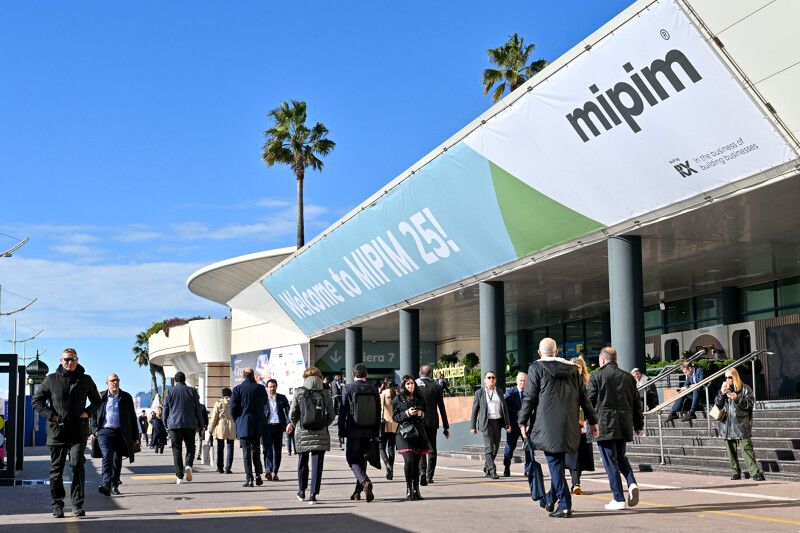
After several years of significant uncertainty, investors are beginning to revisit the European real estate market. One of the most noticeable trends visible this year at MIPIM was the growing activity of Asian companies, including the Chinese developing logistics support for their operations in Europe. At the same time, the return of capital to the market does not mean a return to old investment patterns – investors are now making decisions much more cautiously, more carefully analysing the risks and stability of individual markets.

Compared to last year, there is significantly more discussion about specific projects and potential transactions. The gap between seller and buyer expectations is much smaller than a year ago, with concrete offers being submitted and portfolio deals also emerging. This signals that some investors are ready to actively participate in the market again. At the same time, capital remains very selective and much more risk-sensitive than just a few years ago.
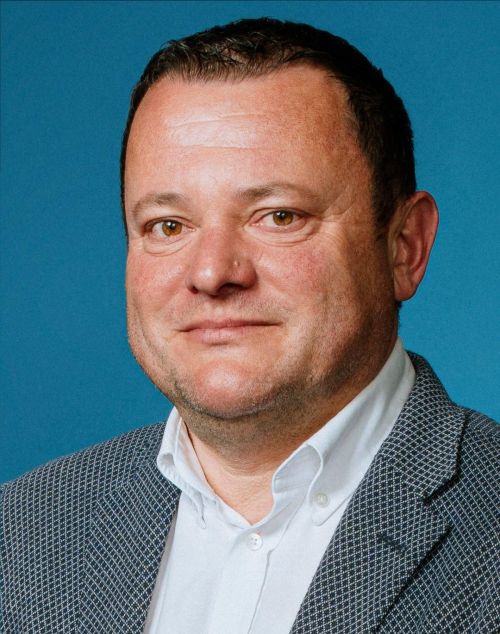
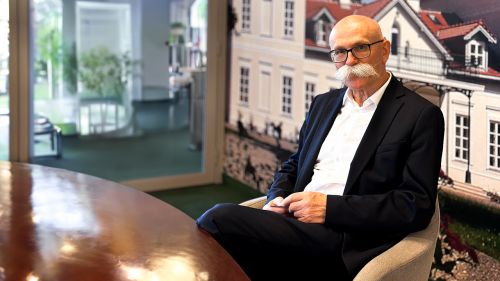
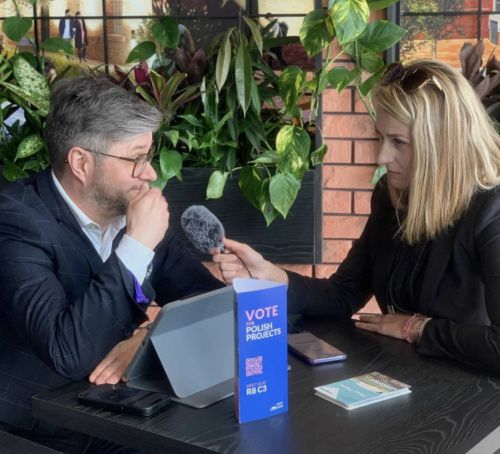
Joanna Sinkiewicz, managing director of Accolade in Poland
Investment activity today is primarily focused on companies that are already present in Central and Eastern Europe or have a deep understanding of the region. Among the most active investors at this year's MIPIM were investors from the Czech Republic, France, and the United States. The first signs of renewed interest from German investors are also emerging.
This is not yet the time for a large wave of completely new players to enter the market. The most active institutions today are those that have previously invested in the region and are better able to assess both its potential and risks.
Joanna Sinkiewicz
Asian expansion is increasing demand for logistics space
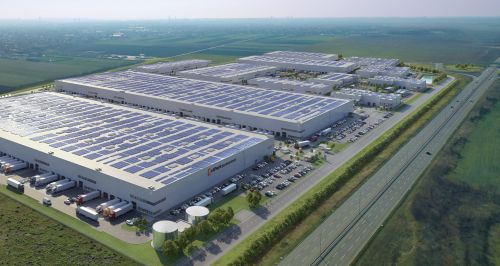
One of the most prominent topics of discussion at MIPIM was the growing presence of Asian companies in the European logistics market. This applies primarily to large e-commerce companies and logistics operators that are building their own distribution facilities in Europe.
We are seeing increasing interest in the region from Asian companies. In many cases, these are very large-scale projects – often measuring hundreds of thousands of square meters of warehouse space.
Joanna Sinkiewicz
This trend is also evident in the economic data. According to the National Bank of Poland, the inflow of direct investment from China to Poland increased from EUR 4 mln in 2015 to over EUR 292 mln in 2024.
At the same time, projects developed by global tenants are more demanding for investors. The capital market is closely analysing the stability of such companies' business models and their compliance with European regulations and market standards.
Poland and CEE remain Europe's logistics hub.
The growing activity of logistics and e-commerce companies strengthens the role of Central and Eastern Europe as an operational base for the European economy. The region continues to offer something increasingly difficult to find in many Western European markets – the ability to quickly implement large-scale logistics and industrial projects.
Poland and the CEE region are among the few places in Europe where very large logistics projects can still be implemented relatively quickly. This is crucial for many companies, as it allows them to more quickly build operational scale and expand their operations in the European market.
Joanna Sinkiewicz
This advantage makes the region attractive to companies developing large logistics and distribution centres, which would be much more difficult and time-consuming to implement in Western Europe.
The West offers stability, CEE – higher growth potential
During discussions with investors, diverse investment approaches and strategies were clearly evident. The CEE region guarantees stable demand and attractive returns, while Western European markets are perceived as very stable. Markets such as Spain, the United Kingdom, Germany, and Italy, which are considered more predictable, are currently attracting significant investor interest. On the other hand, Central and Eastern European markets typically offer higher rates of return and greater growth potential.
Two parallel investor approaches are evident today. Some still see significant growth potential in Poland and the CEE region. Others prefer the more stable markets of Western Europe, even if this means lower rates of return. This tension between stability and growth potential will be a key market theme in the coming years.
Energy and geopolitics remain key risk factors.
Despite a more optimistic mood, investors continue to closely monitor the geopolitical situation and its impact on the economy. Particular attention is being paid to the potential increase in energy costs and its impact on inflation and business operating costs.
Increasing energy costs always translate into inflationary pressures throughout an economy. This impacts production, transportation, and business operating costs, and consequently, investors' decisions in the real estate market.
Joanna Sinkiewicz
In such an environment, some investors may prefer to purchase existing, profitable assets rather than embark on new development projects, which, given the rising costs and uncertainty, are subject to greater risk.

A good foundation from which to grow
CBRE
Poland's role and the strength of its economy are increasingly visible in the European commercial real estate market. We have strengthened our leading position in Central and Easte ...
Zero-emission, zero-backup? The resilience gap in modern building standards
Independent Expert
As commercial buildings move rapidly toward full electrification, modern standards optimise for efficiency and emissions – but largely assume uninterrupted power supply. In C ...
Strong warehouse sector whilst capital cautious and offices yet to rebound
Newmark Polska
Poland’s commercial real estate market enters 2026 in good health and with solid growth potential. Warehouses remain one of the strongest sectors in Europe, while constrained ...