












Poland Warehouse availability falls
Warehouse & industrial
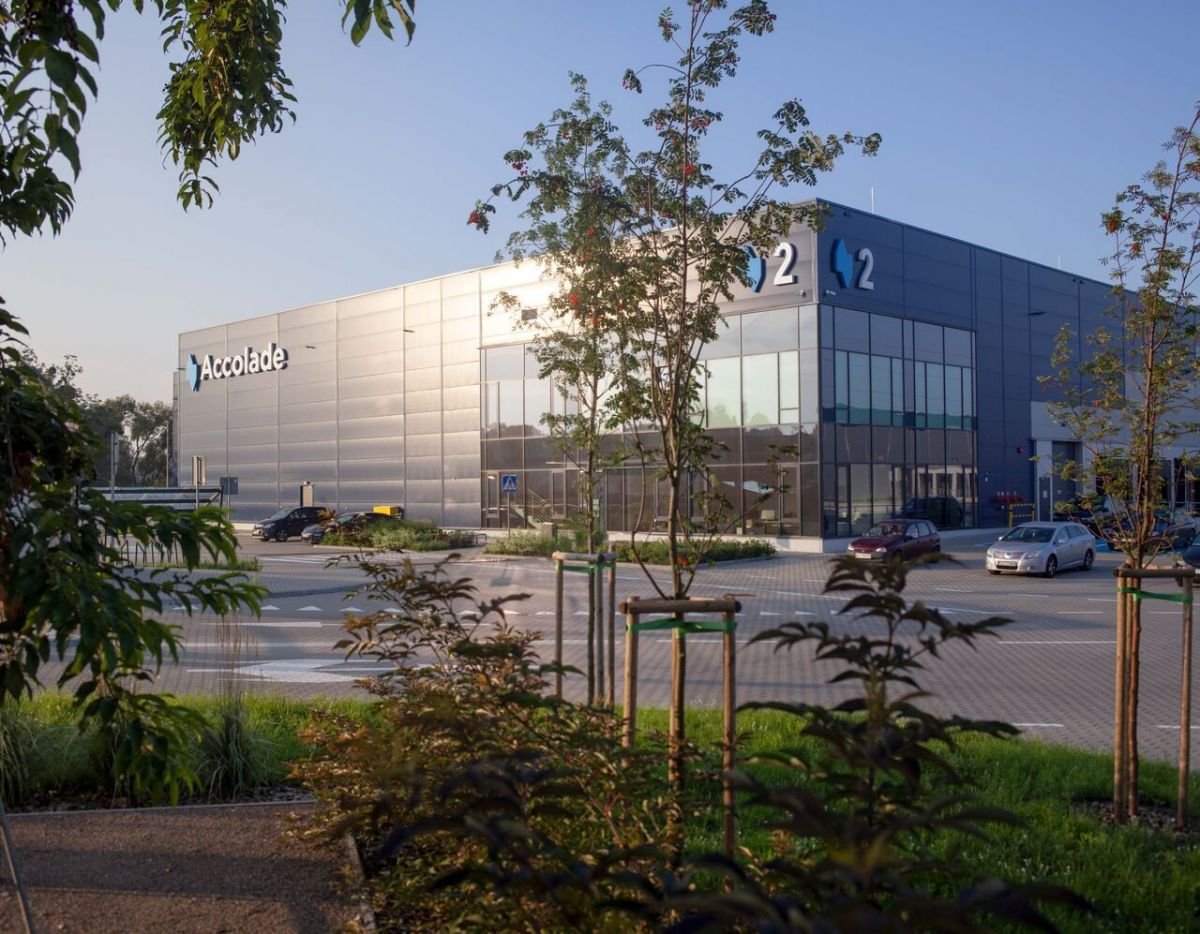
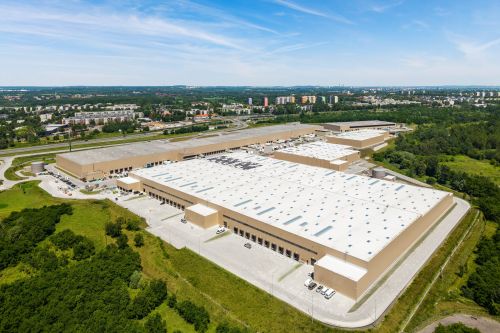
Data presented by Accolade show that the vacancy rate stood at around 6.6 pct at the end of the first half of the year, while available space accounted for around 6 pct. The situation varies significantly across regions.
This does not mean that the situation is the same across the country. In western Poland – from Szczecin, through Gorzów Wielkopolski, to Zielona Góra – we are seeing a high level of leasing activity. Some transactions have already been completed, while others are in the final stages of negotiations. We are also seeing an interesting situation in Lublin, where the number of potential customers looking for space is starting to exceed the available warehouse stock.
Renata Nowacka, Leasing Manager at Accolade
Chinese e-commerce drives demand
Accolade says logistics companies make up the largest share of active tenants, while the biggest requirements are for very large facilities. In the e-commerce sector, space requirements can exceed 20,000–30,000 sqm.
One of the biggest surprises on the market this year has been the activity of Chinese e-commerce platforms. It is not just the pace and scale of the space they are looking for, but also the way they approach negotiations, make decisions and organise the leasing process.
Renata Nowacka
According to the company, the size of individual requirements can quickly reduce the amount of space available in particular locations.
More difficult financing for new projects
Falling availability does not automatically mean that new supply will come onto the market quickly. According to Accolade, financing conditions for warehouse projects remain one of the main obstacles.
Financing remains a key barrier, as banks have significantly reduced lending for speculative development. A new warehouse project now requires much stronger evidence of demand before construction can begin. During the strongest periods of the market, around 30 pct pre-leasing was enough. Today, securing attractive financing typically requires around 50–60 pct of the space to be pre-let. This fundamentally changes the development model. New warehouses are much less likely to be built speculatively. Developers first need to find the right tenant, sign a lease and then demonstrate a sufficient level of contracted space to the financing institution.
Renata Nowacka
The tenant profile and the nature of the project also play a role.
It is not enough simply to find a customer – their financial standing also matters. If there are concerns about a tenant’s ability to meet its obligations, and the project requires significant additional adaptations, the investment risk increases considerably. In the current environment, developers therefore need to be much more selective when it comes to both locations and tenant profiles.
Renata Nowacka
Operating costs are rising
Accolade also points to rising labour, fuel and property tax costs, along with other charges. Energy remains a major challenge, both because of its cost and the availability of suitable infrastructure.
The challenge is both the cost of energy and the state of the energy infrastructure. At the same time, renewable energy and its role in the energy mix used by tenants are becoming increasingly important. Modern warehouses also need to be designed with changing climate conditions in mind. The resilience of buildings and infrastructure to the effects of environmental change will become an increasingly important part of the investment process.
Renata Nowacka
According to the company, rising operating costs and limited availability could also put upward pressure on rents.
Rental pressure is primarily a result of the relationship between supply and demand. If tenant demand remains strong and available space continues to be taken up, landlords will have a stronger negotiating position. With availability at its current level, further constraints on supply could gradually lead to higher rents.
Renata Nowacka
At the same time, large e-commerce platforms, including Chinese companies, continue to look for competitive rental rates.
Availability more important than demand?
If demand remains strong and existing space continues to be absorbed, Accolade expects limited supply to become a more significant challenge for the market.
Such a scenario could trigger another wave of development activity. New projects will be needed by European and local tenants, as well as by companies supporting the growing supply chains associated with e-commerce. At the same time, early signs point to a possible revival in the warehouse investment market. An increase in transactions between asset owners could become another factor supporting a recovery in investment activity.
Renata Nowacka
From Accolade’s perspective, sustained demand combined with limited new supply could make access to suitable warehouse space increasingly important. Tighter financing conditions, in turn, may limit the pace at which new projects are brought forward.

Who will win and who will lose with changes to the land market
Walter Herz
The biggest change to the land market in years is on the horizon. The spatial planning reform will mean that plots previously considered attractive may lose value, while land with ...
Sales up, supply down
JLL Polska
In the first quarter of 2026, the Polish housing market recorded a significant increase in sales. A total of 12,900 apartments were sold across the country's seven largest cities ( ...
Rent isn't everything. The real costs of leasing warehouse space
Newmark Polska
Choosing a new warehouse takes much more than simply comparing rental rates across a few or even a dozen centres. With rising energy costs and varying technical standards, the actu ...