







How Polish property came of age
25 years of Poland’s property market
Since the year 2000, that is, in the early days of Eurobuild CEE, almost EUR 85 bln has been invested in the Polish real estate sector. Back then, the market was still very much in its infancy, just a decade after the end of communism. But the extent to which it has been transformed can best be seen by comparing the investment volumes of the time, which were in the low hundreds of millions of euros, to the several billions that are regularly transacted each year. In fact, the total volume first exceeded the billion mark in 2004, before really taking off in the boom year of 2006, when around EUR 4.5 mln was transacted and when international investors really began to get involved following the country’s EU accession in 2004. Coincidentally, this is around the same figure that is projected for this year, but as we will see, the market has been through many ups and downs since then.
From risky to a sure bet
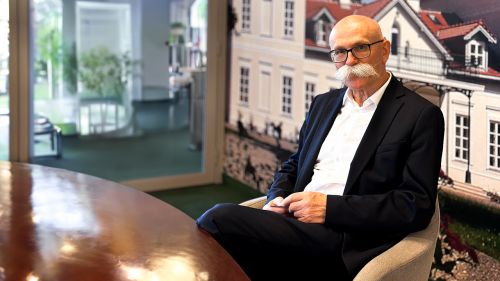
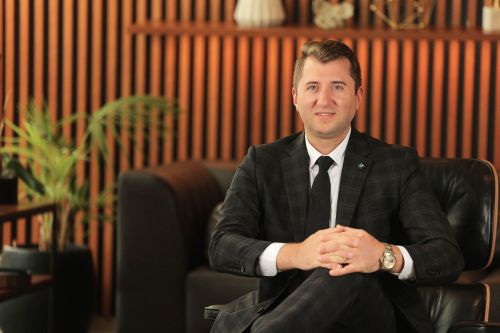
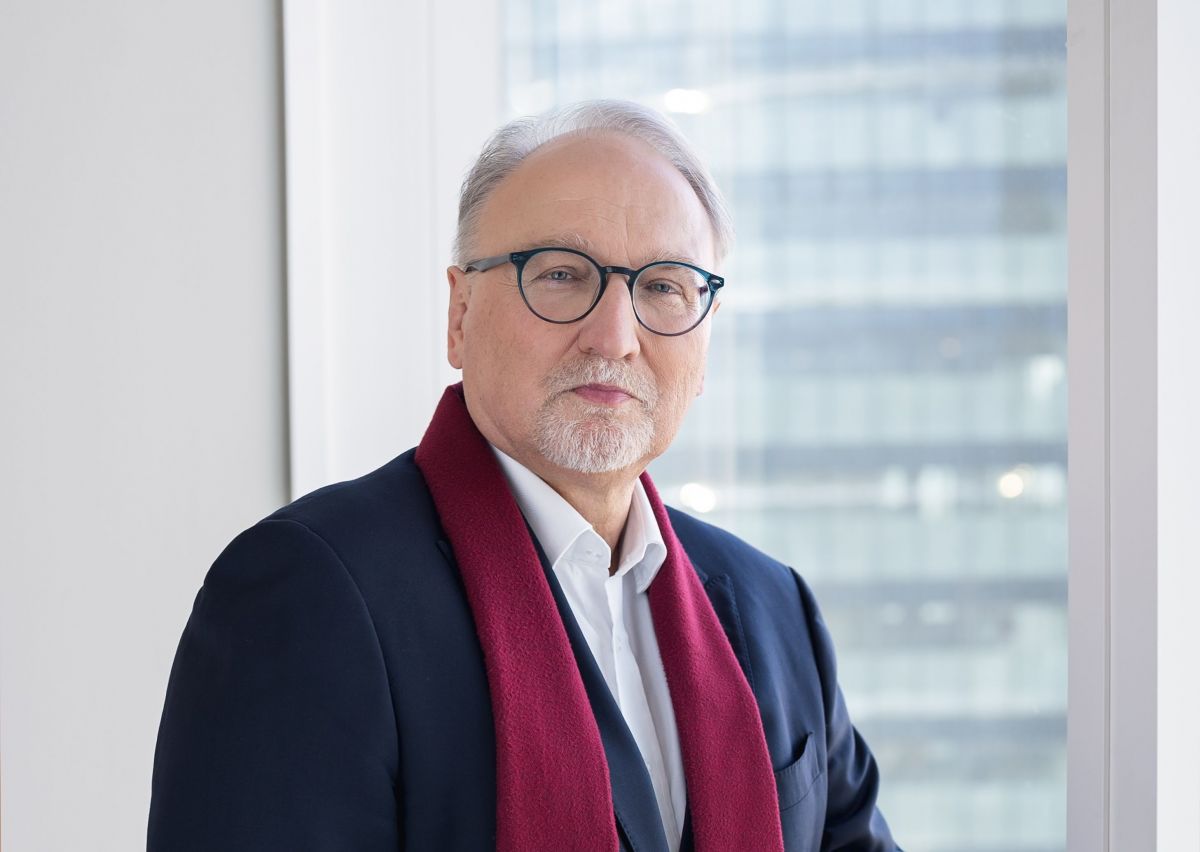
“In the years 2000–2003, Poland’s investment market was characterised by high risk and limited liquidity, which kept yields relatively high. Prime office yields stood at 10–11 pct, while retail and industrial yields sometimes exceeded 12 pct,” recounts Piotr Kaszyński, the managing partner of Newmark Polska, who has also seen at first hand the development of the Polish market having worked in real estate consultancy here for around 25 years. The dominant sector in terms of investment back in 2000 was office, which accounted for almost 90 pct of the volume, with industrial making up the remainder. Subsequent years, however, saw retail vie for dominance with office, in many instances surpassing it in the share of the annual volume. But as Poland was still seen as an emerging market in the early 2000s, the risk-and-return ratio – that is, the potential profit from investing compared to the potential loss – was reflected in much higher yields than today, as he goes on to explain: “Following Poland’s accession to the European Union in 2004 and the subsequent inflow of foreign capital, yields began to gradually harden. Despite periods of global turbulence, including the great financial crisis, the Covid-19 pandemic and the sharp interest rate hikes that followed, real estate yields have not returned to their pre-2004 levels. At the end of the first quarter of 2025, prime yields stood at around 5.75 pct for office properties and at 6.50 pct and 6.25 pct for retail and industrial assets respectively.”
Who were those international investors who back then were the first to take a serious interest in Polish real estate? And how has the investment profile since changed? “Since the emergence of the commercial real estate investment market in Poland, properties have been acquired primarily by investors from the US and Europe, including Germany, Austria, the UK, France and the Netherlands,” reveals Piotr Kaszyński. However, as he goes on to add, this has begun to change in recent years, with the Polish market attracting growing interest from investment funds based in Asia (notably Singapore and China) and the Middle East. Regional players have also recently entered the fray, especially those from the Czech Republic, Hungary and the Baltic states, while local capital is also becoming more active. This still accounts for smaller transaction volumes, but the number of deals involving such players is now steadily rising.
A look around the office block
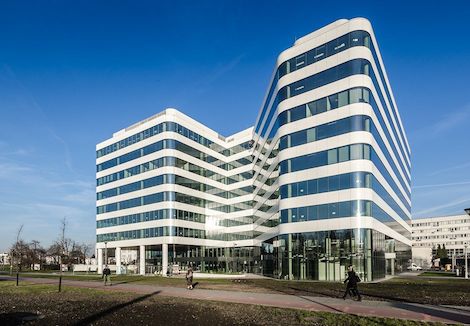
In 2000, the total office stock was estimated at app. 1.75 mln sqm, with Warsaw being the epicentre of office construction activity in Poland, although individual projects were also underway in Kraków, Wrocław and the Tricity. But then came Poland’s EU accession, which was a strong catalyst for office market growth, particularly outside the capital. Since then, almost 6 mln sqm of modern office space has been delivered across key regional cities – Kraków, Wrocław, the Tricity, Poznań, Katowice, Łódź, Szczecin and Lublin – while another 4 mln sqm was added in Warsaw alone.
In the opinion of Piotr Kaszyński: “Poland’s office market has transformed significantly since 2000. Integration into the European economic area broadened access to capital, cutting-edge technologies and organisational know-how, attracting a wide range of foreign tenants and multinational corporations to our country. Business services companies played a special role in this process, setting up service centres in major regional cities. At that time, Kraków emerged as the leading office hub outside Warsaw, with its office stock topping 1 mln sqm, while Wrocław and the Tricity also experienced strong momentum. As he explains: “This rapid expansion was driven by a large pool of skilled labour, the growth of higher education institutions, particularly technical universities, and gradual improvements to urban and transport infrastructure. These developments were accompanied by the evolution of architectural and technical standards, resulting in increasingly modern, energy-efficient and sustainable office buildings.”
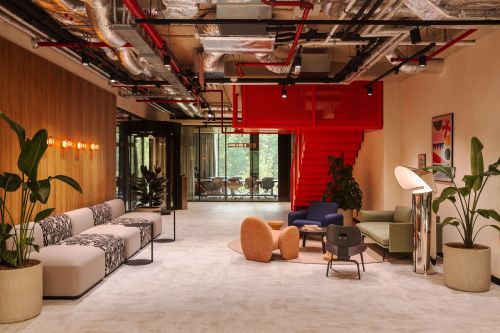
Since 2000, companies operating in Poland have signed leases for more than 23 mln sqm of office space. As the market expanded, occupier needs have also evolved. This could be seen with the growing demand for open-plan offices allowing for flexible desk arrangements. Over time, landlords also added a variety of amenities to enhance user comfort and boost work efficiency – including chillout zones, coworking spaces, bike rooms, F&B facilities and green terraces that are commonplace today. And it’s not just the offices themselves that have changed, but landlord-tenant relationships have also evolved, Flexible lease terms and customised office layouts are now being increasingly offered.
Covid recovery
But Poland’s office market is now adapting to new realities, following the upheavals of recent years. New supply has slowed sharply, mainly due to high construction costs, inflation and tighter lending conditions. This has seen developers shift their focus towards premium-quality projects that meet tenants’ requirements for user experience, space flexibility and environmental standards. The hybrid work model, widely adopted after the pandemic, has become the dominant work pattern in many companies. As a result, the demand for large offices has declined, while expectations for quality, functionality and location have increased.
“Today, Poland boasts one of the most mature and diverse office markets in Central and Eastern Europe. While Warsaw remains the country’s largest office hub, several strong regional markets are also attracting international companies with modern office space. The key challenges ahead include the ongoing adaptation of office spaces to hybrid working, rising maintenance costs for older buildings that also require refurbishment, and the need for systemic implementation of ESG strategies as a new market standard,” adds Piotr Kaszyński.
Spending and shopping
The growth of the Polish economy has steadily outstripped that of Western European countries. In 2000, the GDP per capita in Poland stood at less than 50 pct of the average for OECD countries, but in 2024, however, it had reached 82 pct. And as the economy grew, so did the purchasing power of consumers and the demand for modern retail, which in the early 1990s was virtually absent from the market until first-generation shopping centres started to appear, that is, hypermarkets with small shopping galleries. The first international brands to enter the market were the likes of with brands such as Géant, Carrefour, Tesco, Intermarché and Auchan. But by 2000, the total retail space in Poland was still only 3.1 mln sqm, which translated into a saturation level of around 80 sqm per thousand inhabitants. However, after years of intensive retail development, this indicator has increased more than fivefold and has now reached around 440 sqm per thousand inhabitants, while the total retail stock presently comes to 16.8 mln sqm, according to Cushman & Wakefield. In the view of Michał Masztakowski, the head of retail at Cushman & Wakefield. “The culmination of this expansion was the years 1997–2003, when the market was supplied with an average of 650,000 sqm of new space per year, the vast majority of which – as much as 68 pct – appeared in the largest urban centres, such as Warsaw, Kraków, Wrocław and Poznań. The record year was 1999, when over 1 mln sqm was added to the market. and two years later – in 2001 – the market recorded another peak with 830,000 sqm of new space. At that time, large-scale projects dominated – the average area of a single centre was 18,500 sqm, and in just a few years as many as 17 shopping centres with areas exceeding 40,000 sqm were built. For comparison – currently, the average size of a new project is 17,300 sqm, and such large projects are now rare,” he informs us.
In the first few years of the millennium, classic shopping centres dominated, accounting for about 80 pct of the market, while 15 pct were such large-scale centres as DIY stores or cash & carry formats. The growth of the retail market was also resilient to the global financial crisis of 2007–2009, due to the stable domestic demand and a relatively low level of household debt. But over the last three years, the proportions of the different formats have changed radically – as much as 89 pct of new supply is retail parks, while the share of malls has decreased to such an extent that a negative balance has now been recorded – more centres are closing than are being opened or expanded. Together, shopping centres and retail parks now make up almost 13.6 mln sqm of the total stock, which puts Poland in sixth place in Europe, while last year it ranked second in Europe in terms of the size of newly delivered retail space – every seventh square metre of new space built on the entire continent was created here, according to Cushman & Wakefield.
“The beginnings of the modern retail space market in Poland are a story of dynamic expansion, in which international players played a key role – both as developers and investors,” continues Michał Masztakowski. “In the 1990s and early 2000s, the most active companies were from France, Germany and Great Britain. They were among the first to notice the potential of this transforming market and risked investing in a country that was only just building its position in Europe. At that time, developers such as GTC, ECE Projektmanagement, Ingka Group (formerly IKEA Centres), Klépierre, TK Development, Metro AG, Apsys and King Cross were present on the market. Their flagship projects, such as Galeria Mokotów in Warsaw (1998), Galeria Dominikańska in Wrocław (1999), M1 Marki (2000), Galeria Krakowska (construction started in 2004), CH Manufaktura in Łódź (completed in 2005) and Silesia City Center in Katowice (construction started in 2002), set a new standard for the functioning of retail in Poland,” he explains. Over time, Polish developers and investors also began to appear on the market, competing more and more boldly with international players. “MMG, Gemini Holding, Rank Progress – particularly active in smaller centres – and Echo Investment are just some of the companies that have played an important role in further shaping the market. As the sector developed, a strong group of specialists was also formed in Poland – with experience in development, investment and operations – who today successfully develop projects not only in the country, but also on foreign markets,” adds Michał Masztakowski.
The industrial age
Retail and office maintained their lion’s share of the investment market until the end of 2019, accounting for more than 90 pct of total annual investment volumes in some years. Since then, however, investor interest has increasingly shifted towards other sectors, including alternative assets, but especially towards industrial, which since 2020 has dominated the volumes, whereas retail and office have had to recover from the shake-up brought about by the pandemic.
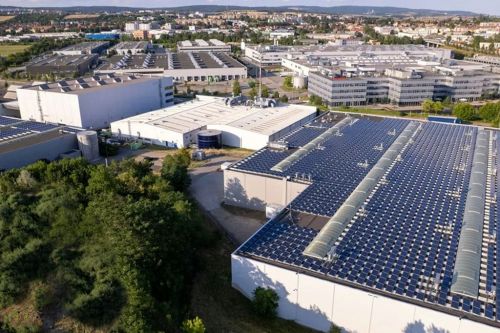
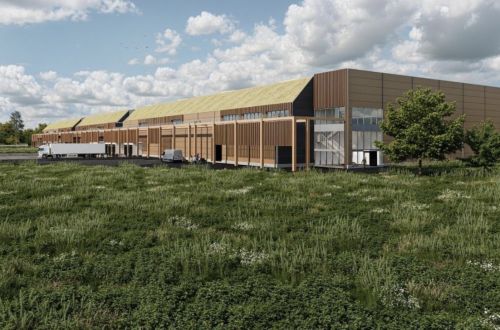
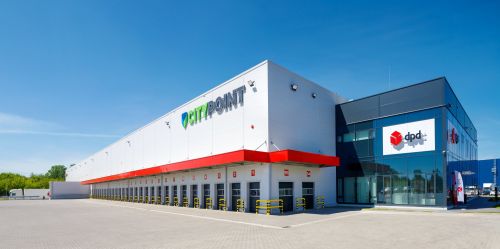
Back in 2000, however, Poland’s industrial stock totalled less than 1 mln sqm and largely comprised older, lower quality warehouse and production facilities, clustered in the industrial areas of Warsaw and along key railway lines and national roads. The turning point came, as with the sectors already covered, when Poland joined the EU. Since then, industrial take-up has exceeded 65 mln sqm and, according to Axi Immo, at the end of Q1 2025, the total stock came to 35.3 mln sqm The Polish industrial market experienced its strongest growth in 2017–2024, when an average of 3 mln sqm of new space was being added annually, according to Newmark.
“Today, Poland has one of the fastest-growing industrial markets in Europe,” claims Piotr Kaszyński of Newmark. “In terms of total stock, it ranks fourth – behind Germany, the UK and France – while steadily narrowing the gap with the top three. Poland’s key competitive advantages include its strategic geographical location, land availability and rapid infrastructural development. Compared to Western Europe, the Polish market also stands out for its relatively strong expansion potential and fast pace of growth. Analysts forecast that its industrial stock is set to grow by around 7–9 pct annually over the coming years, while other leading European markets are expected to see annual growth of just 1–2 pct.”
Poland’s industrial tenant mix has also gradually evolved over the years. Initially, it was dominated by retailers and light manufacturers using warehouses mainly for storage and distribution to store chains, but logistics firms and 3PL providers are now increasingly the prominent players in the leasing market with Poland’s emergence as a leading logistics hub of Central and Eastern Europe.
“Poland’s industrial market is growing in terms of both quantity and quality, with an increasing focus on energy efficiency, climate neutrality, IoT technologies and ESG standards. At the same time, it is diversifying geographically – beyond key logistics hubs, smaller towns and locations near the country’s borders, such as Rzeszów, Białystok and Zielona Góra, are also gaining importance. This highlights the market’s growing maturity and expanding reach,” emphasises Piotr Kaszyński.
A home of one’s own
The development of the residential market in Poland, and its attractiveness as an investment product, has taken a very different course from the others. The hyper-inflation of the early 1990s, along with the reform of the banking system and the instituting of private banks required for mortgage loans, were issues that were eventually resolved, but it still took around ten years (in around 2002) for mortgages to be priced below 10 pct and within the reach of the average home buyer. Prior to this, housing construction was at a very low level, but once a workable mortgage market had been established, the game changed. As Kazimierz Kirejczyk, the housing strategy advisor at JLL, explains: “After this pioneering period in the late 90s and early noughties, certain players realised that money could actually be made in the residential sector. Tycoons like Michał Sołowow decided to put all his money into the development business and established Echo Investment. And then the foreign players came, with the Israelis being especially bold in this phase of market development – the likes of Asbud, Robyg and Ronson. When this first wave of international players succeeded, following EU accession, there was an even greater influx of foreign players: German, French, UK and especially Spanish – what we called the Spanish Armada. At this time, there was actually so much capital flowing into the Polish residential market that it couldn’t absorb it. Around the same time (2001), there was a major change in the tax regulations, when tax deductions were converted into mortgage tax reductions; but changes to the planning law hampered development and land prices in 2004-7 went up around 2.5 times. And this was also being fuelled by Swiss franc loans. But nothing was really happening in the institutional rental sector.”
Alternative living
It was the popularity of the home-ownership model until then (in a country where actually owning your own home had been unusual before transition to democracy) that had been holding back the emergence of the private rental sector; but it has since taken off and is one of the leading alternative asset classes that is attracting institutional investors. The very first private rental sector transaction in Poland was actually concluded in 2015. In 2007, Kazimierz Kirejczyk and Paweł Sztejter, both at REAS at the time (which has since been merged into JLL), started to carefully monitor the rental market to understand its processes, “because we knew back then that certain mega-trends would be coming to Poland. There was going to be less affordability as prices eventually increased to the levels in other, Western European countries. It took us roughly five years to build the databases for the entire rental market in major cities,” recalls Paweł Sztejter, now the head of residential at JLL. The investors they then met with told them to come back when Polish capital started investing in the sector, which came when BGK set up BGK Nieruchomości as the very first institutional investor, approaching developers and buying completed projects for rental purposes in around 2013. “And when they started investing, we were able to go back to the investors and tell them there was already investment in Poland happening and a track record was visible – so now you can come and invest here. And that’s why Bouwfonds from the Netherlands and Matexi from Belgium got involved. Matexi was already an established developer in Poland, while Bouwfonds was later taken over by Catella. And so, that’s how we were able to organise the very first transaction. Matexi developed a PRS project on ul. Pereca in central Warsaw and eventually sold it to Bouwfonds in 2016. After this, it was much easier for Matexi to follow it up with the second transaction with LivUp. And in 2018, Echo, Griffin and Pimco set up this joint venture called Resi4Rent; and then more investors started to appear. In 2019, more transactions happened. In 2021, we saw this enormous spike in investment to almost EUR 700 mln,” adds Paweł Sztejter.
And then, as we all know too well, Covid reared it ugly head, which forced more residential developers to completely change tack. “In 2020, they experienced zero sales in the second quarter of the first lockdown. And they thought, what if the market doesn’t recover to its previous levels? To be on the safe side, let’s allocate some of our stock for sale to investors, because there was certainly much more capital interested in investing in Poland. So this only illustrates that when there is capital and where they are investors and developers, the market will fly much higher than in the early years of the PRS sector in Poland. And I’m also super proud to declare that out of all of the transaction volume, we have been involved in more than 60 pct, initially as REAS and now as JLL, while in the record-breaking year of 2021, we actually had as much as a 93 pct share of such transactions,” reveals Paweł Sztejter.
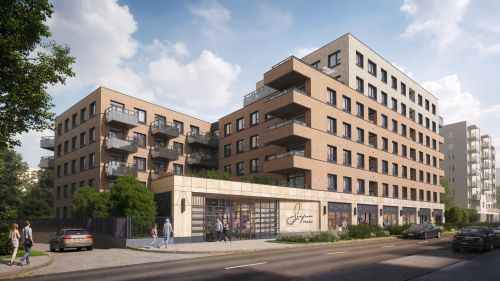
According to JLL, at the end of 2024 there were 22,300 operating PRS units in Poland, of which around 26 pct came onto the market in that year alone in 26 new projects, most of which were situated in Warsaw. And while the PRS market in Poland still makes up only just over 0.1 pct of the entire Polish housing stock, the figure is set to double over the next two years, driven by demographic changes and the prevailing economic conditions. This is a pattern very likely to be followed by other asset classes in the living sector, such as student and senior accommodation, which just like PRS are set to attract more attention from institutional capital.