





The next big thing

Interview 300
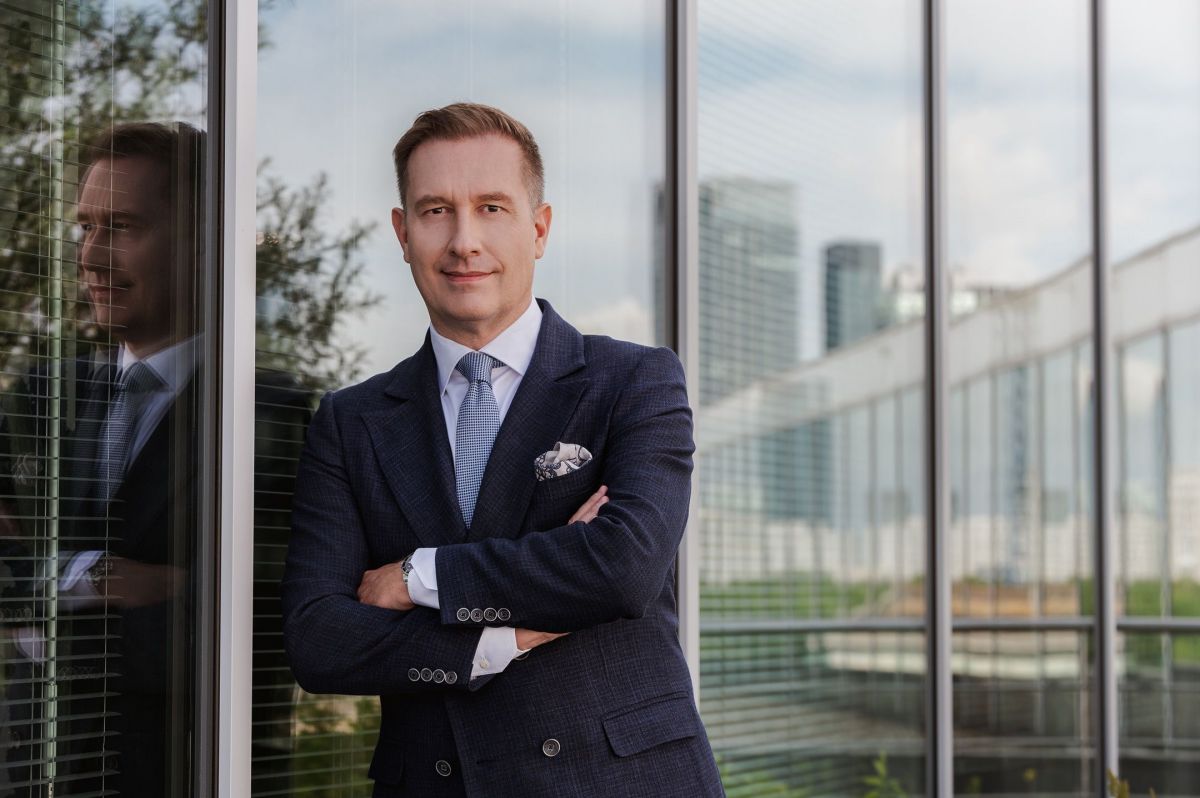
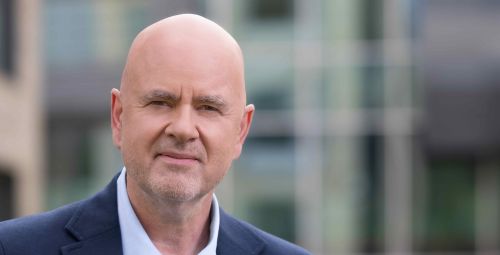
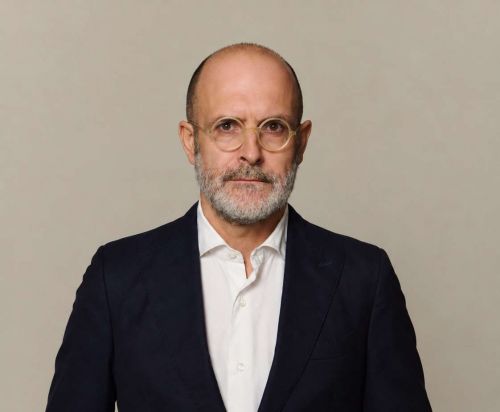
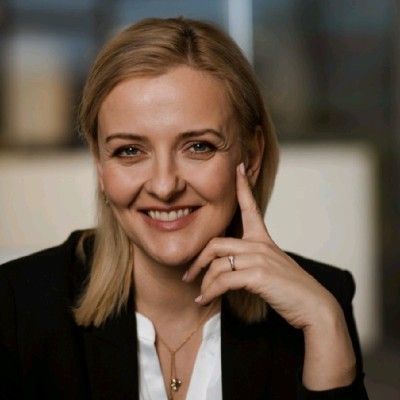
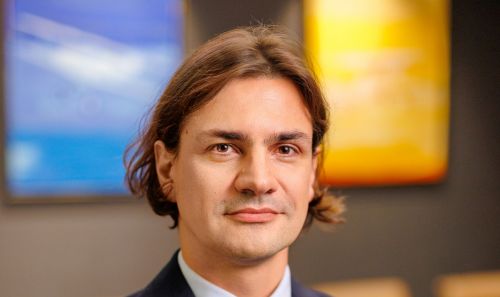
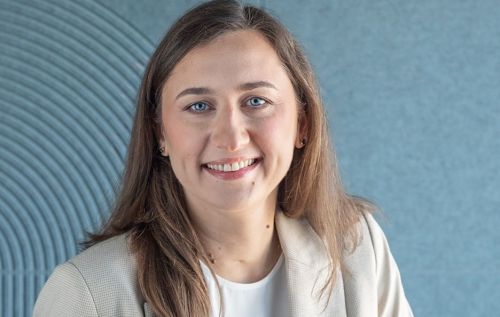
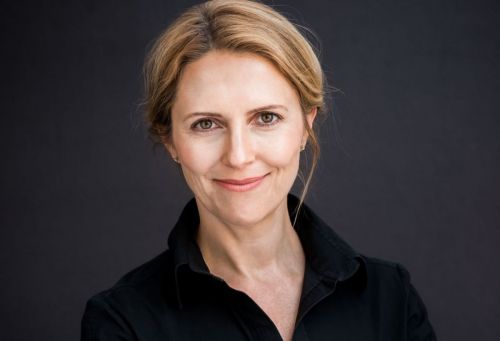
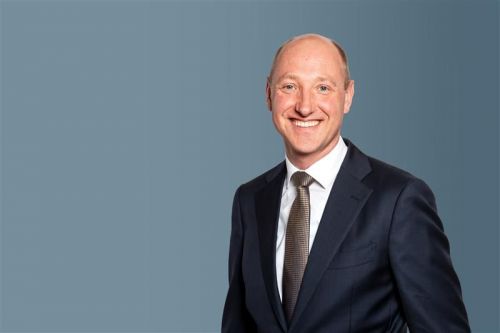
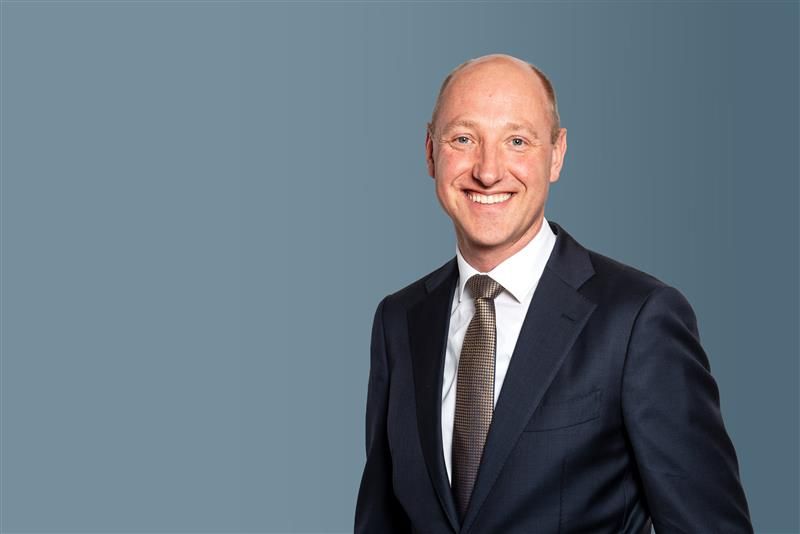
Søren Rodian Olsen established Nrep’s Polish branch in 2021 and leads its logistics platform’s business development activities in Poland (Logicenters), with a focus on investment sourcing, asset management, and key relationships with co-investors and large tenants. He has over 20 years of experience of working in the Polish market, having previously held senior executive positions at Bank Austria, HVB Group and Aberdeen as well as ten years with Cushman & Wakefield, where he was a partner and head of capital markets. Søren holds an MBA from the University of Westminster and sits on the board of ULI Poland.
You are reading this content because it is covered by the free limit. Buy full access!


How do you view the changes that have taken place in the real estate market over the last few decades? Which event would you consider the most surprising?

Søren Rodian Olsen, the managing director of Logicenters Poland, Nrep: When looking back over the past 2–3 decades, there have been multiple “mega events” that may not have been real estate related but certainly had a massive impact on the real estate market. Perhaps the ones that stand out the most are 9/11 (2001), The Great Financial Crisis (2007–09), Brexit (2016), Covid-19, and one should not forget geopolitical events such as the wars in Afghanistan, Iraq and Ukraine, with the latter having had a particular impact in our part of the world. It is very difficult to poin to the one most surprising event, and while Brexit was indeed a huge surprise that impacted many businesses across Europe, Covid-19 stands out as the event that changed the way we work as well as consumer behaviour; and five years later, the real estate markets are still very much impacted by the Covid-19 aftermath in terms of the supply/demand dynamics and investment/liquidity preferences.


What do you regard as the most pivotal or breakthrough moment in your professional career in the sector?

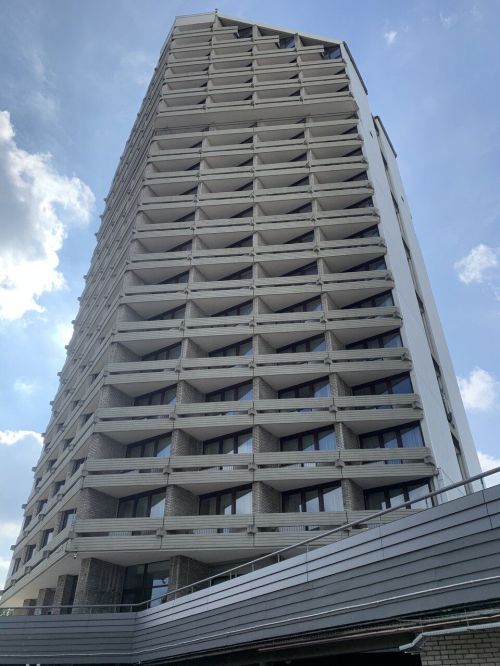
In January 2008, I joined a private equity real estate start-up business founded by 3 HNWIs, which had identified a niche opportunity in the Warsaw market – the conversion of listed buildings into boutique offices and luxury apartments in truly unique locations in the city. We got off to a good start, securing four re-development projects and as well as initial senior and mezzanine financing. Nine months later, the Great Financial Crisis “announced itself” with the collapse of Lehman Brothers, followed by the downfall of many other financial institutions. And it just became impossible to secure development financing and the real estate market came to a complete standstill. The start-up business had to close down its activities, but in the aftermath of leaving this job, I was a approached by a German investment fund that desperately needed local presence to manage its portfolio in Warsaw, which in many ways launched my career in corporate real estate, and my later career choices and opportunities would never have happened without the above turning points and difficult challenges that I (and many other people) experienced during 2008 and 2009.


What can we expect in the years ahead of us? What should investors and decision-makers direct their attention to? And what should they be cautious about?

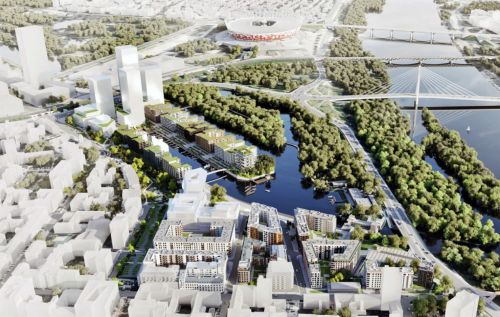
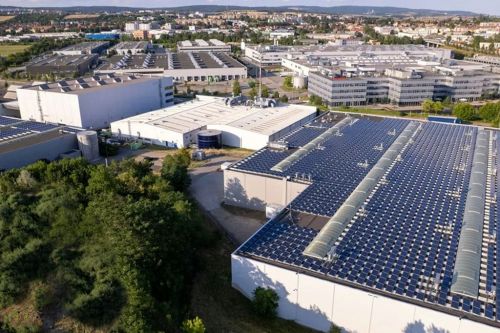
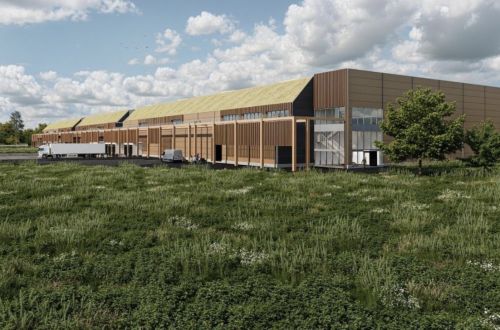
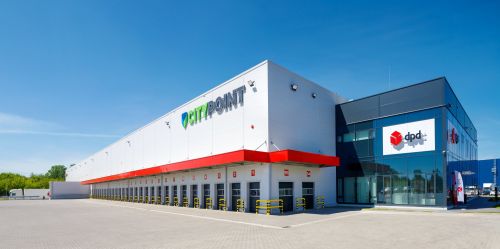
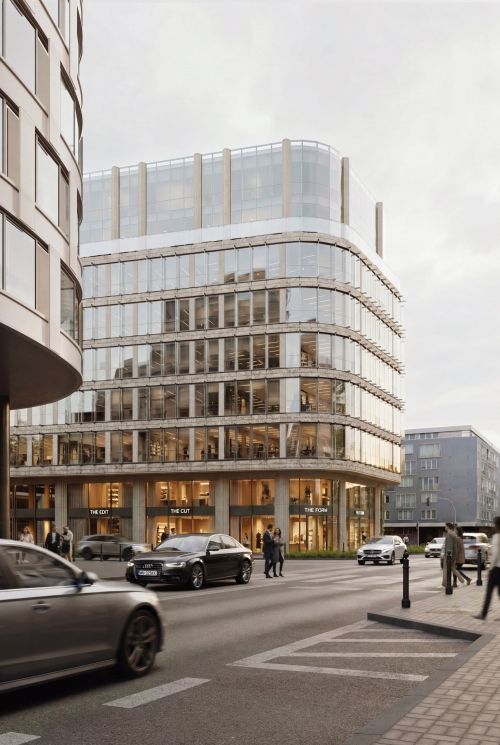
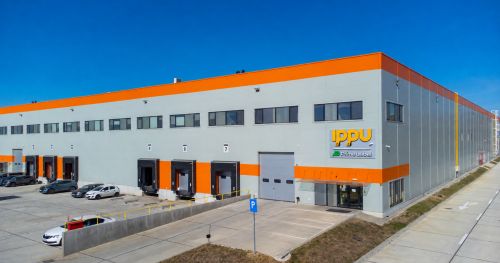
Well, I think that my crystal ball is as good as yours, meaning that it’s rather hard to predict the future in a world where liquidity is scarce. As we have recently experienced in the CEE region, occupiers are hesitant, financial institutions are selective, and the geopolitical risks and threats are impacting the behaviour and decision-making of many stakeholders. The wars in Ukraine and the Middle East, as well as the so-called “tariff war”, continue to fuel much uncertainty around the world, so I think a true bounce-back in the real estate markets will be slow and long. Having said that, it’s at times like this that investors can find new opportunities – and for a value-add investor like Nrep, we are continuing to see many exciting propositions in the Nordics as well as in Germany and Poland. The latter is a younger, smaller and slightly more fragile market in terms of liquidity, but on the other hand, Poland has proven itself over recent decades to be quite resilient towards various types of market disruptions and even now shows a most promising outlook in terms of GDP growth, employment, and the availability of real estate product and labour. Looking more specifically at the real estate opportunities, I remain a strong believer in logistics and light production in key distribution hubs, as well as the many exciting products within the living sector, including PRS, PBSA, senior housing and hospitality. We have a long, successful track record in Nordics of working together with local authorities to redefine and revitalise entire neighbourhoods of capital cities, and I am convinced that Warsaw and other large Polish cities will be wanting to work closer together with the private sector to improve the urban footprint and help Polish cities climb the rankings of most liveable cities in the world. This could become the next big thing in Poland for investors.

Categories

Your order
Your data
Number of access accounts
Each account provides independent access on one device. You will be able to create additional access accounts in the account settings.
Invoicing data
Order summary
Net price
Access accounts #
Net order
VAT (%)
Gross order
Payment security is ensured

Don`t miss out the current edition