




Agility is at the heart of operations

Interview 300
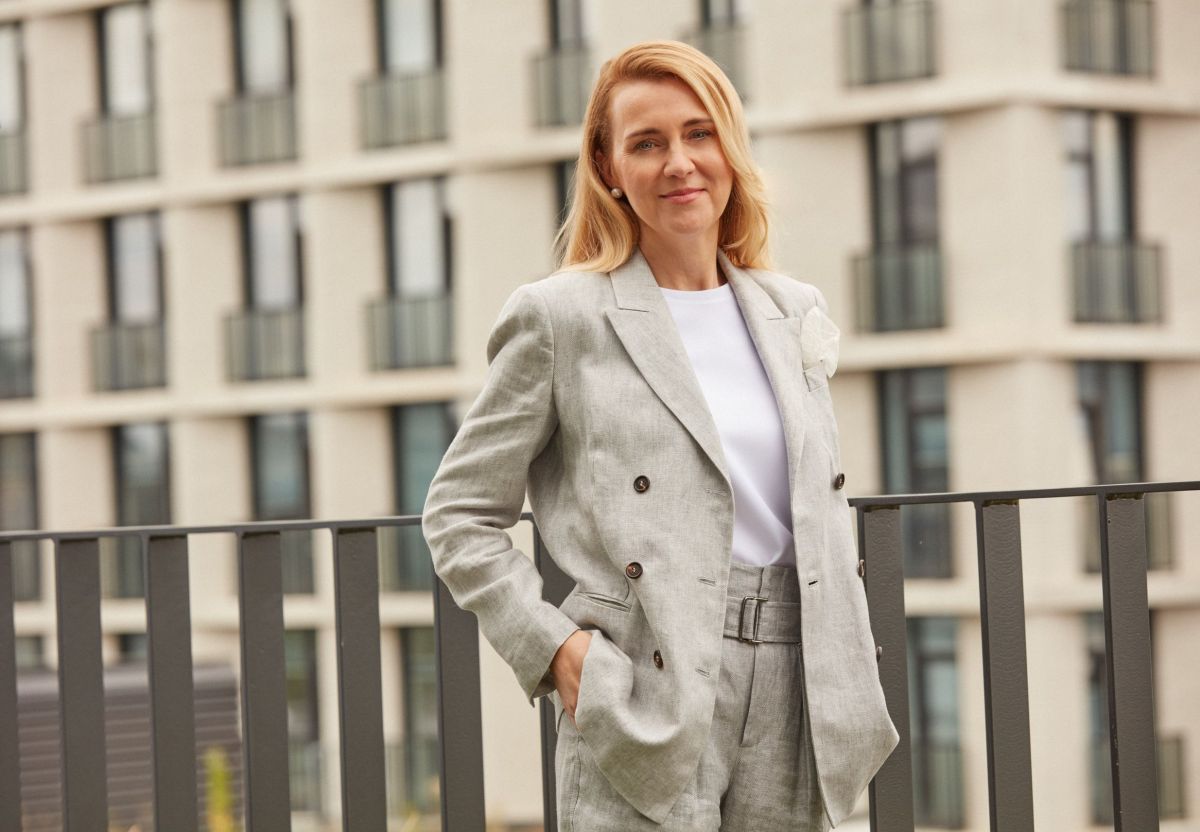
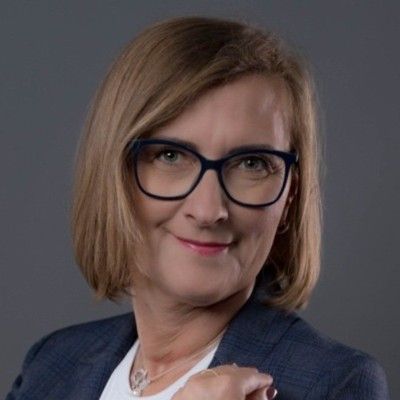
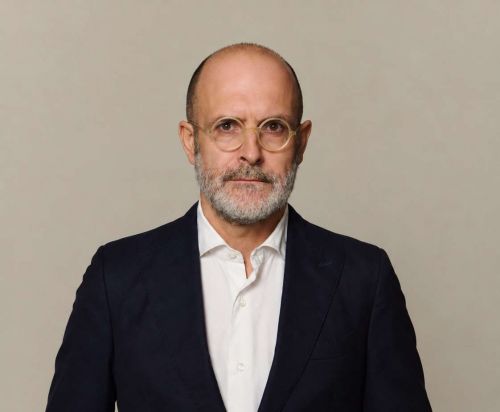
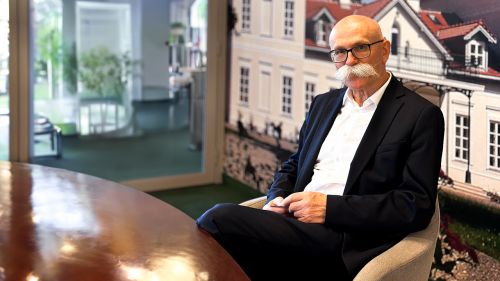
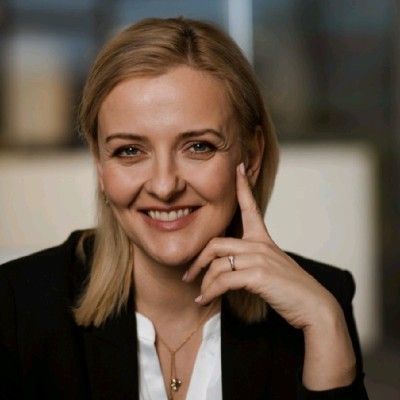
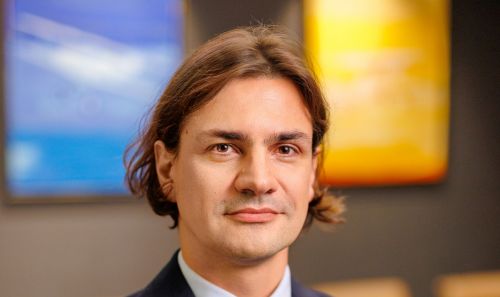
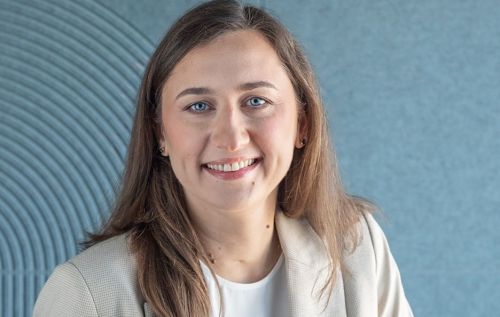
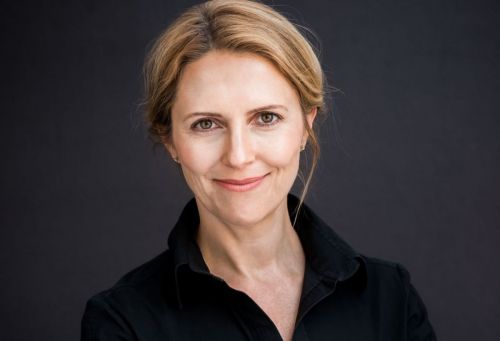
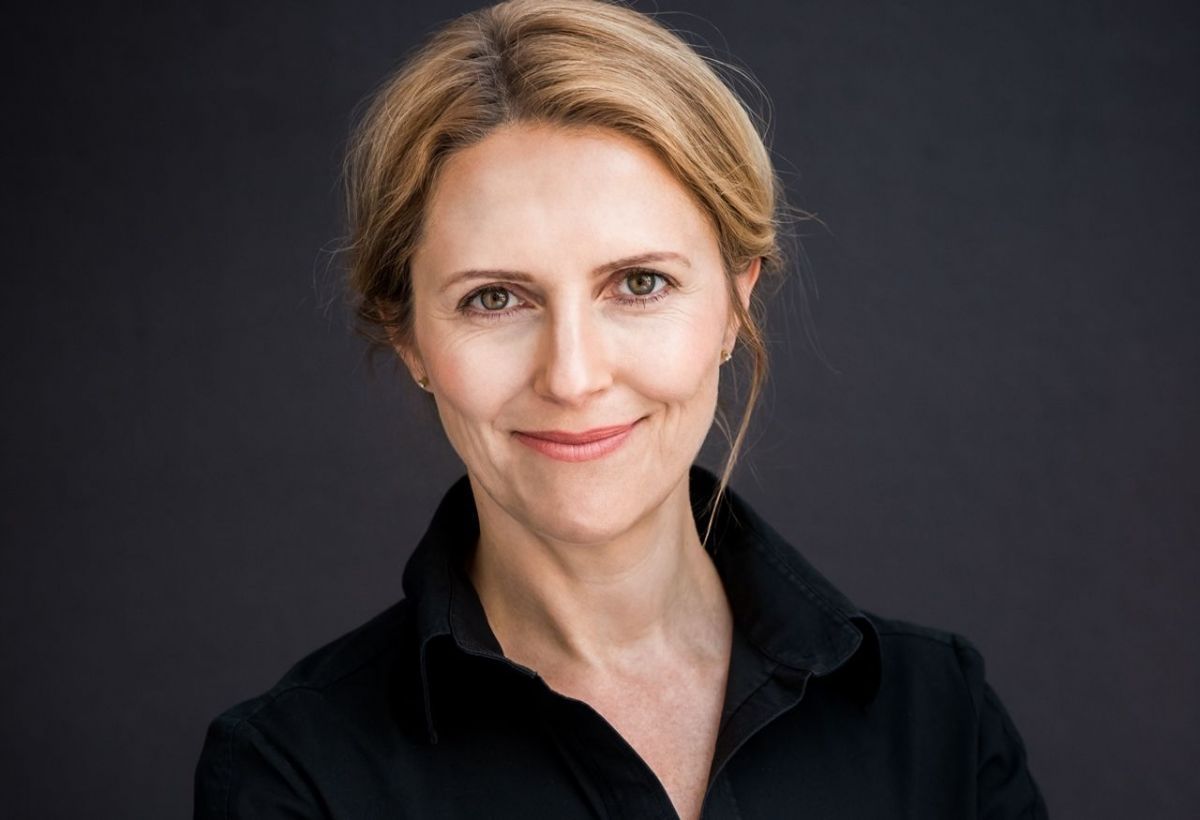
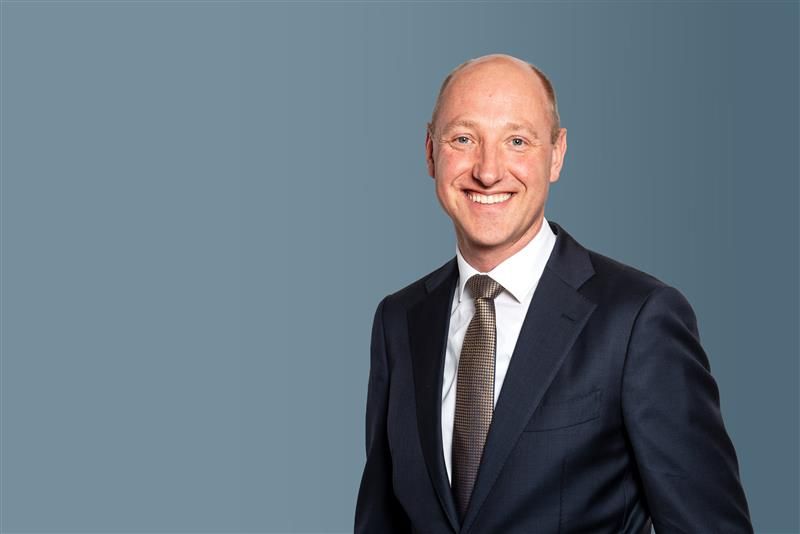
Monika Rajska-Wolińska, as managing director of Colliers for Central and Eastern Europe, is responsible for strategic and operational activities in Poland, the Czech Republic, Slovakia, Romania, Bulgaria and Hungary. She is also a member of the EMEA board at Colliers. She was awarded the title of Female Champion of Change (Sukces Pisany Szminką), and is a mentor with Vital Voices and the Urban Land Institute (ULI).
You are reading this content because it is covered by the free limit. Buy full access!


You’ve been working at Colliers for only slightly less long than ‘Eurobuild’ has existed (congratulations!). In your view, what has changed the most over the years in the way business is carried out on the Polish real estate market?

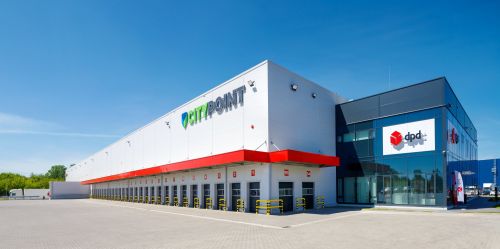
Monika Rajska-Wolińska, the managing director of Colliers for Central and Eastern Europe: I clearly remember the early days of ‘Eurobuild’ in Poland. Congratulations on an impressive 25 years on the market, and I wish you continued success! Looking back over those years, it’s evident how dramatically the Polish real estate market has transformed. When I started in 1997, Poland was only just opening up to foreign investors, and the market was still taking shape – simple transactions dominated across key sectors (offices, logistics, retail), and the primary success factors were attractive land, a prestigious location, the cost and the speed of decision-making. Today, the market is significantly more complex and mature. Professionalisation and globalisation have raised operational standards, and investors now have access to a far broader range of asset classes – from offices and warehouses to PRS, student housing, data centres and renewable energy. As advisors, we are active in all these areas. For example, we supported Spanish company Grupo Lar in establishing a partnership with Lithuanian developer Hanner (they are jointly developing 1,300 residential units in Warsaw worth PLN 1 bln), and recently advised Nokia on acquiring modern BTS space in Wrocław for an R&D centre in the IT sector. One of the main drivers of change has been technology. Smart buildings, automation and AI-based tools are enhancing efficiency, user comfort and space management. At the same time, the importance of sustainability is increasing – green certifications (LEED, BREEAM) are now standard. Our Polish team alone has carried out over 120 certifications covering 2.5 mln sqm. Well-being and tech certifications (such as Well, Fitwel, SmartScore and WiredScore) are also playing an increasingly important role. The decarbonisation of real estate has become a key trend – not only for environmental reasons but also due to economic factors and energy security concerns. As a result, factors such as energy efficiency, technological advancement and the impact on employee well-being have joined the traditional determinants of transactional success. It’s worth stressing that sustainability is not only just a matter of complying with regulations or obligations, but primarily about building competitive advantage through efficient resource management, boosting productivity and caring for people. Given all that, according to some sources, we spend up to 90 pct of our lives in buildings, so their impact on health and well-being is crucial. This is not just a challenge but also a business responsibility – to create space that genuinely supports people.


And what event, whether at Colliers or in the wider market, has had the greatest influence on your approach to work or your perception of the market?

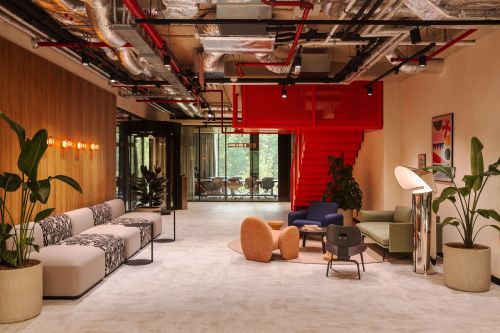
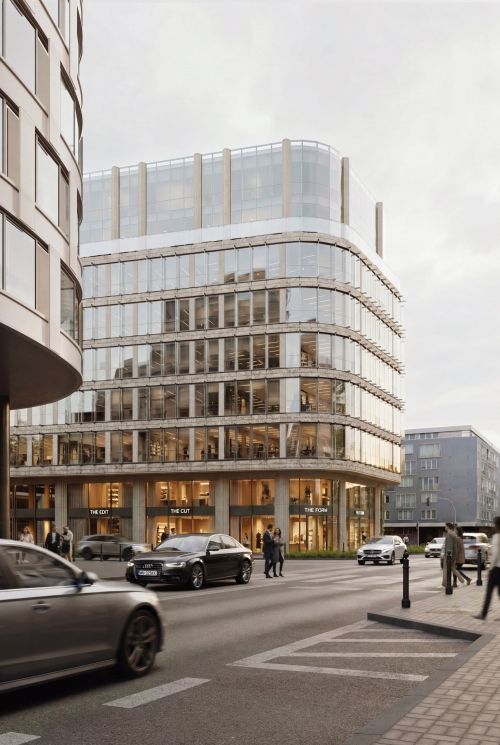
From the very beginning of my leadership at Colliers, I’ve focused on agility as a core operational principle – it enables us not only to anticipate trends but also to respond quickly to the evolving needs of the market. A good example of this is our approach to flexible working – and we implemented this even before the pandemic, which allowed us to transition seamlessly to remote work during the lockdowns. At the same time, we supported our clients in adapting their offices to hybrid models and optimising their space. These experiences, together with the insights from the annual Hybrid Work Insights studies by our Colliers Define experts, led to the development of our Newffice concept, which we implemented in our new headquarters at The Form in Warsaw. This concept treats the office as an ecosystem where flexible workspace, adapted to various working styles, is integrated with technology and sustainable solutions to create a healthy environment for effective hybrid work. Since the beginning of my career, I’ve actively promoted the potential of our region – initially Poland, and now the entire CEE. The outbreak of the war in Ukraine further reinforced these efforts – which is why I established an investment incentives department at Colliers to support those investing capital within the region. Among the team’s recent successes is the collaboration between experts from Poland and Hungary in selecting a location and securing funding for a new manufacturing plant in Hungary for Zoomlion – a global leader in construction and agricultural machinery. Amid all the rapid and tech-driven developments in real estate, the human factor remains the most important to me. A particularly impactful moment for me was receiving a best employer of the year award, based on our employees’ engagement levels. This recognition meant a great deal to me, because it confirmed that the organisational culture we’re building together truly works. Since then, we’ve been awarded the title of investor in human capital every year – and that, to me, is the most meaningful accolade of my career. Because even the most advanced technologies and strategies mean nothing without the people who create them, develop them, and give them value.


How would you assess the current state of the market? What factors are shaping it the most – technology, AI, ESG, or perhaps something else?

The real estate market is currently at a dynamic stage of development. We’ve already touched upon sustainability, digital technology and artificial intelligence – companies that fail to embrace them may soon find themselves losing their competitive edge. At the same time, economic and geopolitical factors – such as tariffs, interest rates and inflation – are having a strong influence on investor decisions, both in terms of asset acquisitions and launching new projects. Given the current macro-political context, we’re seeing growing interest in infrastructural investment – these are resilient assets that support energy and water independence and align with sustainability principles. It’s important to remember that real estate is a cyclical market – its periods of growth alternate with slowdowns, and each phase brings new challenges and opportunities. Regardless of the stage in the cycle, Poland remains an attractive market for foreign investors – thanks to its stable economy, strategic location, high-quality real estate stock and solid macroeconomic fundamentals. The projected GDP growth of 3.4 pct annually, the steady inflow of foreign direct investment, low unemployment, and increased infrastructure financing, all confirm that Poland is increasingly positioning itself among mature markets.


And finally, what does the future hold? What might we be talking about when the 600th issue of ‘Eurobuild’ is published?

I believe that by the 600th issue of ‘Eurobuild’, we’ll be discussing a real estate market with an entirely new face. Given the unprecedented pace of technological development – especially in AI, which is revolutionising many areas, including property management, predictive analytics and workplace efficiency – it’s hard to imagine what will be possible in just a few years, let alone two decades from now. Still, let’s take a glance into the future. I think that smart cities will no longer be a futuristic vision but a part of everyday life. Integrated traffic management systems, green energy and e-mobility will transform how urban space functions. In response to demographic shifts, we’ll also see growth in the senior living sector – combining comfort, healthcare and social activity. I hope that REITs, so long anticipated by the real estate market, will have become standard by then. Their availability and variety will open up new investment opportunities for individuals and improve financial liquidity across the sector. I also anticipate that Polish capital will have a much greater presence in investment volumes across the CEE region – and even Europe as a whole. I believe that the very concept of ownership may also evolve. New property usage models, such as co-ownership, flexible lease options and ownership without traditional land registries, will likely gain in popularity. People will no longer view property as a static asset but as a dynamic element that can be adapted to changing lifestyles. From an investment perspective, I’m confident the CEE region – and particularly Poland – will remain at the forefront of innovative real estate markets, and we, as advisors, will be taking an active part in that transformation.

Categories

Your order
Your data
Number of access accounts
Each account provides independent access on one device. You will be able to create additional access accounts in the account settings.
Invoicing data
Order summary
Net price
Access accounts #
Net order
VAT (%)
Gross order
Payment security is ensured

Don`t miss out the current edition