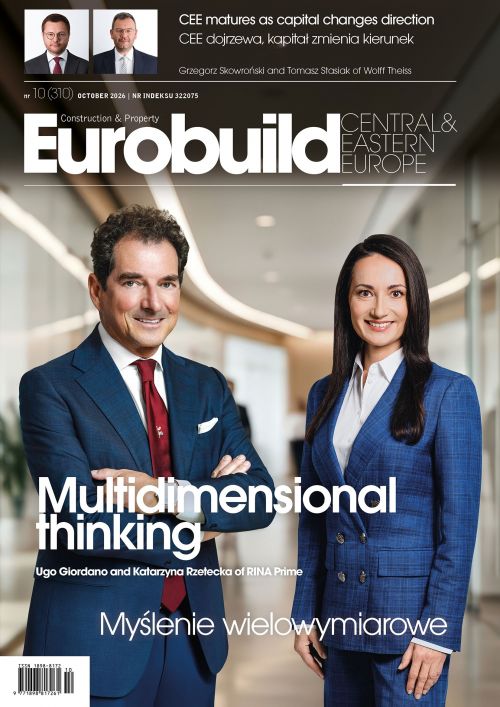










A cautious optimist
Interview 300
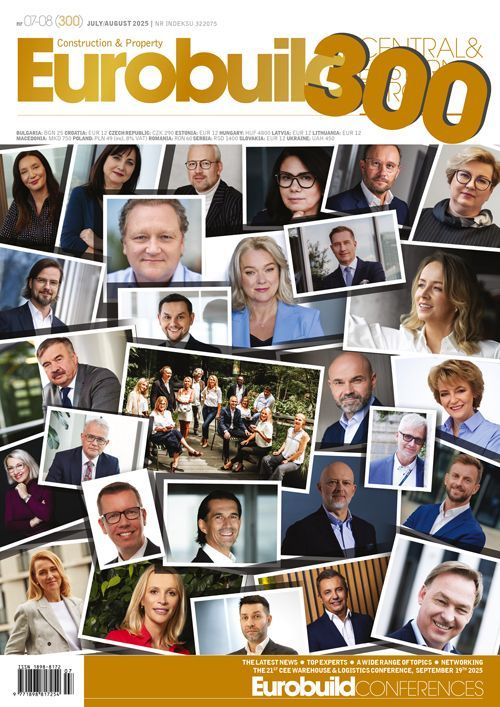
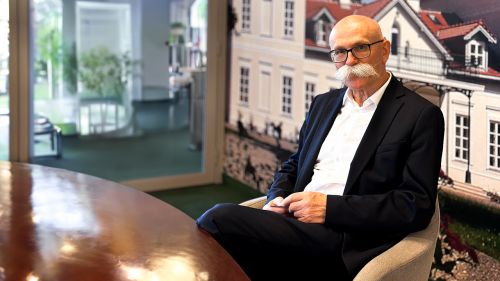
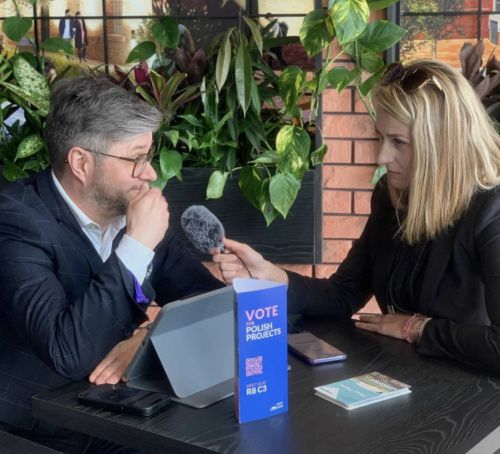
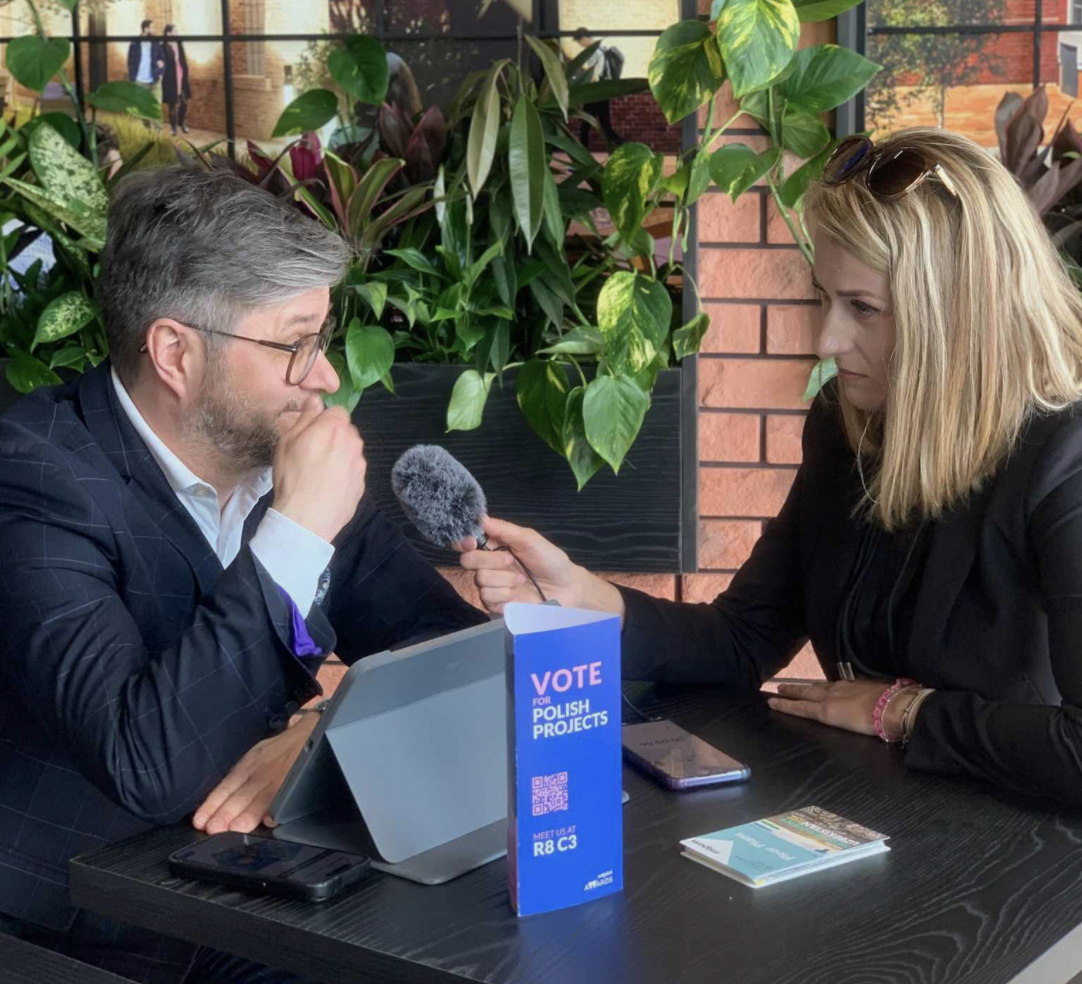
Kamil Kowa has over 20 years of real estate market experience, including in capital and transaction advisory and real estate valuation. Since January 2024, he has been the managing director of Savills. In this role, he is responsible for business development on the Polish market, strengthening the company’s position in the CEE region, and developing cooperation within regional structures. Kamil oversees the strategic activities of all business lines and the development of the portfolio of services offered by Savills.
The market has been continually evolving and undergoing various transformations. From your experienced perspective, how do you assess the changes that have taken place? Where have the most spectacular transformations occurred?
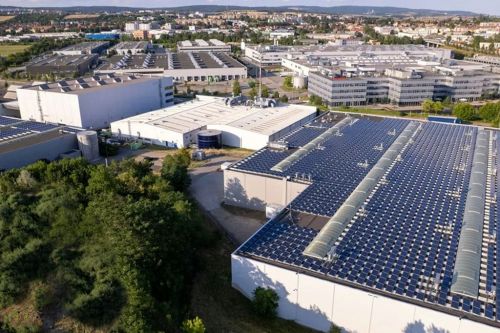
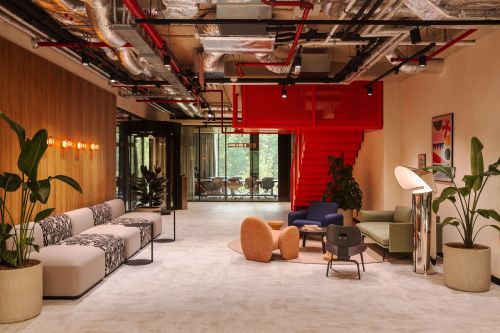
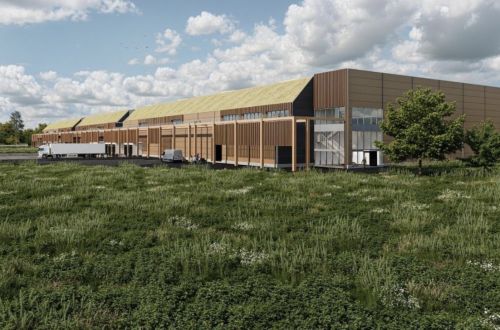
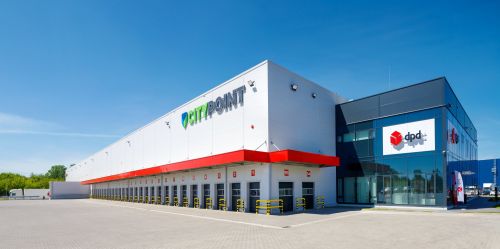
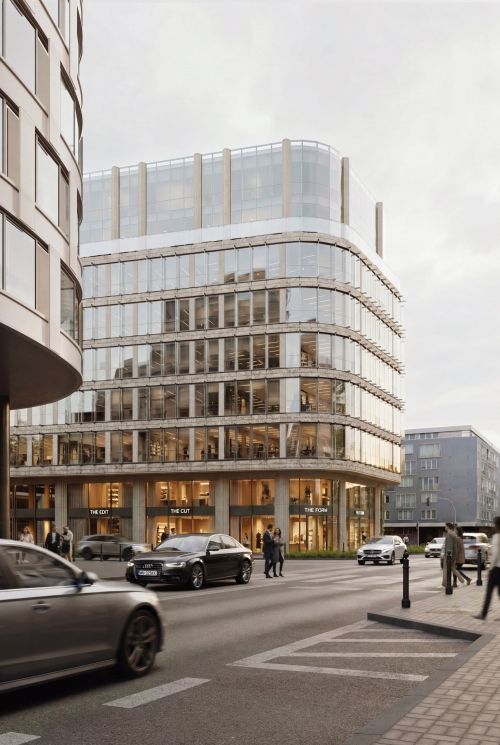
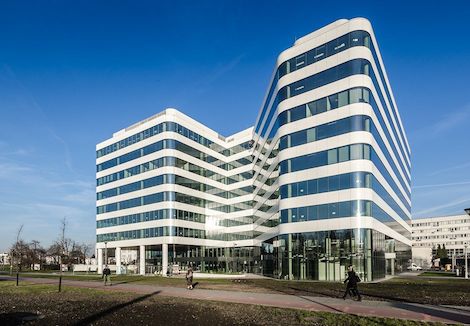
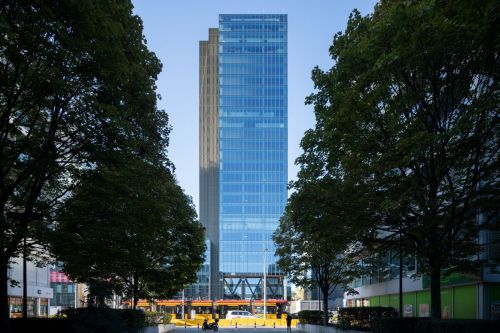
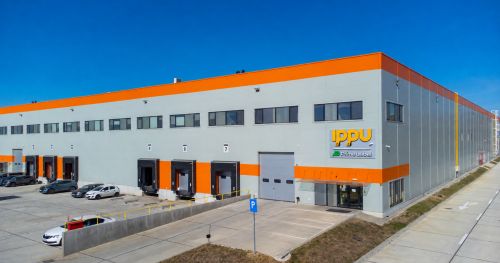
Kamil Kowa, the managing director of Savills Poland: The warehouse sector has experienced the most spectacular growth – expanding more than twentyfold from 1.6 mln sqm in 2004 to over 35 mln sqm today. Furthermore, it’s no longer limited to traditional logistics or industrial assets. We’re now seeing the emergence of new segments, such as self-storage and data centres, driven by shifting consumer behaviours and technological advances. The office sector has changed significantly, particularly in regional cities, where the supply has grown by over 800 pct, fuelled by the development of shared service centres, among others. This is also one of the current challenges in these markets, as post-pandemic shifts in demand have led to relatively high vacancy
Already have an account? Log in
76% of content remaining
Unlock full access to the edition
PLN
EUR




EurobuildCEE magazine
Access to EurobuildCEE edition online & flipbook
Current edition
Annual subscription
You save 23% when paying annually
Monthly on one device. Annual payment
Monthly on one device. Monthly payment
Choose
Access includes
- Access to EurobuildCEE magazine edition online & flipbook version
Most popular
EurobuildCEE magazine & online subscription
Access to all EurobuildCEE materials
Monthly
Annually
You save 17% when paying annually
Monthly on one device. Annual payment
Monthly on one device. Monthly payment
Choose
Access includes
- Access to EurobuildCEE magazine edition online & flipbook version
- Exclusive news, comments, articles and interviews with the most important market representatives and experts
- Archive containing data and information from the commercial real estate and construction market in Poland and the CEE region, collected over 27 years;
- Eurojobs
- Eurobuild FM