




Rapid response squad

Interview 300
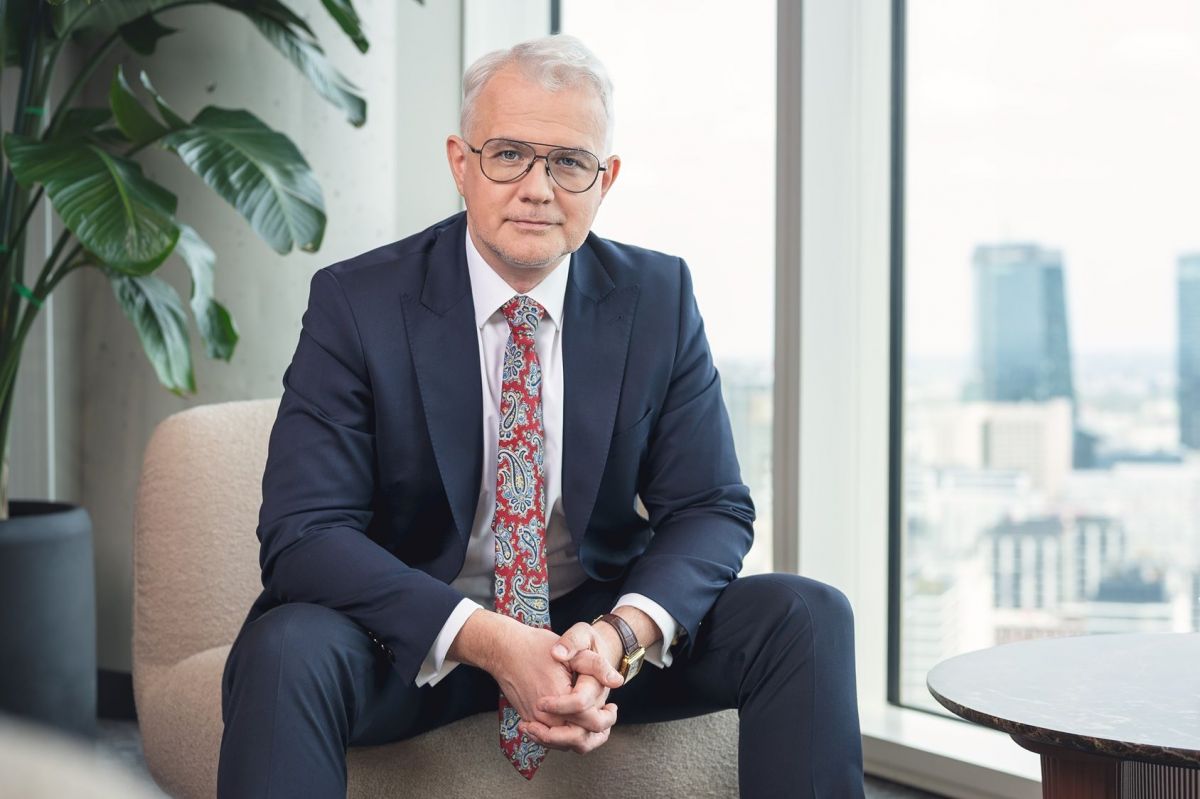
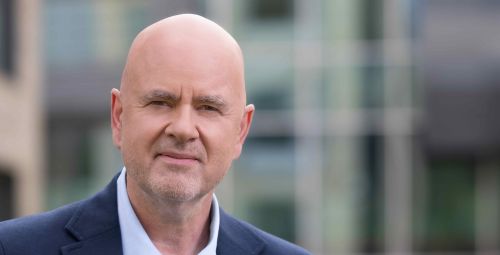
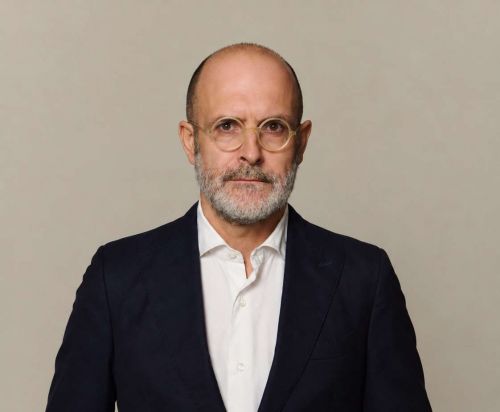
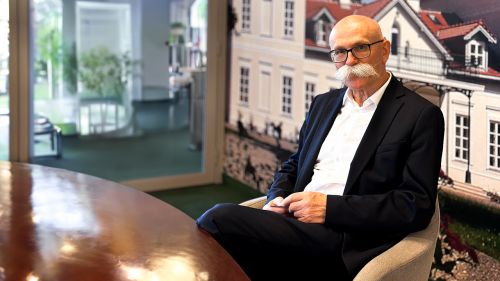
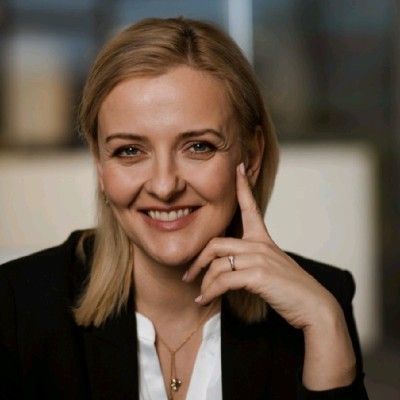
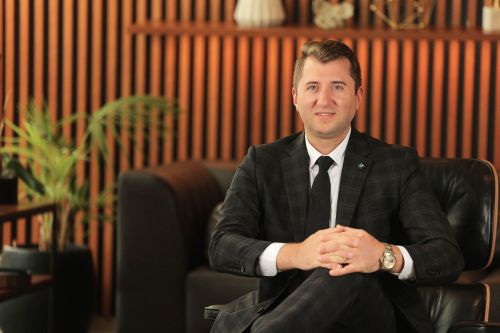
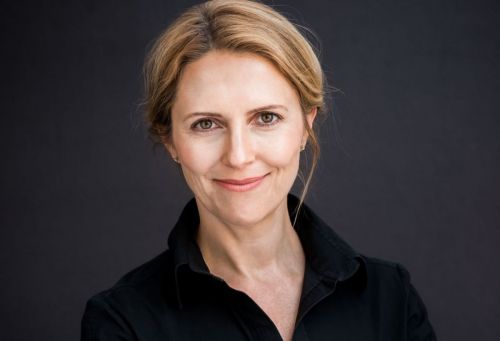
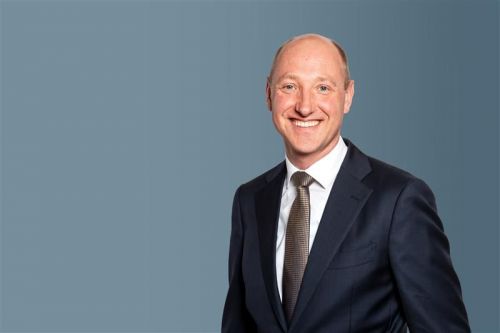
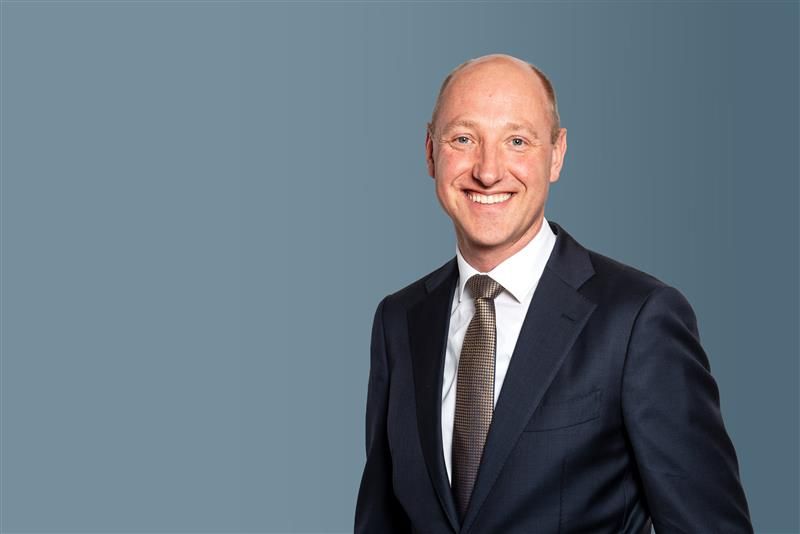
Mateusz Bonca has many years of experience in management and strategic advisory for leading companies in the EMEA region. Since 2020, he has been the CEO of JLL in Poland, responsible for the firm’s local advisory services and supervising the centre of excellence for the EMEA region. Before joining JLL, Mateusz was the CEO of Grupa Lotos until 2019. In 2012–2016, he worked as a director at Deutsche Bank AG in Frankfurt am Main. Prior to this, in 2010–2012, he led consulting teams as a manager at Peppers and Rogers Group in the Middle East, and in 2004–2010 he was employed by McKinsey & Company on projects in various industries, such as in Germany, the UK, Italy, Portugal, Spain, the UAE, Bahrain, the Czech Republic, Saudi Arabia, Belgium, South Africa and Turkey.
You are reading this content because it is covered by the free limit. Buy full access!


You took on your position at JLL during a very challenging time for the market and the world as a whole. What do you recall about those early days?

Mateusz A. Bonca, the CEO of JLL Poland: The end of 2020, when I took the helm at JLL in Poland, was indeed a turning point for the Polish real estate market. The global Covid-19 pandemic, he later war in Ukraine, and the high interest rate environment exerted a massive – in some respects even revolutionary – impact on the property market in our country. Up until then, it had benefited from over a decade of uninterrupted growth, but it then suddenly entered a phase of accelerated maturity. It was clear to me that this new reality would require an entirely fresh, cross-sectoral approach. This transformation meant gradually bringing the teams within our company closer together, and supplementing our competencies in areas that are becoming increasingly important in light of Poland’s ongoing energy transition – particularly renewable energy sources. Today, we are already a market leader in photovoltaic and wind farm transactions – we offer our partners unique expertise in energy storage. The energy and infrastructure advisory team, led by Rafał Skowroński, executed a large number of transactions last year involving battery energy storage systems (BESS), onshore wind and PVs, with a total capacity of app. 1.5 GW. These deals were carried out on behalf of all major investor groups, which demonstrates our comprehensive understanding of this sector. Looking back at 2020, one of the most rewarding and motivating experiences was realising that I’d joined a culturally mature organisation that, despite facing many global-scale challenges, had retained its integrity, entrepreneurial approach to business, and deep mutual respect among all its teams. Thanks to that, adapting to the demands and characteristics of a mature market has been a smooth process. We are now seen as a reliable partner and a leader of change across many sectors of Poland’s real estate landscape.


How do you assess the current state of the commercial real estate market? Is there anything in particular that deserves attention, beyond the obvious topics like ESG?

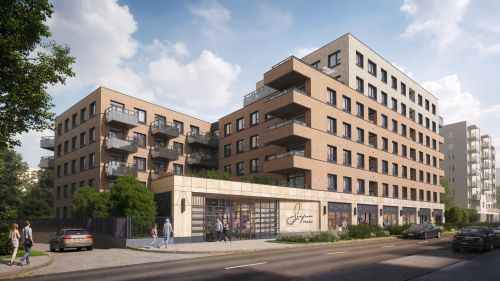
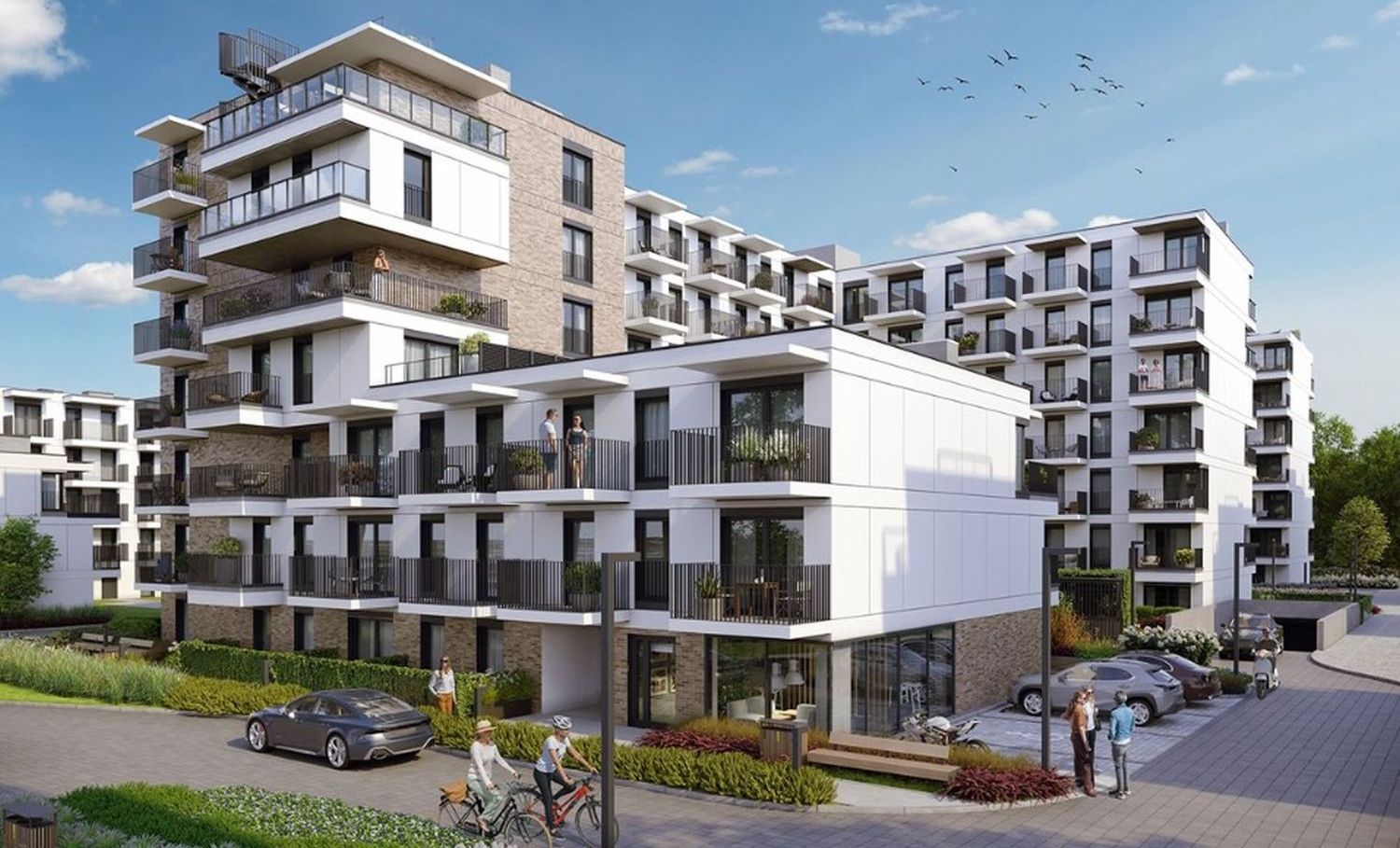
Our market has matured and is now trying to find a new equilibrium. The real challenge is no longer simply building a good commercial property – it’s ensuring that it’s commercialised in a way that remains profitable for investors. Active portfolio management has become key, enabling quick responses to market changes and maintaining competitiveness for tenants. One emerging trend that will continue gaining traction is the repurposing of real estate assets. It’s crucial to plan such changes properly and then execute them effectively. A good example is provided by one office asset in Warsaw’s Żoliborz district, owned by a longstanding client of ours. As an office property, it was no longer competitive. However, its highly attractive location in Marymont, right next to a public park and metro station, made it ideal for a premium residential investment. We advised the client to sell the property, found a buyer, and helped negotiate a very attractive price. When looking at today’s property sector in Poland, we are seeing the growing importance of advisors. Navigating an increasingly complex market requires in-depth knowledge based on practical experience, research, and analysis of the verified – and not just theoretical – data.


What do you expect in the coming months or years? Should the market always be on standby for events like pandemics? How do you view this?

The coming months for the real estate market will be marked by stabilisation and the emergence of a new balance between supply and demand. A natural consequence of aligning supply with current realities should be a reduction in vacancy rates across all regional markets in Poland. We also expect the further stratification of assets – meaning the deeper segmentation of real estate offerings. The result will be the displacement of poorly adapted buildings by more modern, more profitable ones – and the trend for functional conversion will continue to strengthen. According to our recently published report, ‘A ground-level perspective on at the real estate market’, over the past five years, around 1.1 mln sqm of existing space – including retail, office and other classes – has been converted to residential (including alternative housing projects). Offices contributed the most to this figure (a total of 0.73 mln sqm), followed by retail and service facilities (over 0.35 mln sqm). For comparison, the largest shopping centre in Poland, Manufaktura in Łódź, has around 0.13 mln sqm of space, and Westfield Arkadia in Warsaw has around 0.12 mln sqm. I am convinced that hundreds of thousands more square metres will soon undergo a change of function. Another trend we are already witnessing, and which will become increasingly important, is market consolidation. The acquisition of smaller players by larger ones, as well as mergers and joint ventures, is a natural part of the landscape in mature real estate markets – and this is precisely what we are seeing here. JLL Living recently advised residential developer Develia on the acquisition of the Polish assets of French companies Nexity and Bouygues Immobilier – among the largest such transactions in the history of our market. Further consolidations can also be expected due to succession-related issues. Of the 200 largest development companies in Poland, as many as 156 are family-owned with domestic capital. Only 30 of them are run by individuals under the age of 50. We’re seeing that younger generations often have different ideas for their lives than continuing the family business, which means that for many owners, finding a buyer or partner may become an urgent need. I also anticipate the growing popularity of new forms of capital and activities aimed at releasing equity for Polish businesses. This will enable them to accelerate the growth and scale of their operations. We recently advised one of Poland’s largest companies in the sale of two production facilities to a Western investment fund for over PLN 1 bln, while simultaneously leasing them back. This was the largest sale-and-leaseback deal in the history of Central and Eastern Europe. It allowed the seller to successfully unlock capital for use in further development projects. I am certain that we will see many more such decisions in the years to come.

Categories

Your order
Your data
Number of access accounts
Each account provides independent access on one device. You will be able to create additional access accounts in the account settings.
Invoicing data
Order summary
Net price
Access accounts #
Net order
VAT (%)
Gross order
Payment security is ensured

Don`t miss out the current edition