



I’m at work. And I’m happy!

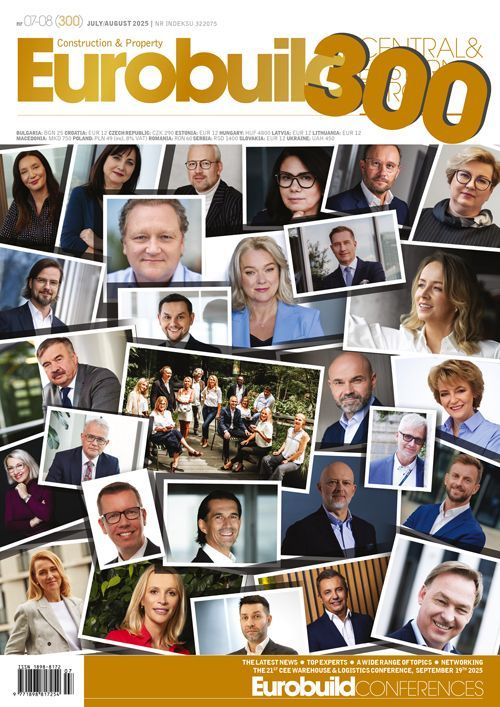
Interview 300
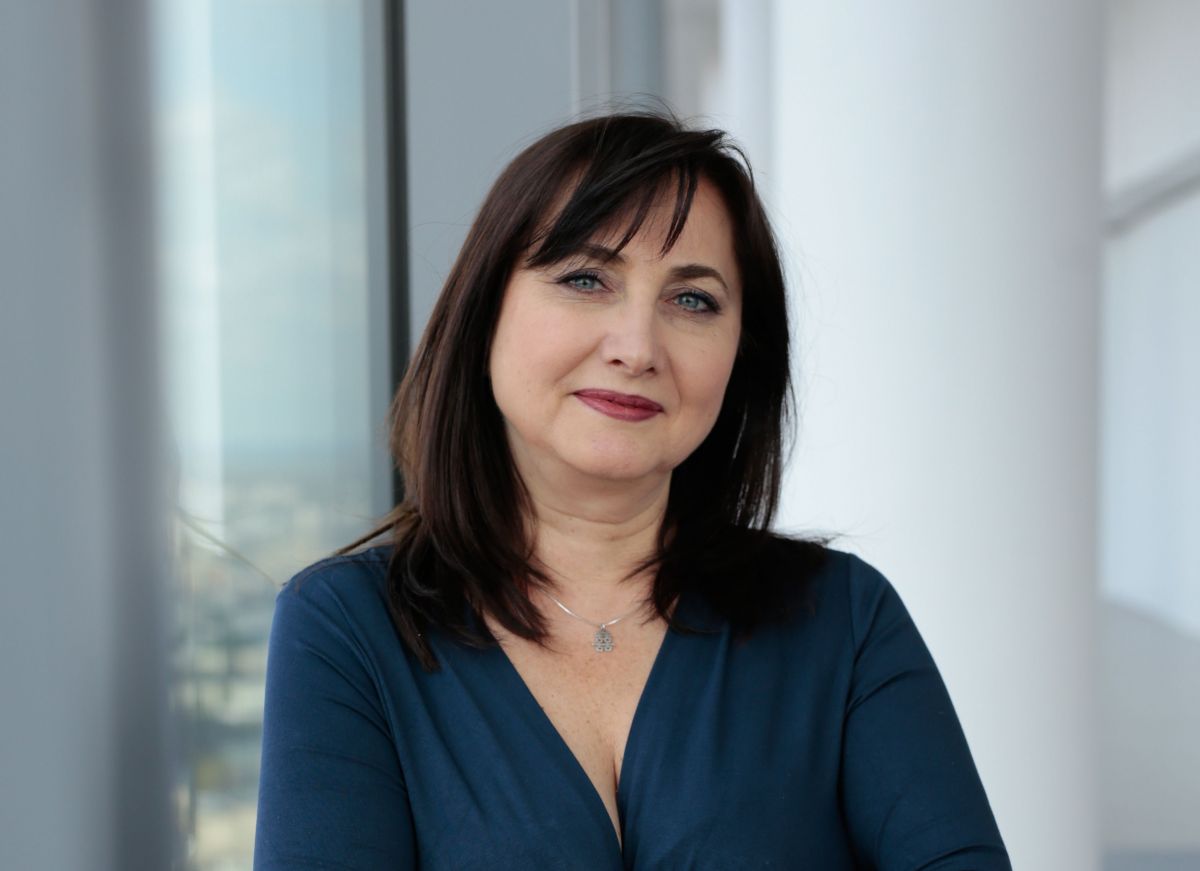
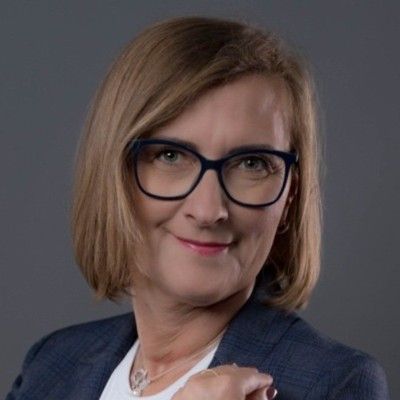
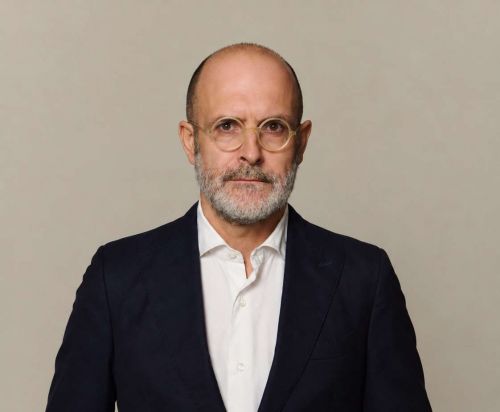
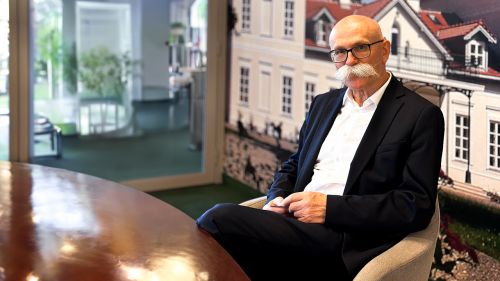
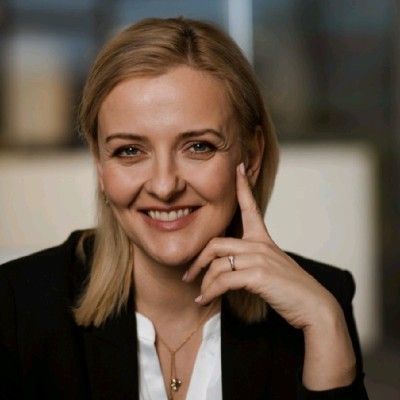
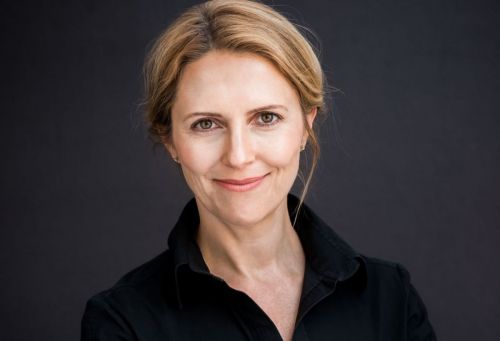
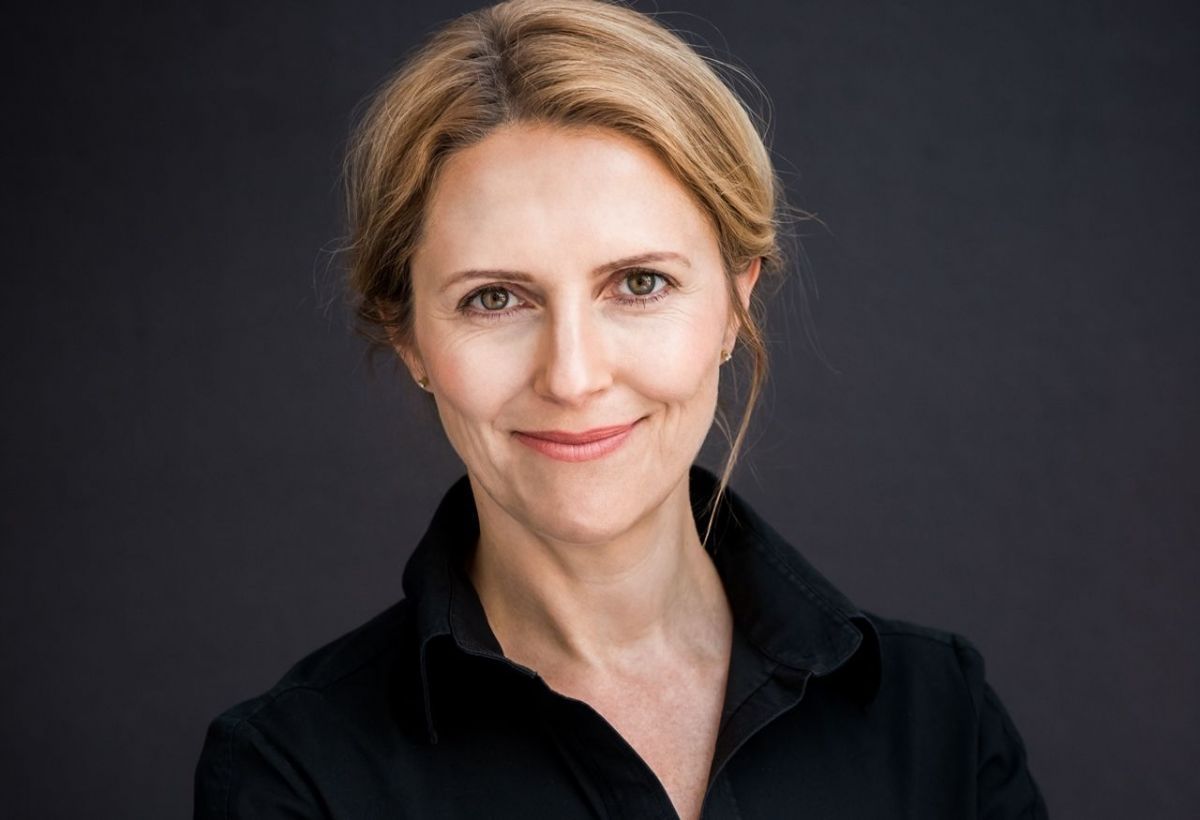
Małgorzata Poręba is the director of ULI Poland, where she leads the organisation’s mission to shape the future of the built environment to achieve a positive transformation for communities worldwide. She is responsible for strategic development, programme design, member engagement, and fostering collaboration across the real estate sector in Poland. During her career, she advised leading international and Polish organisations and held senior positions at the Polish Real Estate Federation, Polish MS Society, Century 21 and ‘Eurobuild’.
You are reading this content because it is covered by the free limit. Buy full access!

With so many years of working in this market, you’ve seen things from different sides of the barricade. How do you, as someone with such extensive experience, assess the current state of the Polish commercial real estate market? In your view, which sector has seen the most development over the past decades, and which have maybe lagged behind the others?

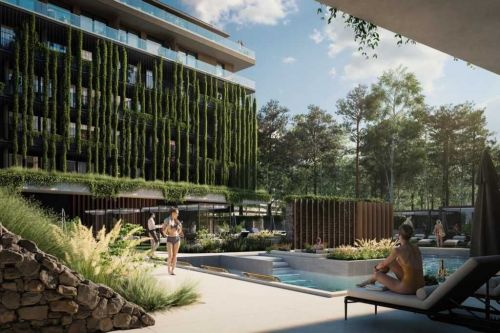
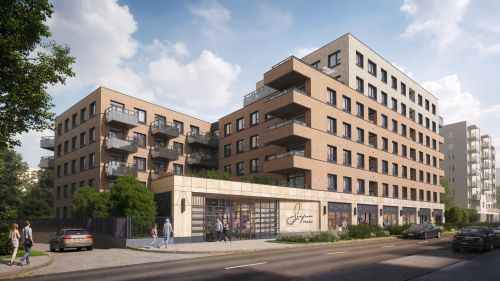
Małgorzata Anna Poręba, director, ULI Poland: On the one hand, the market today is in adaptive mode – grappling with a new economy, the redefinition of asset values, and both climate and societal changes. On the other hand, we’re seeing a maturity and readiness within the industry to test new models of operation. It’s a moment when creativity, flexibility and investment responsibility truly become important advantages. If I had to identify the sector that has undergone the biggest transformation over the past two decades, it would undoubtedly be living – the residential market in its broadest sense. In the ‘Emerging Trends in Real Estate’ report published by ULI and PwC back in 2004, living was treated as a single, aggregated asset class; whereas, in the 2025 edition, six out of the ten highest-rated investment sectors are in this area – from PRS and student housing, through senior living to co-living and affordable housing. This reflects not only the scale of diversification within this market but also the growing awareness among investors of the importance of social and demographic factors. The mixed-use sector is also growing rapidly – both in terms of individual projects and entire urban districts. Increasingly, we’re talking about development that integrates residential, office, retail, educational, sports and entertainment functions. This is no longer just a design trend – it’s a cultural shift. Gensler aptly refers to such places as experience-driven lifestyle districts – urban anchors that foster local communities and support sustainable development.


What do you consider to have been the most groundbreaking event for the functioning of the market?

There have been several moments that significantly changed the way we think about real estate. The Covid-19 pandemic was undoubtedly one of them – almost overnight it reshaped the way we use office, residential, and retail space. It was then that we began to re-examine questions surrounding health, resilience, and the flexibility of buildings and cities. Another turning point was the Paris Agreement – a document that set a very clear direction for climate and ESG-related action. From that moment on, sustainability ceased to be a ‘nice to have’ – it became a requirement, also from the point of view of institutional capital. And finally, the 15-minute city concept, which redefines the very notion of location value. This isn’t just an urban planning model – it’s the vision of a city that is accessible, functional, inclusive and supportive of local communities.


ULI is an international organisation. How do you view the Polish market compared to, let’s be honest, the still somewhat more developed West? Where do we still need to catch up?

In many areas, Poland hasn’t just caught up with the West – we’ve often overtaken it. We have one of the most rapidly developing economies in Europe, with a highly modern property stock and a high level of team professionalism. The pace of adaptation to global trends, the quality of design, the availability of data, and ESG awareness – all of these work in our favour. But there are also areas where we still have the potential to bridge the gap. One of these is the circular economy and so-called regenerative development. In Poland, we still lack examples of successful building conversions carried out in this spirit, whereas in Western Europe and the US, it is increasingly becoming common practice. The senior housing sector also requires particular attention – not in the traditional format of care homes, but in the form of modern, inclusive residential projects for older adults. In Western Europe, intergenerational models are being developed that support the independence of seniors and strengthen their role within local communities. In Poland, this topic is still only on the margins of urban discussions, even though the demographic data leaves us in no doubt that the need for this will only grow. And finally, affordable housing. This is a topic that is taking on increased importance, cropping up more and more frequently in public debate, but we’re still at the conceptual stage. We lack consistent, long-term solutions – both legal frameworks and investment incentives, as well as cooperation models between local authorities, the private sector, and civil society organisations. This is not only a social challenge but also a strategic area for urban development and balancing the housing market.


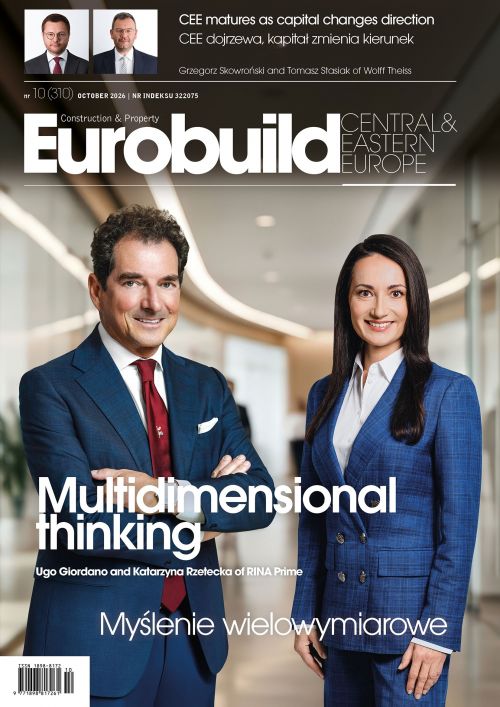
Some of our readers may be aware that you once worked at ‘Eurobuild’, so you’re also one of those people who have contributed to reaching the milestone of our 300th magazine issue. What’s your fondest memory from your ‘Eurobuild’ days?

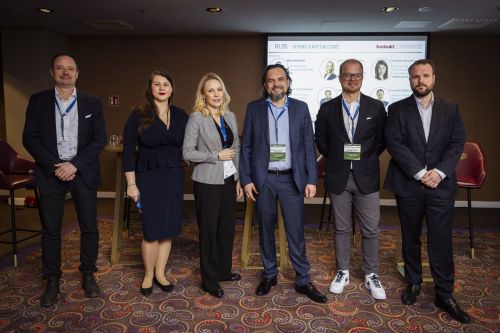
I was with ‘Eurobuild’ for around seven years. Officially, I managed the conference department, but in practice I worked side by side with all departments. We created a truly close-knit team that built the brand’s recognition and strength together. I have many fond memories. What stands out most is the atmosphere – a strong sense of belonging, mutual support, and an incredible energy for action. One moment, in particular, has stayed with me. The golf tournament in Naterki – the players had already taken to the course, and so, after a full week of preparations, I finally sat down in a chair, looked up at the cloudless sky, and thought to myself: I’m at work. And I’m happy.

Categories

Your order
Your data
Number of access accounts
Each account provides independent access on one device. You will be able to create additional access accounts in the account settings.
Invoicing data
Order summary
Net price
Access accounts #
Net order
VAT (%)
Gross order
Payment security is ensured

Don`t miss out the current edition