





Poland’s rise to prominence
Interview 300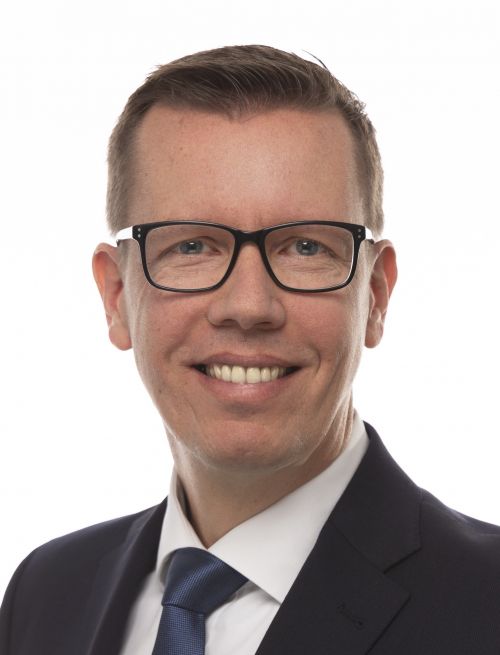
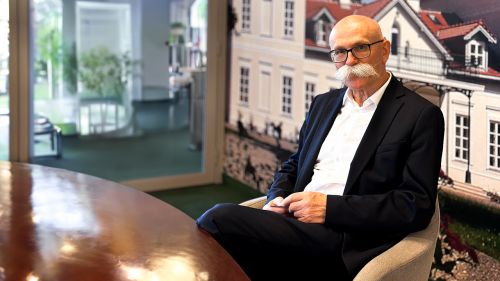
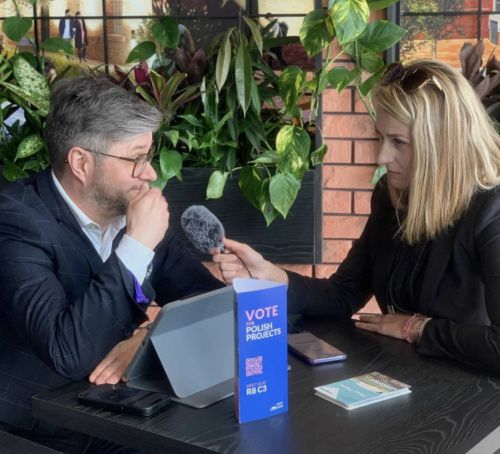
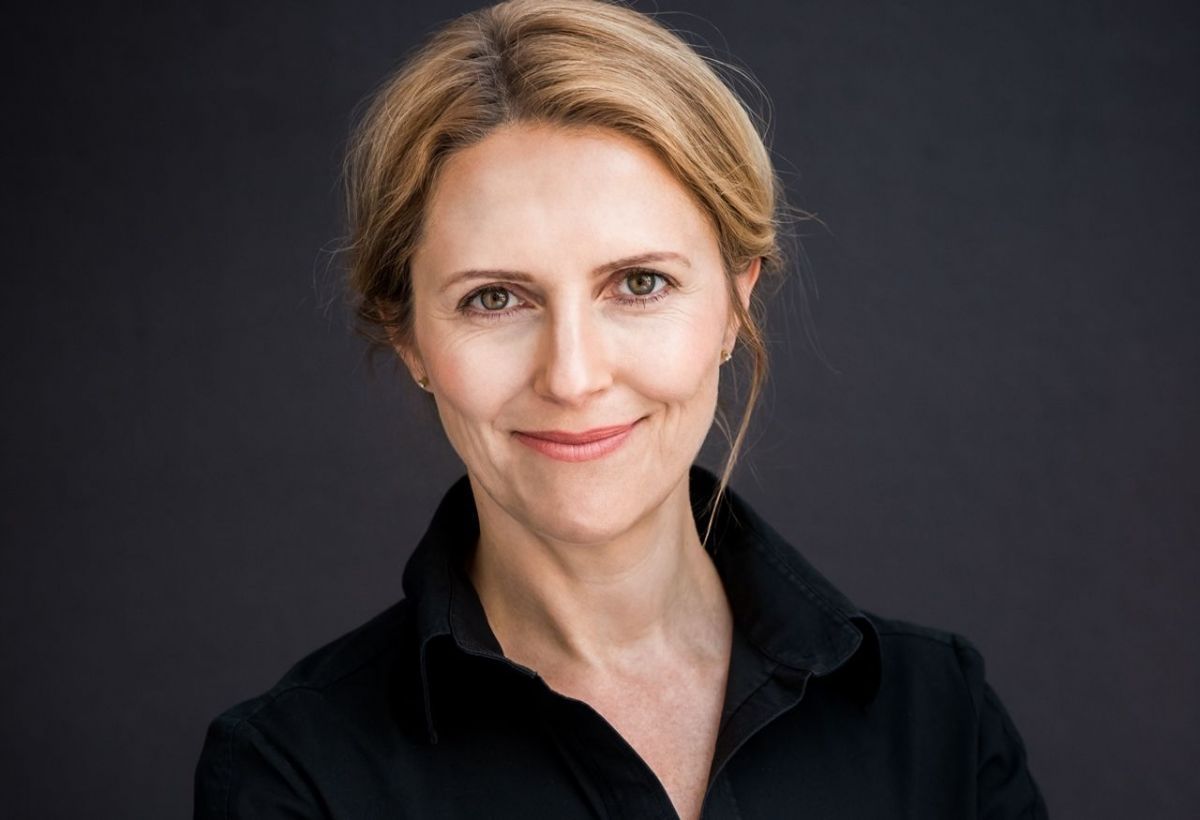
Dieter V. Knittel is a highly experienced international professional with over 25 years of experience in the global financial sector. He has a track record in commercial real estate debt origination and credit structuring with strong leadership skills. He is the managing director and head of international real estate finance for Central and Eastern Europe at Pbb Deutsche Pfandbriefbank, responsible for the bank’s lending portfolio in the region. The regional focus is on Poland, Czech Republic, Slovakia, Hungary and Romania. He has been active in the CEE market for more than twenty-five years, including five years based in Warsaw as head of credit and senior risk management.
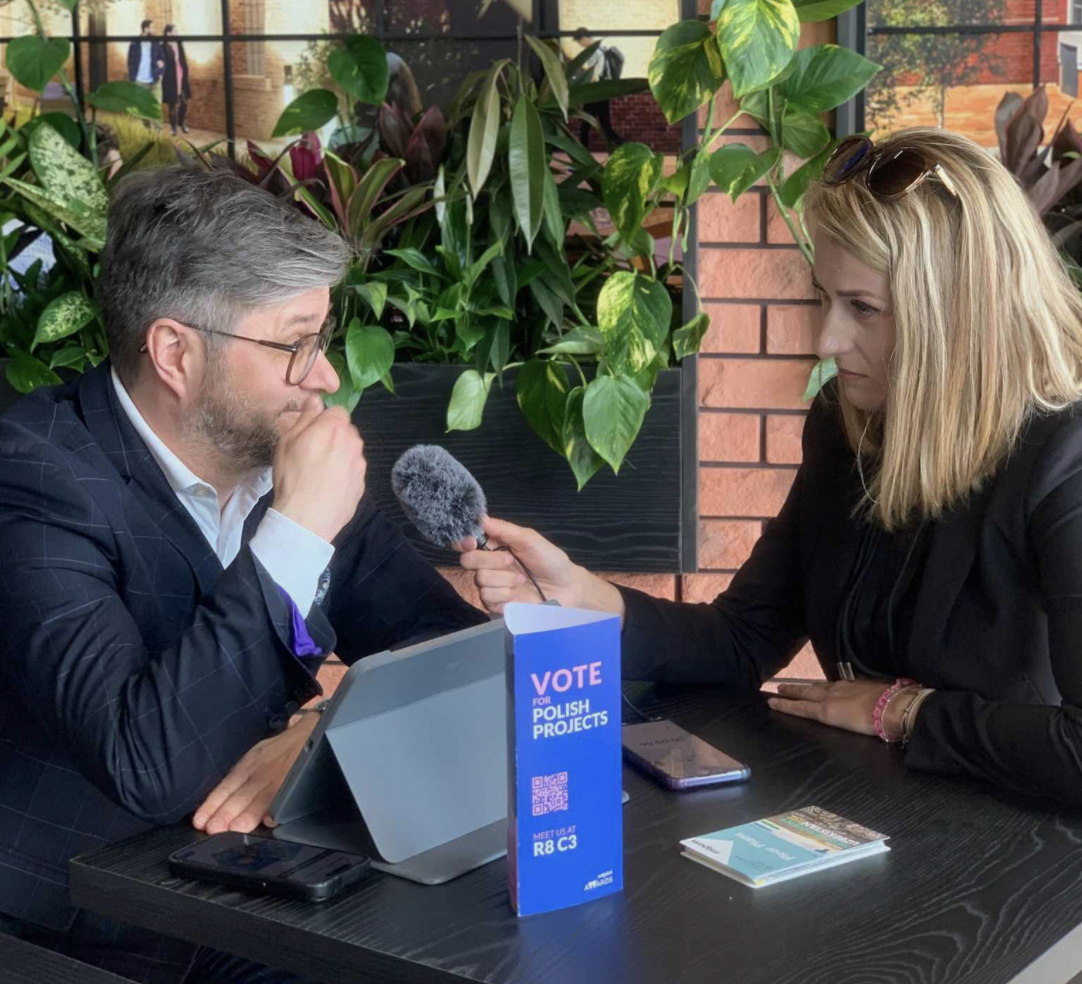
From the perspective of a company in the financial sector, how would you assess the current state of the Polish commercial real estate market? How does it differ from those in the West – especially, in your experience, Germany?
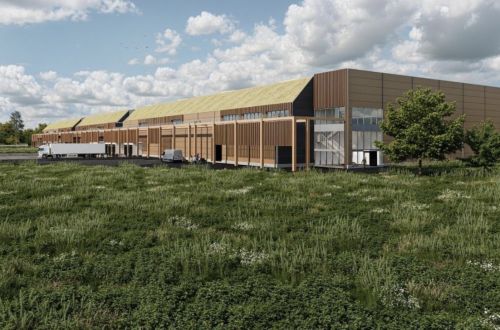
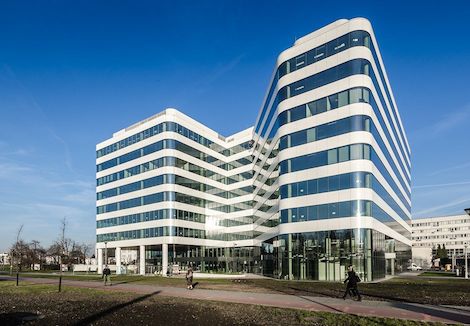
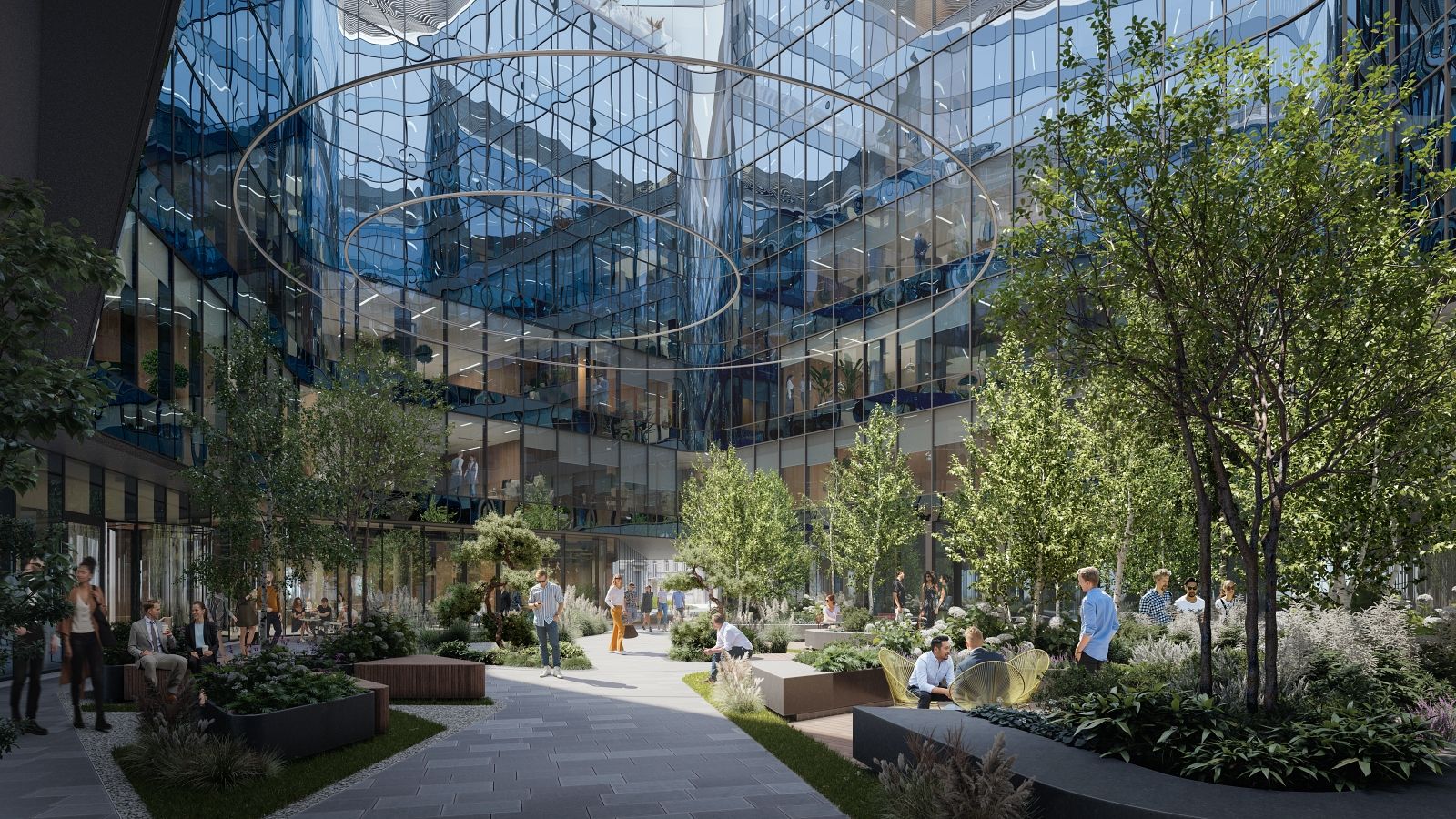
Dieter V. Knittel, the managing director and CEE head of Deutsche Pfandbriefbank AG: The commercial real estate market in Poland started to pick up earlier than some of the other European markets, primarily due to its historically higher yields, which allowed a faster alignment of price expectations. A number of new green buildings across Poland now fulfil important ESG requirements. And so, the CEE region performs better than some other European markets in terms of notable transactions in the office and retail sectors. We like Poland very much, as it’s the dominant CEE market, and we plan to carry out several new transactions here this year.
What has changed the most over the last 25–30 years?
Poland has become a more mature market in Europe an
Already have an account? Log in
63% of content remaining
Unlock full access to the edition
PLN
EUR




EurobuildCEE magazine
Access to EurobuildCEE edition online & flipbook
Current edition
Annual subscription
You save 23% when paying annually
Monthly on one device. Annual payment
Monthly on one device. Monthly payment
Choose
Access includes
- Access to EurobuildCEE magazine edition online & flipbook version
Most popular
EurobuildCEE magazine & online subscription
Access to all EurobuildCEE materials
Monthly
Annually
You save 17% when paying annually
Monthly on one device. Annual payment
Monthly on one device. Monthly payment
Choose
Access includes
- Access to EurobuildCEE magazine edition online & flipbook version
- Exclusive news, comments, articles and interviews with the most important market representatives and experts
- Archive containing data and information from the commercial real estate and construction market in Poland and the CEE region, collected over 27 years;
- Eurojobs
- Eurobuild FM