




Change is on the horizon

Interview 300
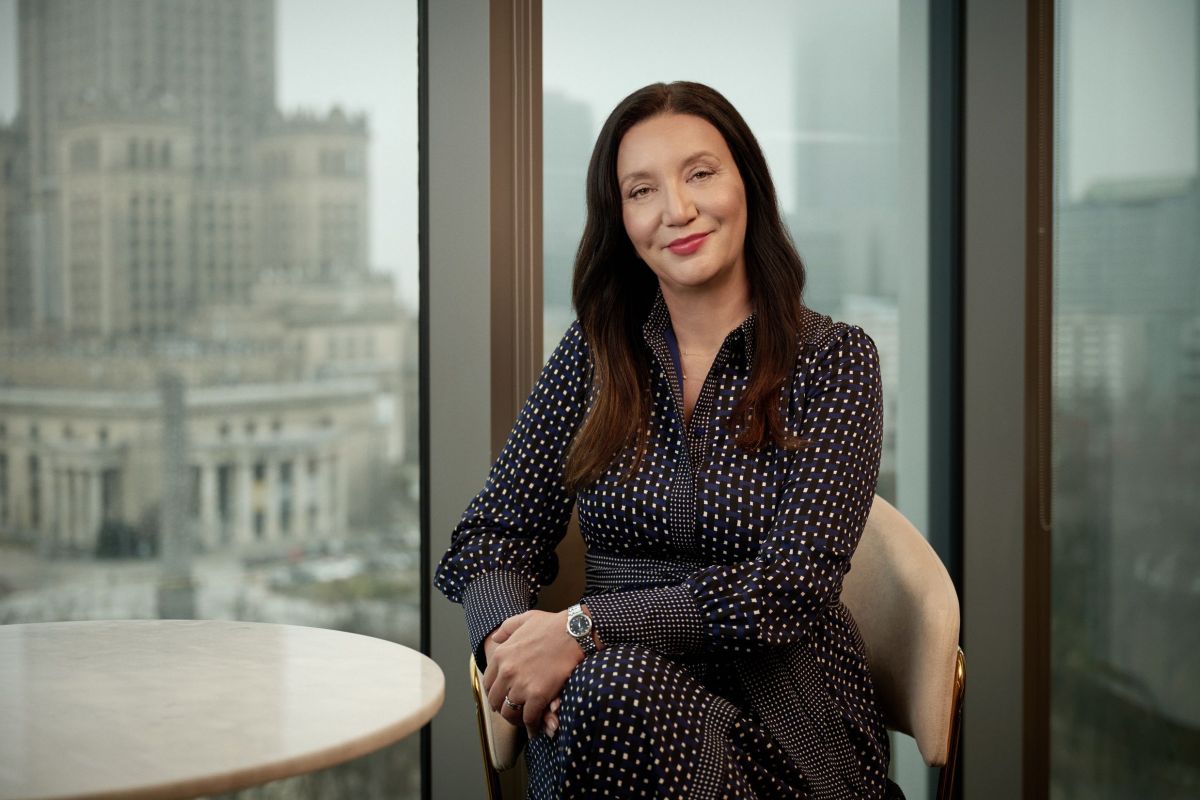
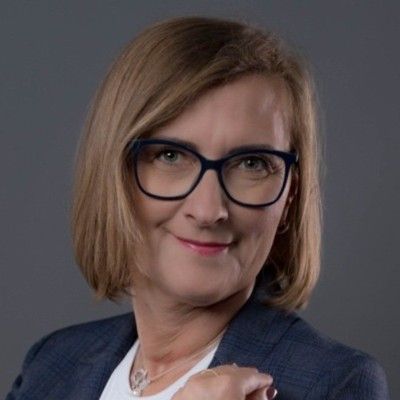
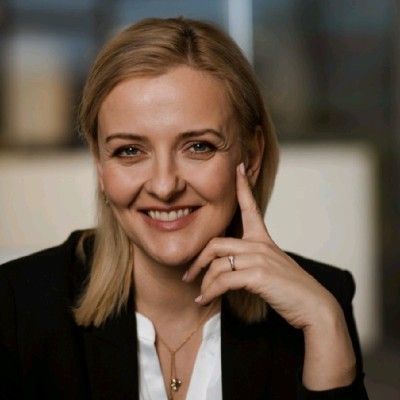
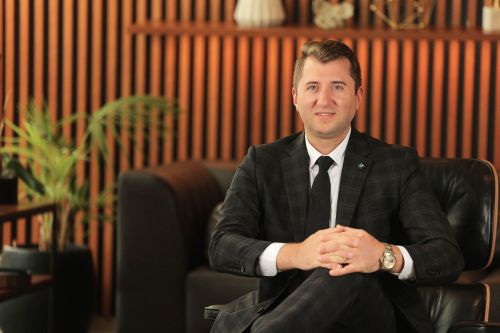
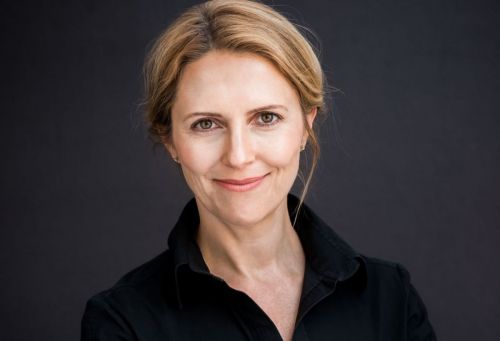
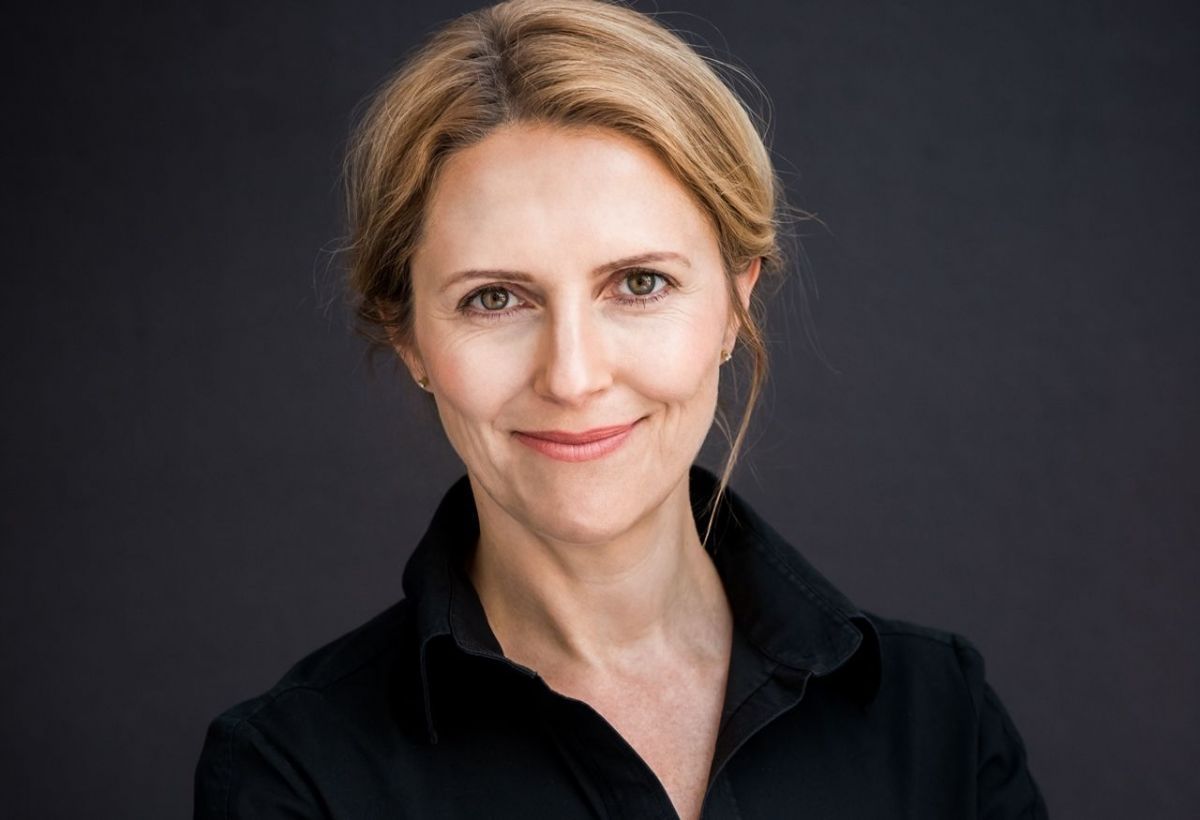
Magdalena Szulc has been employed by Segro since the beginning of the company’s operations in the CEE region in 2005. She began her role in the company as a regional director. From 2008 to 2009, she held the position of country manager. Since 2009, she has been responsible for the company’s Central Europe operations as the managing director for Poland and the Czech Republic. She is responsible for implementing the company’s strategy based on the development and expansion of the logistics portfolio and industrial properties in key locations. Magdalena has over 20 years of real estate sector experience and holds an RICS certificate.
You are reading this content because it is covered by the free limit. Buy full access!


How would you assess the current state of the Polish commercial real estate market, particularly from Segro’s logistics sector perspective? What are the biggest forces shaping its direction?

Magdalena Szulc, the Poland and Czech Republic managing director of Segro: Poland’s modern warehouse stock has now exceeded 34 mln sqm, and the market is gradually entering a phase of mature stabilisation. Our country’s central location on the map of Europe, combined with ongoing improvements in road infrastructure, has opened the door to dynamic growth in the logistics sector. We also benefit from competitive rental rates – especially compared to markets like Germany – as well as relatively lower labour costs. Another important driver of growth has been Poland’s economic development: the GDP per capita, which in 2004 was only 51 pct of the EU average, but reached 80 pct in 2024. Ultimately, it’s our clients and their evolving needs that have the greatest influence on market trends. In Poland, warehouse space is predominantly used by logistics companies looking to optimise their operations holistically across broader networks, as well as by the e-commerce and manufacturing sectors. These businesses must comply with evolving EU legislation, including the increasingly stringent carbon reporting obligations. As a result, sustainability is playing an ever-larger role – not only in warehousing itself but also in how clients plan their supply chains. We’re also seeing a growing reliance on automation and the adoption of innovative technologies that support sustainable construction practices. Of course, the broader geopolitical and macroeconomic environment continues to have a major impact on the sector. But, in truth, since the pandemic, we’ve been in a constant state of anticipation – preparing ourselves for change as best we can.


How much has the sector changed over the past two to three decades? Based on Segro’s experience, what was the key trend at the end of the 20th century, and how does it compare with where the market stands today?

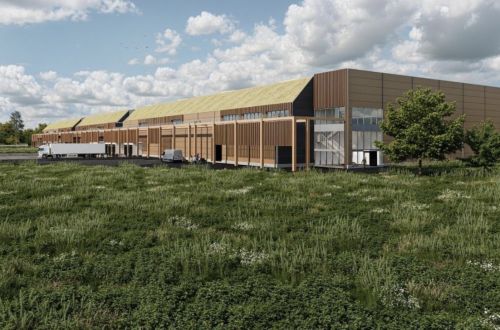
In Poland, commercial real estate only began to take shape after the fall of the previous political system – it was an entirely new sector at that time. Over the last 20 to 30 years, we’ve witnessed a dramatic transformation: from basic, makeshift storage facilities, to a fully matured market, built on solid standards and playing a vital role in every area of the domestic economy. At the end of the 1990s, the main trend was simply to construct modern warehouses. Today, the focus is entirely on developing them in line with sustainability principles. The transformation can be seen not so much in the external appearance of the buildings, but rather in what’s inside: the fit-outs, the equipment and the technical innovations. One of the key changes has been the technological shift – we are seeing the widespread implementation of such tools as BIM (building information modelling) and BMS (building management systems), which support sustainable design and construction. Energy efficiency is also becoming increasingly important, which means the greater use of features like enhanced insulation, photovoltaic panels and heat pumps. In addition, we are seeing significant growth in the urban warehousing segment – a concept that has long been part of Segro’s portfolio in other parts of Europe and is now beginning to gain traction in Poland. Prime examples of these are our parks in Warsaw’s Żerań, Okęcie and Ożarów districts.


Segro is a company with vast international experience and a passion for innovation. I remember you showcasing a two-storey warehouse in France some years ago. What other innovations could be brought into our market? Are you working on anything new at the moment?

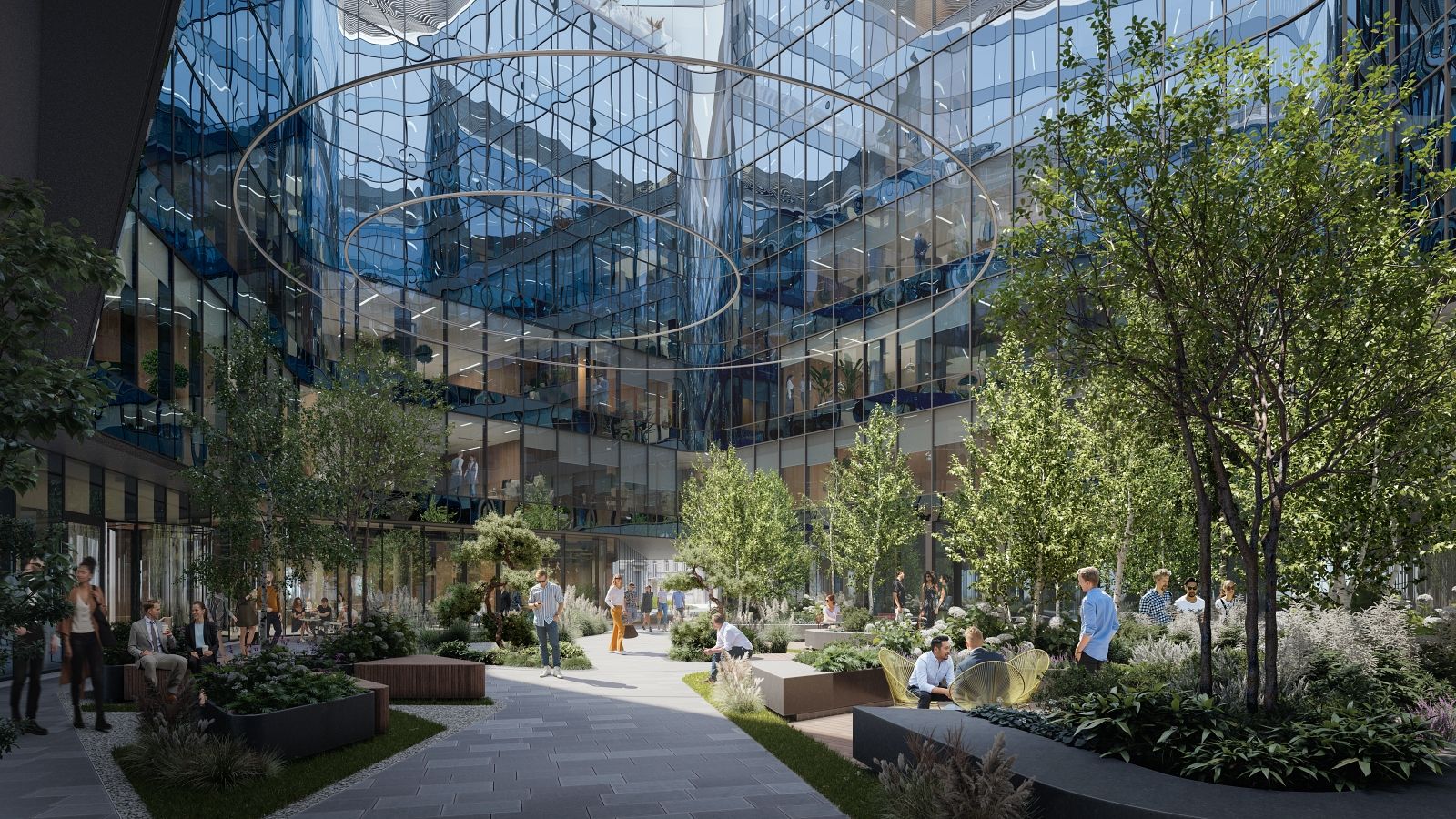
There is a growing need to develop the urban warehouse segment, particularly small business units (SBUs), which are closely linked to the well-known 15-minute city concept – in which industrial and warehouse space plays an integral role in the urban fabric. One of our most recent urban projects is Segro Centre Paris Les Gobelins, a logistics hub developed on the site of a former railway station in the 13th arrondissement of Paris. The main goal of this development is to facilitate sustainable last-mile delivery within a large metropolitan area. Investing in such assets aligns with our ‘Responsible Segro’ programme. We also see tremendous potential in data centres. Segro has significant pan-European expertise in delivering these types of facilities. Europe’s largest data centre hub is located in our Slough Trading Estate near London. We are currently working to transfer our UK-based know-how into continental Europe – and we possess real potential to do so, not only in terms of strategically located land banks in urban areas, but also thanks to our highly skilled internal teams.


And finally, do you have any memorable moments when it comes to cooperating with ‘EurobuildCEE’ over the years? There’s been quite a lot of collaboration: market news, expert commentary, articles, and attending our events…

Eurobuild has built a strong position in providing expert opinion as a pioneer in this sector and through consistently maintaining a high standard of content, promoting professional and relevant knowledge for the commercial real estate sector. For many years, I’ve also appreciated Eurobuild’s conferences and events, which are always well-organised and provide a valuable platform for knowledge sharing and industry networking. One particularly memorable event for me was one of the very first conferences held in the Masurian lake district – it was a real pleasure to take part in it.

Categories

Your order
Your data
Number of access accounts
Each account provides independent access on one device. You will be able to create additional access accounts in the account settings.
Invoicing data
Order summary
Net price
Access accounts #
Net order
VAT (%)
Gross order
Payment security is ensured

Don`t miss out the current edition