




The best is yet to come!

Interview 300
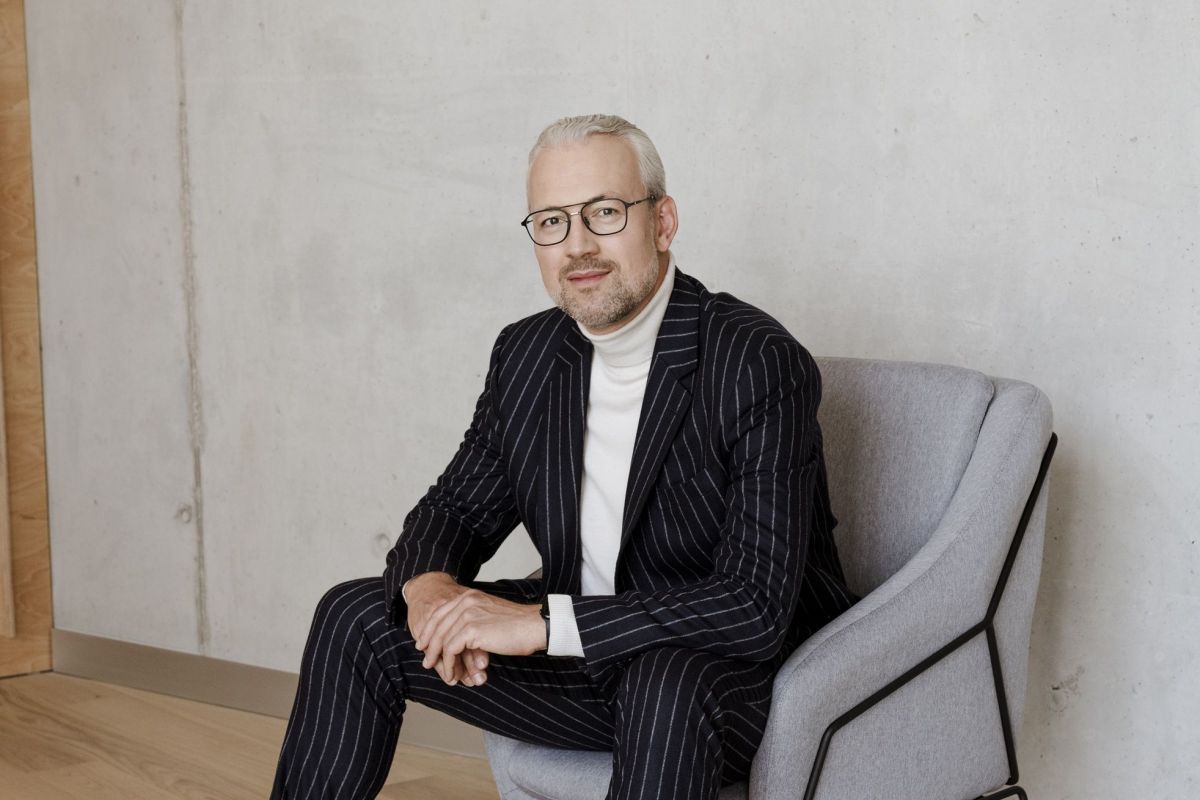
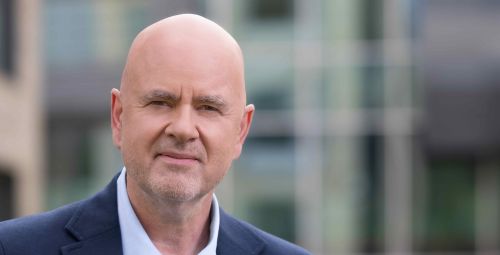
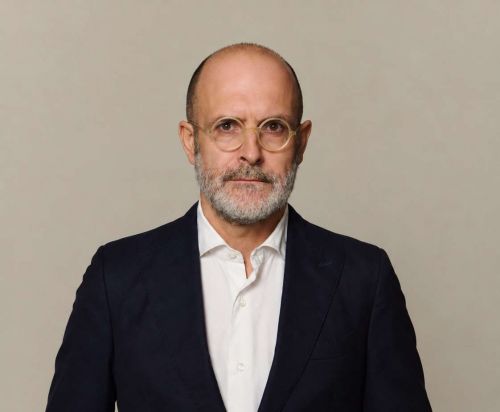
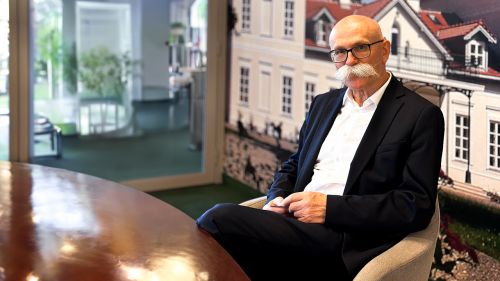
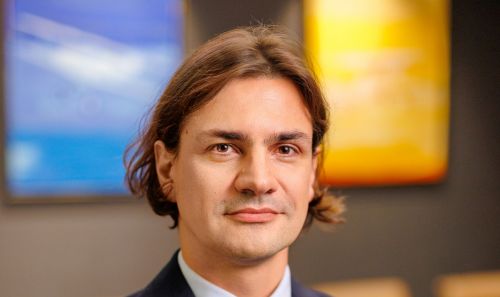
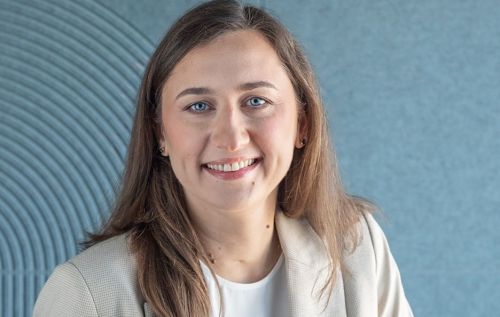
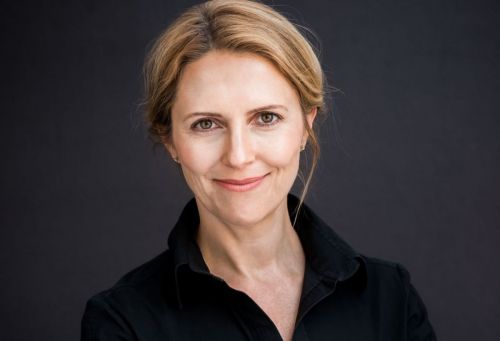
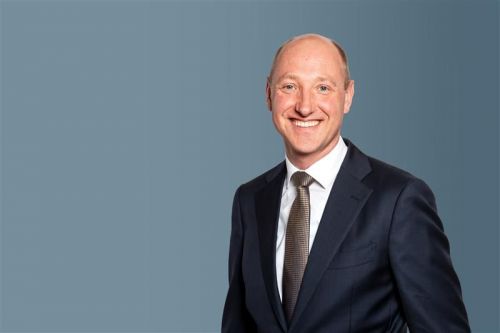
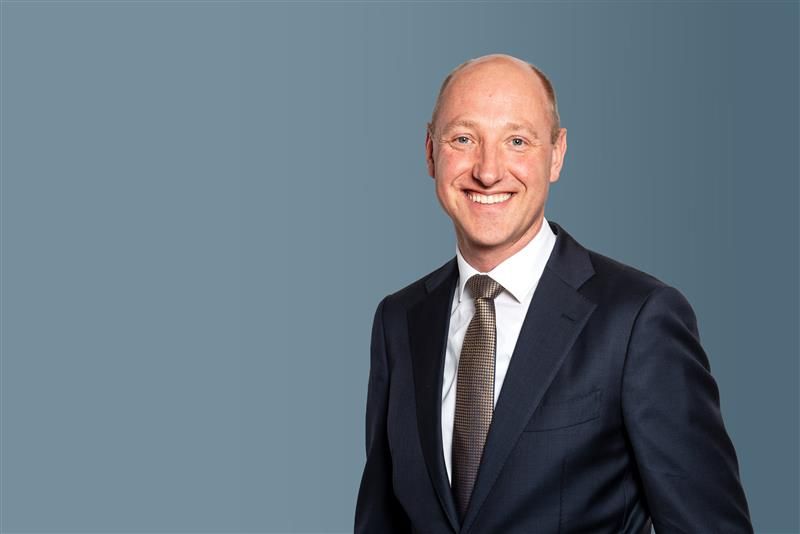
Arkadiusz Rudzki, the executive vice-president for leasing and sales at Skanska Commercial Development Europe (CDE), is responsible for leasing and selling investment product, managing the property portfolio, and collaborating with key corporate clients across the CEE region. He has 20 years of real estate market experience, gained at leading financial institutions, advisory firms and private equity funds.
You are reading this content because it is covered by the free limit. Buy full access!


Skanska is a company with vast international experience. How have you managed to translate that global success into the Polish market? Is it very different from Scandinavia – or not really? And has much changed over the last quarter-century?

Arkadiusz Rudzki, executive vice-president for leasing and sales at Skanska Commercial Development Europe (CDE): The fundamentals of the real estate market are similar everywhere – the value of commercial projects has been built on the same principles. Having said that, each market has its own specific nuances. The demand is different, and the structure of investors and tenants varies – in some countries, global corporations and investment funds dominate, while in others, it’s local businesses. At Skanska, our goal has always been to deliver the highest quality investment products. We create value through a well-considered tenant mix and carefully structured lease agreements. We always choose central locations, with excellent connectivity and strong urban infrastructure. We thoroughly analyse every market – and if we see potential, we act. We finance projects with our own capital, which gives us the flexibility and freedom to make investment decisions at the right time. Looking at the differences between Poland and Scandinavia, the key factor is the composition of the market players. In Scandinavia, local players dominate – when it comes to either tenants or investors. The market is more mature and more streamlined – even in terms of lease formats, which are short, concise, and often standardised. Tenants don’t relocate every few years – they stay in the same buildings for decades. In Poland, it’s the opposite – negotiations tend to be more complex and time-consuming, and decisions are often made outside the country. In the CEE region, international corporations and funds still prevail, which means investment decisions are taken in places like New York, London or Frankfurt. This lengthens processes and involves more advisors. However, in recent years we’ve seen growing activity from investors based in Scandinavia and the Czech Republic. That said, Poland still lacks a strong, local institutional capital market in terms of investment in offices or logistics. This is where it differs from Scandinavia, where local capital forms the backbone of the market and serves as a stabiliser during crises. What we have successfully brought from Scandinavia to Poland is our approach to sustainable construction. In 2008, we were the first to implement the LEED certificate in Poland, followed by the others – Well Core & Shell, Well Interior, and Well Health-Safety Rating – which certify not only the technical quality of our buildings but also their value as places to work and live.


Of the sectors you operate in, which do you view as the most future-oriented? What are your plans for the coming years?

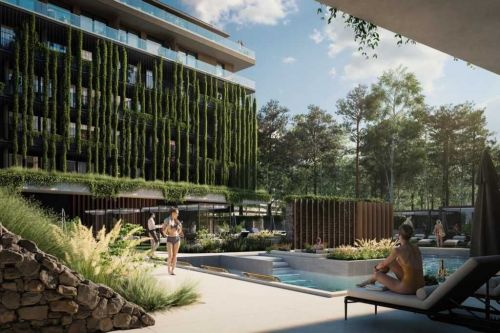
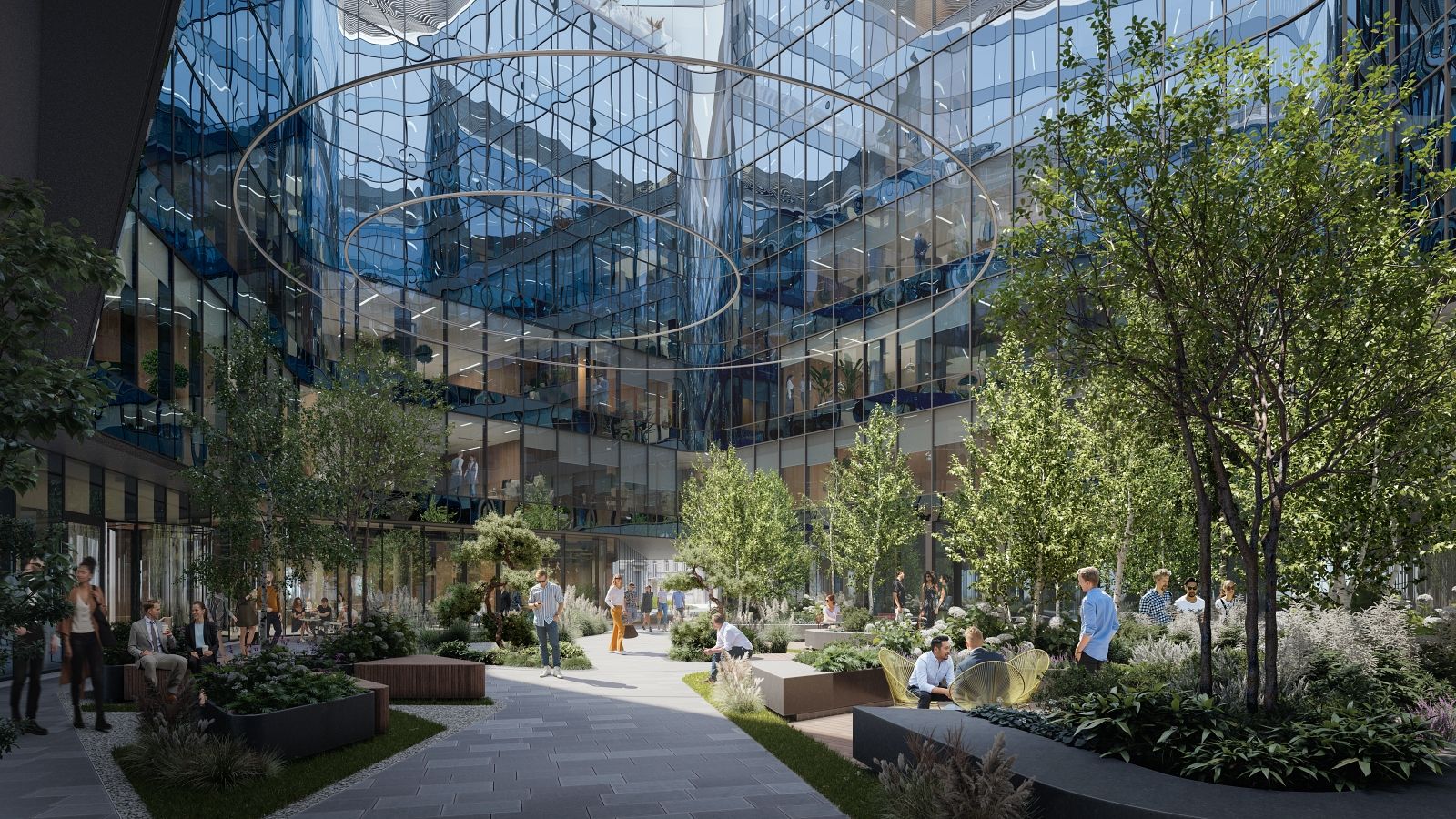
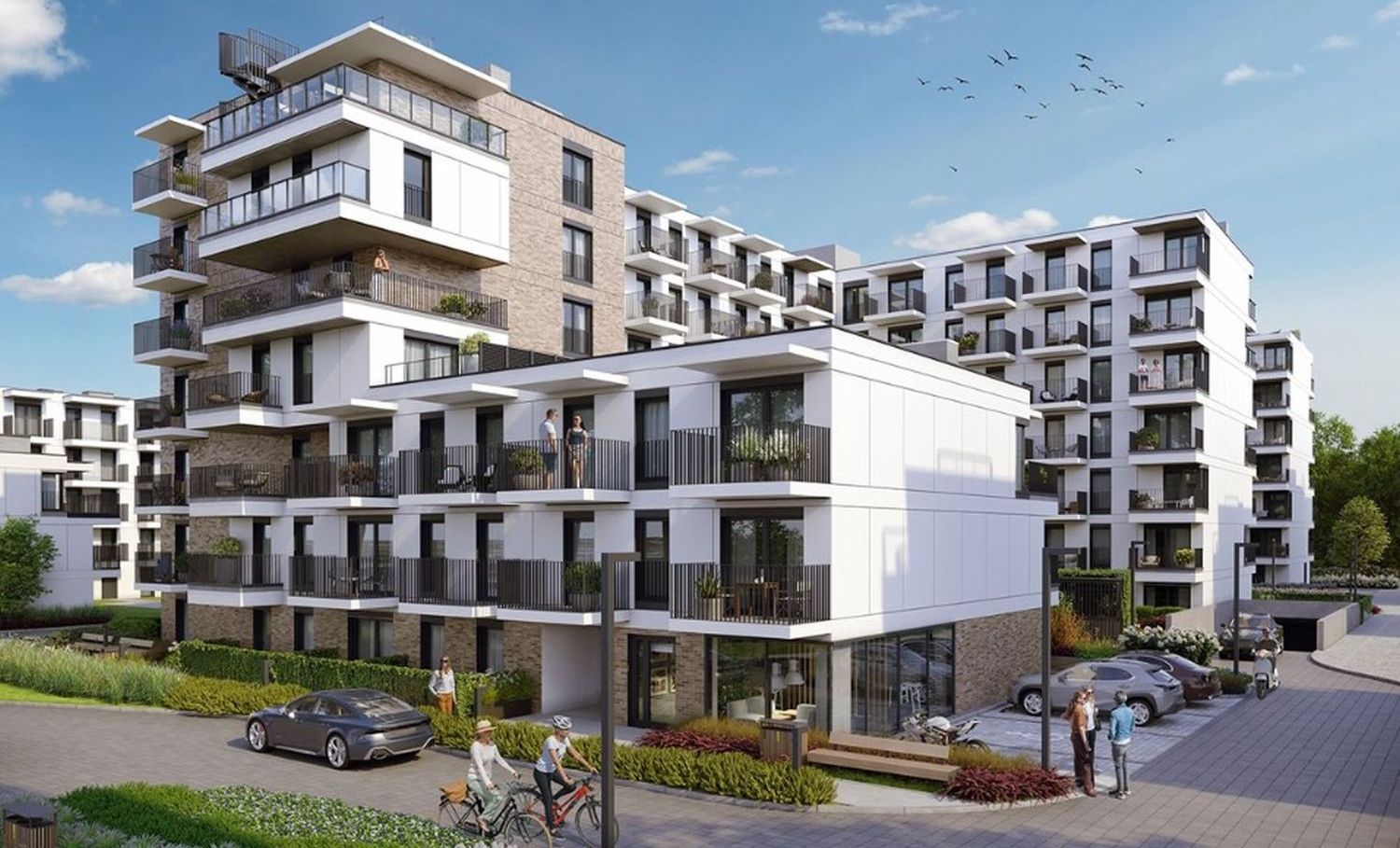
For years we’ve been consistently developing the office sector in the CEE region – since 1986 we’ve built over 1.5 mln sqm. We believe this segment still has a future, but only for projects tailored to today’s needs. Offices must be centrally located, superbly connected, offer a wide range of services, align with ESG principles, and be technologically advanced. The pandemic has changed our perception of the office, but one thing remains unchanged – companies still need quality workspace. Today, quality matters more than ever. Investors and tenants are willing to pay for better conditions – provided the space is flexible, comfortable, and supports the needs of diverse employee groups. It is equally important that the project meets the expectations of the new generation entering the workforce. At the same time, we’re also focusing on the commercial residential sector, which, due to demographic trends and social changes, we regard as one of the most promising segments going forward.


And what about ESG? As you’ve already mentioned, it’s an important issue for you and the entire market. What more can we expect in this area? How much further can ESG evolve over the years ahead of us?

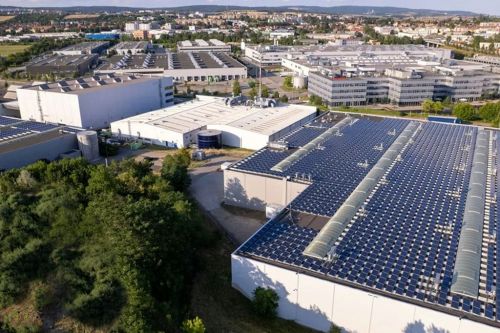
For Skanska, ESG is not a trendy acronym – it represents the natural continuation of what we’ve always done: creating space with people and the environment in mind, while conducting our business in a transparent and responsible manner. While the CEE market is only at the beginning of its journey toward full ESG implementation, it’s significantly more advanced than, for example, the US market. More and more tenants, investors and banks are taking these aspects into account when making decisions. In 2025, more companies will fall under mandatory ESG reporting obligations – not just large corporations but also mid-sized firms listed on the stock exchange. That will pose a real challenge for the market, but I’m confident we’re up to it. Over time, energy-related issues will become increasingly important – not only due to climate change but also because of energy prices and availability. Buildings that can manage energy efficiently and use renewable sources will become the standard. It’s not just an ESG requirement – it’s also an economically sound decision.


What do you consider to have been the most pivotal event for the real estate market in Poland and the CEE region over the last 25–30 years?

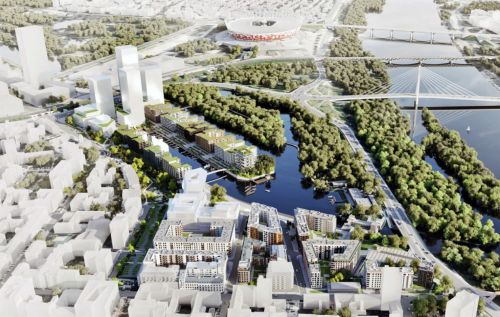
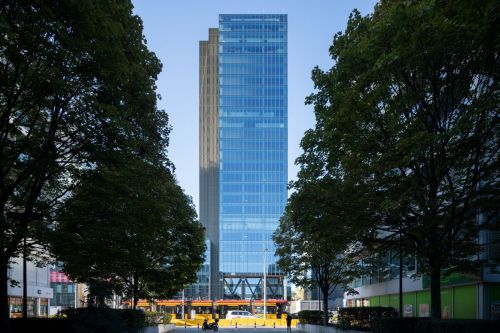
There have been several key moments in the history of the real estate market in Poland. The first, without doubt, was Poland’s accession to the EU in 2004 – it opened our market to global capital. The next was the 2008 financial crisis – the market came to a standstill but rebounded relatively quickly. For a few years, we enjoyed favourable macroeconomic conditions: low interest rates and access to cheap capital. Then came 2020 and the pandemic – an event no one could have predicted. Covid changed how we work, how we interact, and, as a result, our whole approach to office space. It was a genuine turning point. However, I’d also like to highlight something else – not a single event, but a long-term process. I’m referring to the transformation of Warsaw city centre. Anyone visiting the capital for the first time or returning after several years is genuinely surprised. It is now the modern business heart of Central and Eastern Europe, with enormous development potential. I’m proud that Skanska has played – and continues to play – a major role in that transformation. And the best is yet to come.

Categories

Your order
Your data
Number of access accounts
Each account provides independent access on one device. You will be able to create additional access accounts in the account settings.
Invoicing data
Order summary
Net price
Access accounts #
Net order
VAT (%)
Gross order
Payment security is ensured

Don`t miss out the current edition