






The shining star of Central Europe

Interview 300
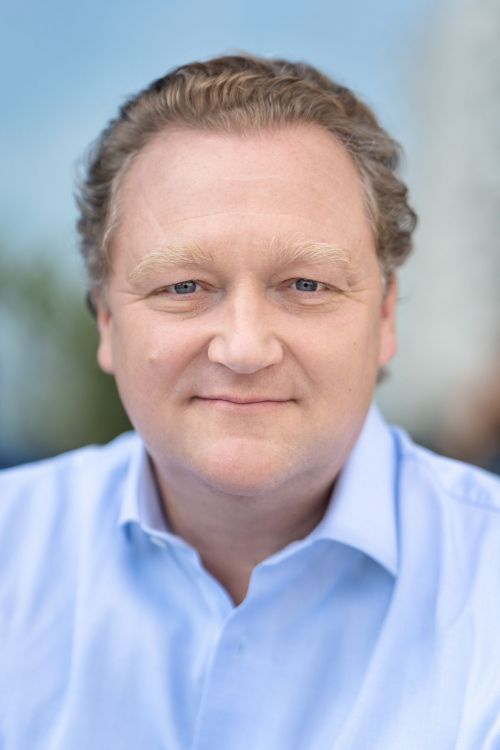
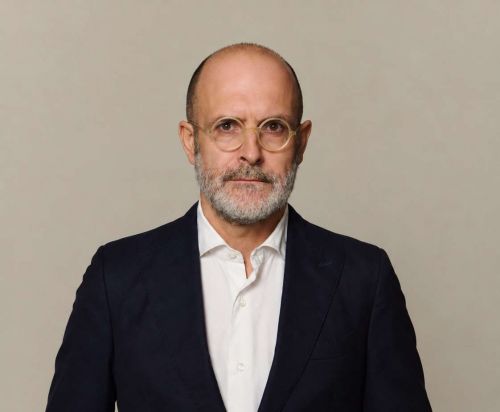
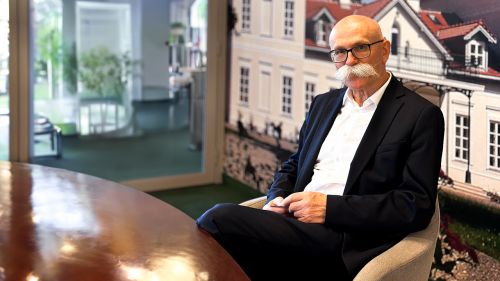
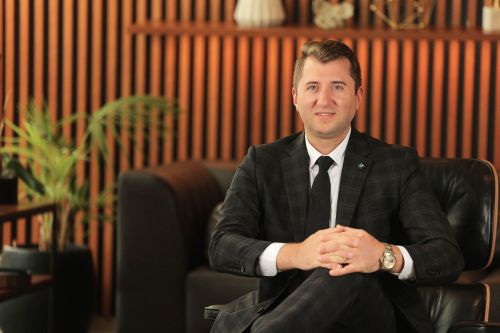
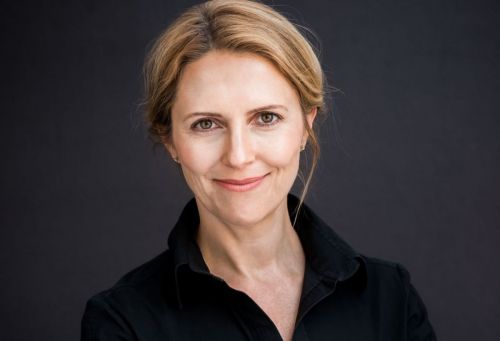
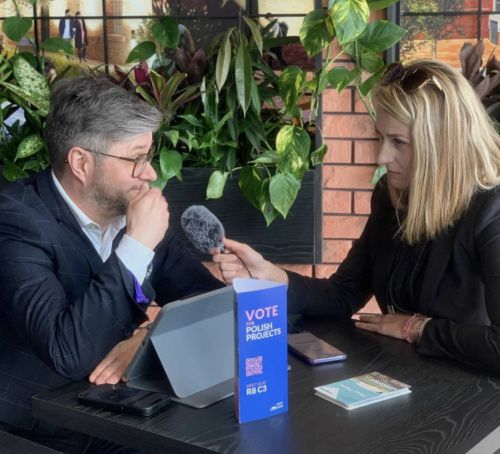
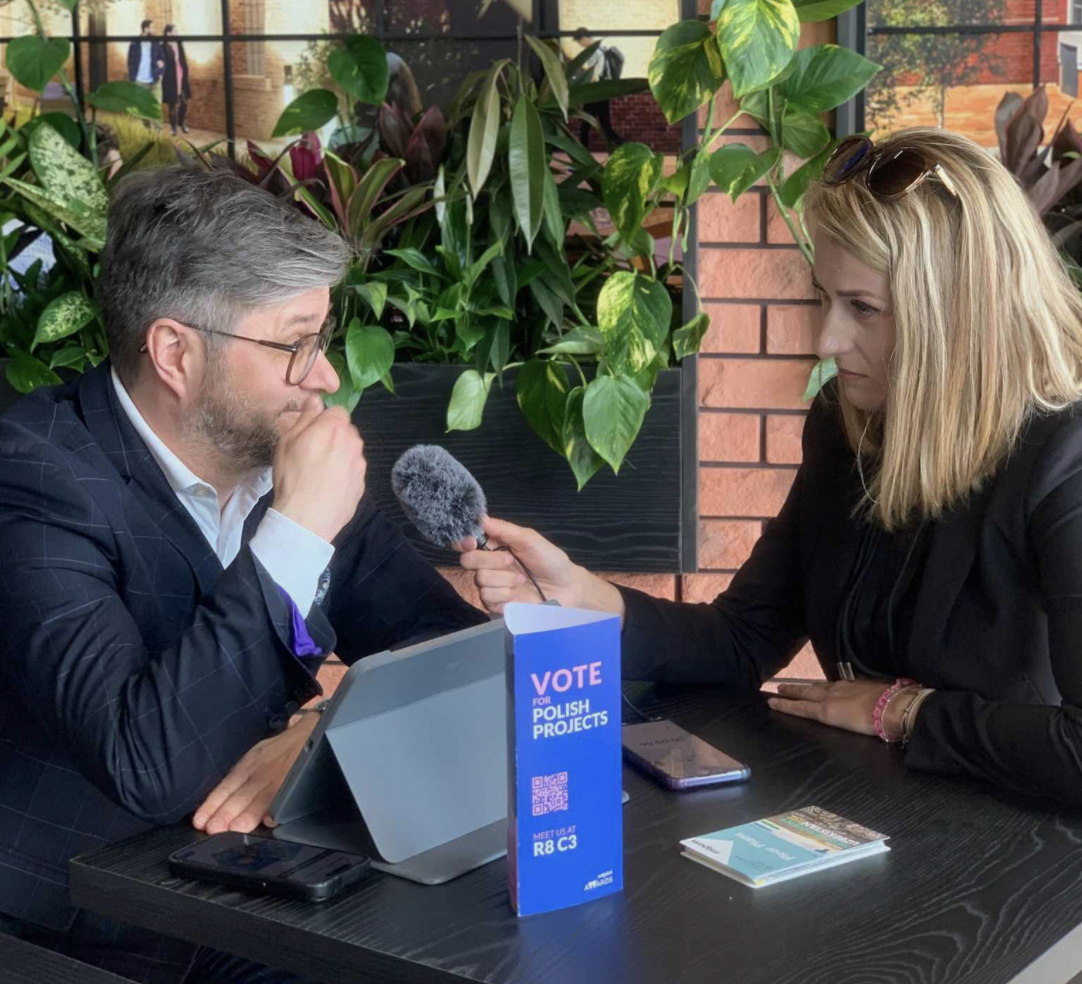
Hadley Dean has been working in Poland for over 20 years. Before founding MDC², he served as the CEO of EPP – Poland’s largest shopping centre operator with a portfolio valued at EUR 2.6 bln. Prior to that, he was the managing partner for Central and Eastern Europe of Colliers International.
You are reading this content because it is covered by the free limit. Buy full access!

You have extensive experience of the Polish real estate market. How would you assess its current state? How does it compare to previous years – after all, ‘Eurobuild’ has been covering the market since 1997! What has changed the most? Would you say Poland has caught up with the West over the years?

Hadley Dean, founder of MDC2: The market is completely different from what it was in 2001. The perception of Poland has undoubtedly changed significantly. There’s no longer any need to explain to people “why Poland?:. A major shift has occurred in the last 18 months: international investors now genuinely understand Poland and the opportunities it presents, which are often unparalleled in Eastern Europe. We are not yet at the same yield levels as Western Europe. But for IRR and yield-led investors, Poland stands out as a shining star – especially after the recent European Central Bank interest rate cuts.


What event – whether market-wide or specific to your own business – has had the greatest impact on how you operate today?

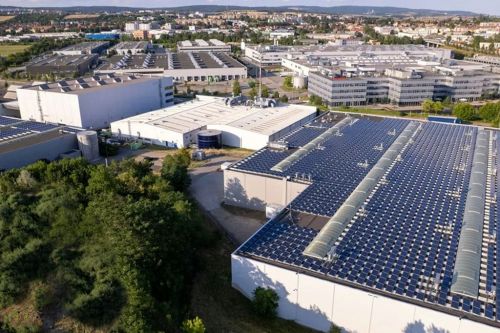
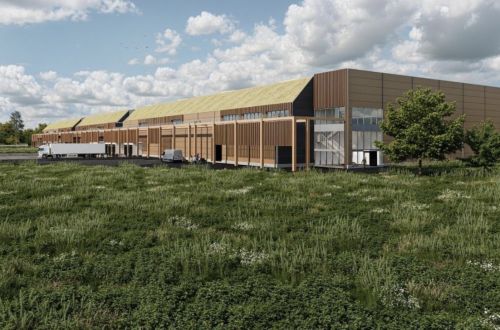
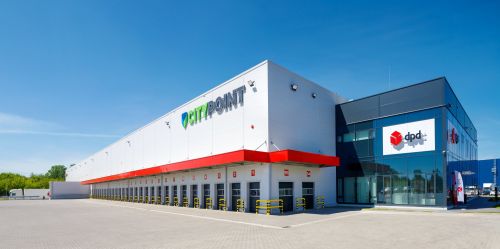
The most impactful event on how we conduct business today has undoubtedly been Covid. The post-Covid business landscape is profoundly different across all commercial real estate sectors – office, retail and warehouse. There has been no single event in recent history that has so drastically altered business behaviour. Before Covid, the traditional paradigms for each sector were firmly established. Offices were hubs of activity, retail thrived on in-person foot traffic, and warehouses were primarily about efficient storage and distribution for conventional supply chains. Covid, however, forced an unprecedented re-evaluation of these models. The warehouse sector saw an explosion of demand. The rapid growth of e-commerce required vast amounts of logistics and fulfilment space, leading to a boom in warehousing and industrial property development. Our business has pivoted to capitalise on this demand, focusing on modern logistics centres, automated warehouses, and strategic locations that facilitate efficient last-mile delivery. In essence, Covid wasn’t just a temporary disruption; it was a catalyst for fundamental, lasting changes in how businesses operate and how real estate is utilised. It necessitated a complete recalibration of strategies, forcing businesses to be far more agile, forward-thinking, and adaptable to rapidly evolving client needs across all segments of commercial property. There’s no bigger event that has so profoundly changed the behavioural landscape of commercial real estate.


And what can we expect in the future? Is there anything that could still surprise you about the market?

One of the most significant developments we can anticipate, which would be a true game-changer for the market, is the direct investment of sovereign wealth funds into Poland. This has the potential to dramatically alter the investment landscape, bringing in unprecedented levels of liquidity, further solidifying Poland’s position as a mature market. Beyond that, there are always going to be surprises in any dynamic market. The commercial real estate sector is constantly evolving, influenced by global economic trends, technological advancements, shifting demographics, and unforeseen events. However, what gives me confidence, and what I believe makes Poland stand out, is its inherent ability to adapt and change more quickly than many of its Western counterparts. This agility stems from a combination of factors: a relatively young and dynamic economy, a workforce that is generally keen to embrace new technologies, and a regulatory environment that, while sometimes challenging, has shown a capacity to evolve in response to market needs. This inherent flexibility means that while surprises will undoubtedly occur, Poland is uniquely positioned to navigate them and often turn challenges into opportunities faster than more established, and sometimes more rigid, markets in the West. This adaptability is a key strength that will continue to define the future trajectory of the Polish commercial real estate sector.

Categories

Your order
Your data
Number of access accounts
Each account provides independent access on one device. You will be able to create additional access accounts in the account settings.
Invoicing data
Order summary
Net price
Access accounts #
Net order
VAT (%)
Gross order
Payment security is ensured

Don`t miss out the current edition