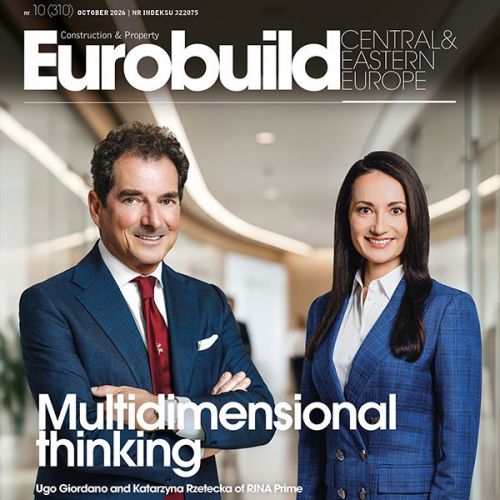











A whole new chapter
Interview 300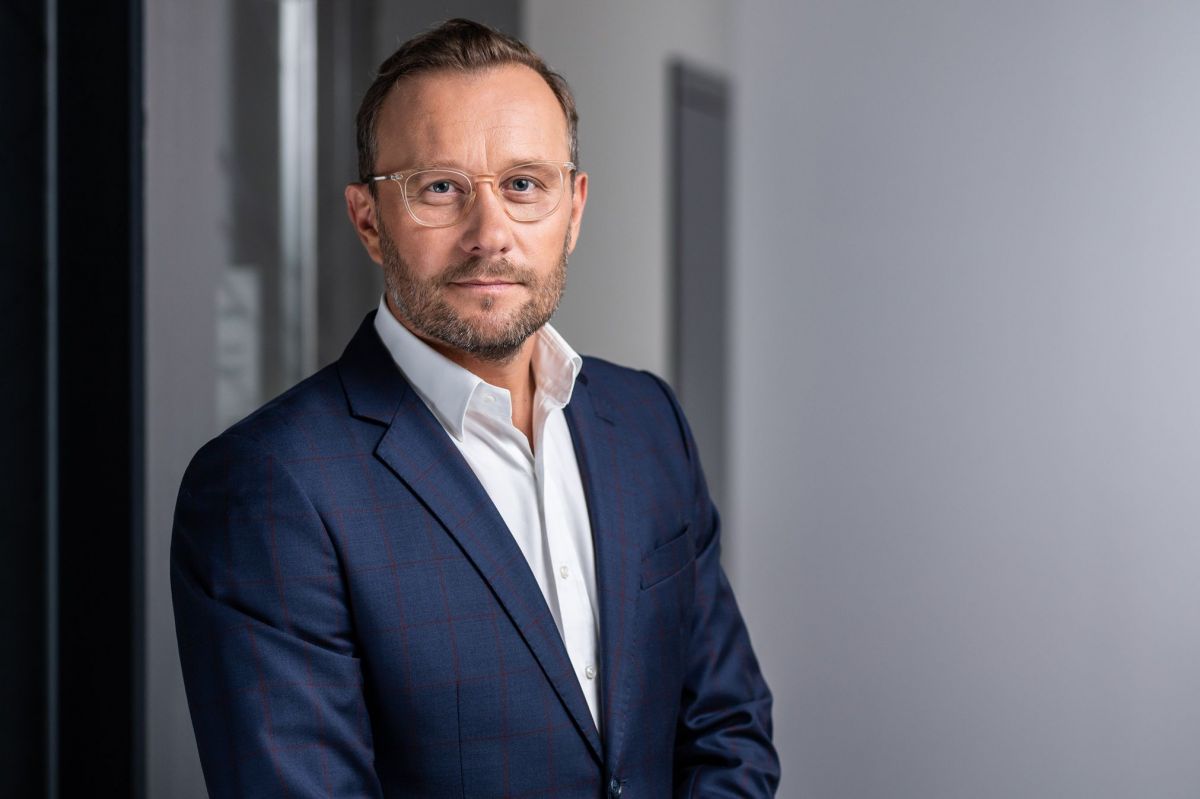
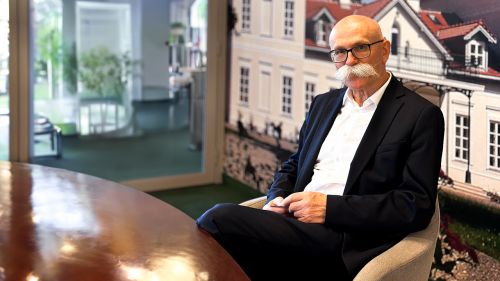
Paweł Sapek, as the senior vice-president and regional head for Central Europe, is responsible for Prologis’ entire portfolio in Poland, the Czech Republic, Slovakia and Hungary – totalling more than 5 mln sqm. He oversees the company’s investment and operational activities across the region, including the implementation of its business strategy, new developments and key client relationships. He has over 29 years of experience in real estate and management and has been with Prologis since 2015. Prior to this, he was the director of business development for Central and Eastern Europe at Segro Poland. He has also held roles at international engineering firm Ove Arup & Partners and the US construction giant Washington Group.
You have been active in the warehouse market for many years, giving you both the right and privilege to offer your perspective on its progress. From your point of view, especially regarding logistics properties, how much has the commercial real estate market changed in recent decades?
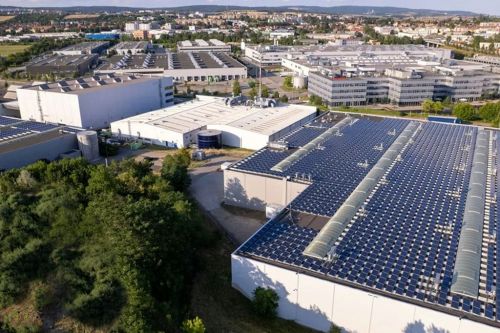
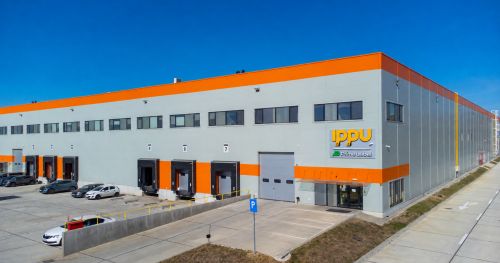
Paweł Sapek, SVP and regional head, Central Europe, Prologis: Over the past two decades, the logistics real estate market in Poland has undergone a tremendous transformation. When I transitioned from the construction sector to commercial real estate 20 years ago, you could literally count the number of warehouse facilities in Poland on one hand. Today, we’re talking about a market approaching 35 mln sqm – a scale that would have been difficult to imagine back then. However, the most significant change, in my view, didn’t take place during those early years of growth. It actually occurred relatively recently – within the last three years. That was when the market reached maturity. For the firs
Already have an account? Log in
76% of content remaining
Unlock full access to the edition
PLN
EUR




EurobuildCEE magazine
Access to EurobuildCEE edition online & flipbook
Current edition
Annual subscription
You save 23% when paying annually
Monthly on one device. Annual payment
Monthly on one device. Monthly payment
Choose
Access includes
- Access to EurobuildCEE magazine edition online & flipbook version
Most popular
EurobuildCEE magazine & online subscription
Access to all EurobuildCEE materials
Monthly
Annually
You save 17% when paying annually
Monthly on one device. Annual payment
Monthly on one device. Monthly payment
Choose
Access includes
- Access to EurobuildCEE magazine edition online & flipbook version
- Exclusive news, comments, articles and interviews with the most important market representatives and experts
- Archive containing data and information from the commercial real estate and construction market in Poland and the CEE region, collected over 27 years;
- Eurojobs
- Eurobuild FM