




We must invest in people!

Interview 300
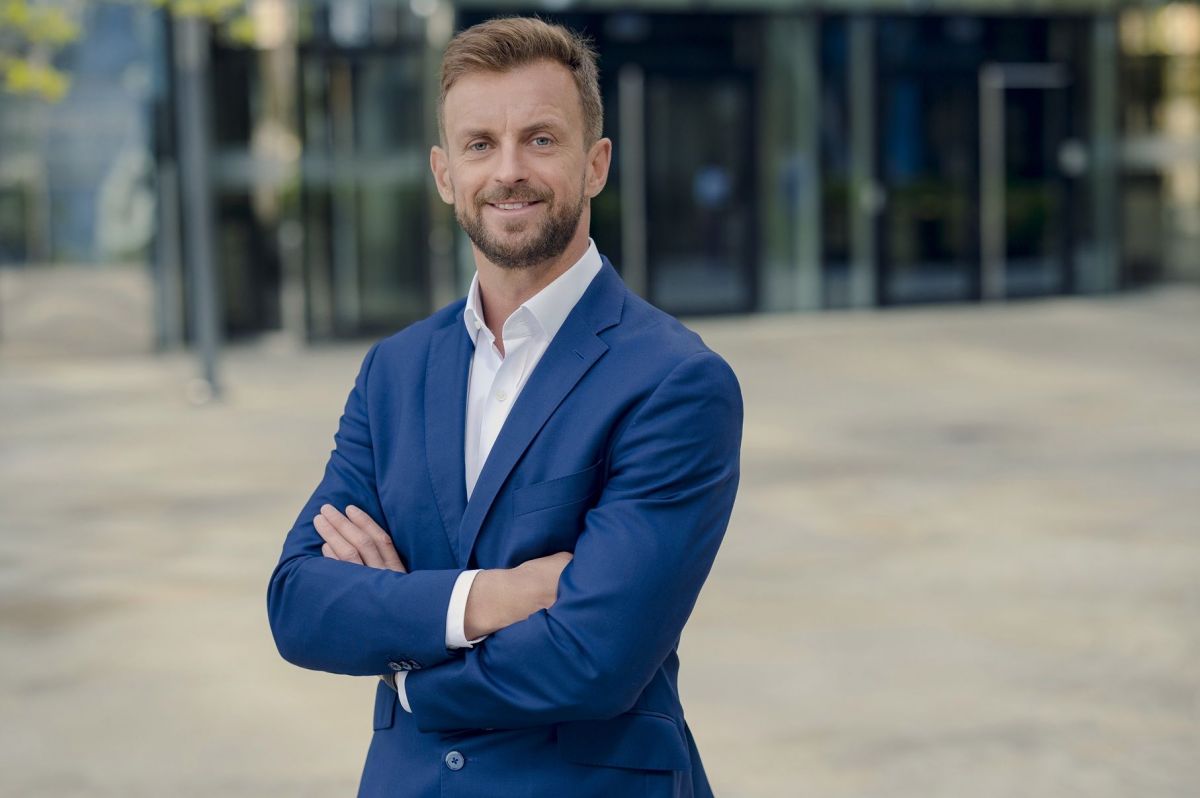
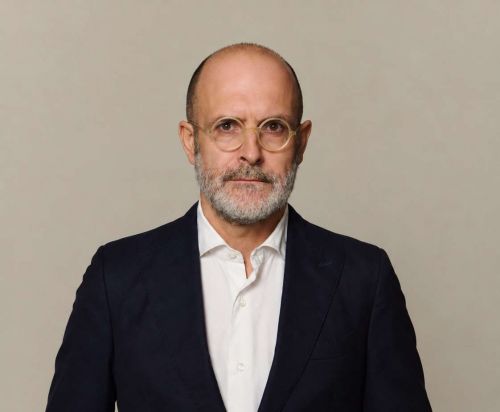
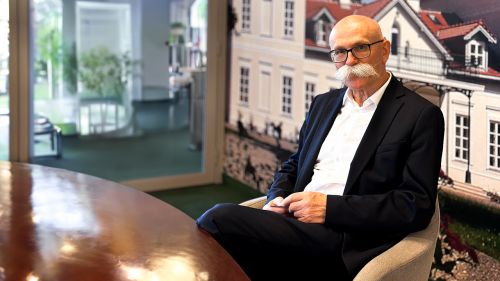
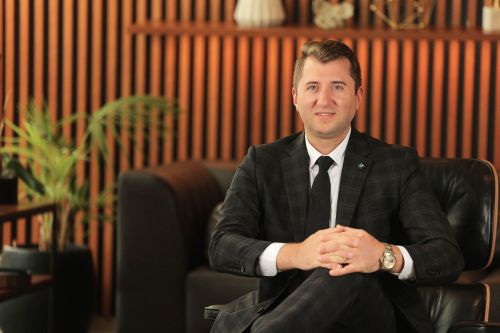
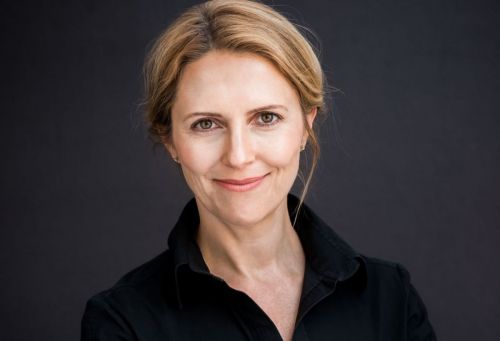
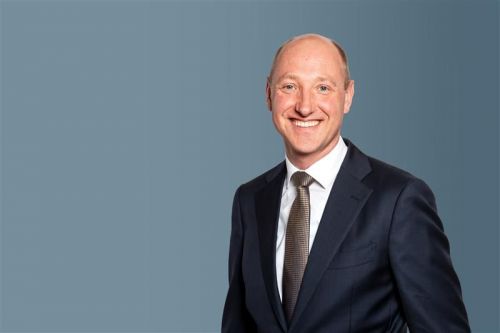
Marek Dobrzycki is a partner of Panattoni and one of the key figures responsible for the warehouse developer’s growth in Poland. He has been with the company since 2007, almost since its inception in the Polish market, and currently oversees operations in the country’s most important regions. He is responsible for Panattoni’s core business areas and has played a decisive role in shaping the developer’s organisational structure in Poland. He has led the establishment of partnerships with key clients, including Amazon, for whom projects have been delivered in Gliwice, Poznań, Sosnowiec, Wrocław, Szczecin, Bolesławiec and Gorzyczki.
You are reading this content because it is covered by the free limit. Buy full access!


Panattoni has been operating in the market for many years, and this year marks your 20th anniversary. That’s quite a back story! How would you assess the changes that have taken place in the warehouse real estate market over these years? What, in your view, have been the factors in the most significant and spectacular transformations?

Marek Dobrzycki, a partner of Panattoni: When we began operating 20 years ago from a small office in Warsaw, the modern industrial space market was still in its infancy. As a country, we had a lot of catching up to do. Class A warehouse space was considered a luxury, and the kind of logistics we have today was merely a sketch on the drawing board. Today, we are among the European champions in this field, boasting a dynamic, diversified and modern market which, in terms of quality, availability and innovation, not only competes confidently with the best but often sets new standards. The most profound transformation has undoubtedly been the shift from simple halls to advanced, eco-friendly premium facilities built in line with the highest ESG standards. Environmental certification, which was once an exception, is now the norm – thanks in no small part to our own approach. We’ve also seen tremendous changes in the structure of the demand – from logistics operators, through e-commerce, to the hi-tech segments. There’s been a shift in awareness as well – clients now expect more than just space; they actively seek out partnerships and a sustainable approach.


How do you view the role of Poland and the CEE region on the global logistics investment map? Is it the case that we now have nothing to be ashamed of compared to the West?

We have nothing to be ashamed of – in fact, we are the model to follow. Poland has made full use of its central location in Europe and has become one of the most important logistics hubs, with Warsaw emerging as one of the most dynamic urban markets. Over the last two decades, we’ve moved from being on the periphery to taking a central decision-making role. We’re no longer seen solely through the lens of cheap labour. Our location, the quality of our workforce, our infrastructure and our openness to new technologies have all contributed to making us the natural choice for global players. We are increasingly taking on the role of strategic partners in the development of international companies. It is here that factories in future-proof sectors are being built, as well as R&D centres, automated fulfilment centres, and e-commerce parks. And we, as a developer, have been playing a major role in this.


Which moments do you consider to be the most groundbreaking in the company’s history?

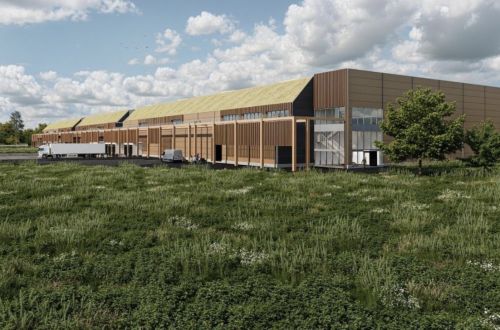
The first would, of course, be the launch of our operations in Warsaw in October 2005 – we were in the right place at the right time. By 2009, we had developed our first million square metres in Europe, which at the time was a tremendous achievement. In 2014, we signed a record-breaking deal with Amazon: over 201,000 sqm, which was the largest lease agreement in the entire CEE region. Around 2017, we launched one of our most strategic projects: the Central European Logistics Hub in Łódź. In 2021, we became the first in the industry to set the BREEAM ‘Excellent’ as the standard for all new developments. Two years later, we certified the first industrial building in the country at the highest ‘Outstanding’ level. To date, we have delivered 23.5 mln sqm in Europe, of which as much as 15.7 mln sqm have been built in Poland. Each of these milestones has not only demonstrated our growth but also fuelled our future ambitions.


To what extent have digitisation and new technologies (e.g. AI, warehouse automation) influenced Panattoni’s development path?

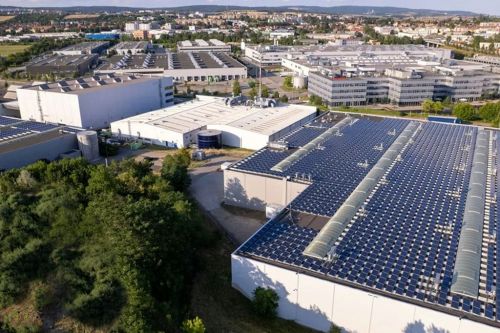
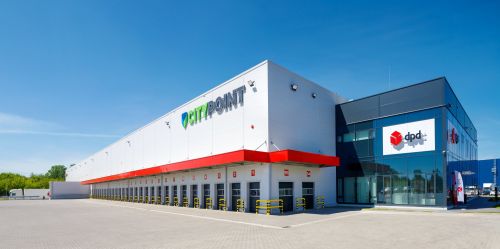
Technology is no longer an accessory – it’s the core of the modern logistics and industrial sector. Panattoni has understood from the outset that the development of modern space must go hand-in-hand with readiness for automation, robotics and integration with supply chain management systems. Yes, the emergence of these technologies has significantly influenced our growth, as we are open to large-scale, complex and demanding projects. And this is especially true for bespoke developments, where we can fully realise the client’s technological vision. For example, for DHL, we have built an ultra-modern international terminal near Poznań, where the layout was entirely designed around a vast automated sorter, enabling process and efficiency optimisation as early as the 3D design stage. This facility was a genuine game-changer, transforming the operator’s network and serving as a model for future developments. We are currently building a distribution centre near Piaseczno for Auchan, where the entire process will be automated using proprietary systems based on AI and machine learning. We’re also developing modern plants in Czeladź for Taiwanese firm Compal, which will manufacture advanced electronic components for the automotive sector, and in Rzeszów, where we are building a small domestic appliance factory for one of the market leaders, the BSH Group. Another example of our capabilities is the development for SyVento BioTech, for which we worked closely with the tenant to create one of the most advanced biolabs in Europe, intended for research on advanced therapies and vaccine production. This highly complex project was delivered within one of our multi-tenant parks in Skawina, near Kraków. Today, virtually all of our buildings are designed with future adaptability in mind. We carry out LCA analyses, implement measures for reducing carbon footprints, invest in infrastructure for photovoltaics, provide car-sharing and relaxation zones, and equip our facilities with advanced control systems. Together with all that, we’ve implemented the use of digital twins for the asset management and support of clients in building plants aligned with the Industry 4.0 concept. Modern technologies are also transforming how our teams work – from the analytics to the design.


As one of the key figures at Panattoni, what advice would you give to young leaders in the commercial real estate sector? Is there any fail-proof recipe for success?

There’s no universal road map for this, but there are values that always work. The first of these is boldness. When we were establishing and growing Panattoni, there were no guarantees of success – but we had a vision and determination. Secondly, you need consistency. Creating value is a process – it requires patience, effort and humility. Thirdly, you need to take an ethical approach. In the world of real estate, trust is the most valuable currency. We have never done anything we wouldn’t be proud of. And finally: think beyond the next six or twelve months. My advice to young leaders would be to think long-term from the very start, to invest in people and values. And not just in numbers. It simply pays off – in business and in life.

Categories

Your order
Your data
Number of access accounts
Each account provides independent access on one device. You will be able to create additional access accounts in the account settings.
Invoicing data
Order summary
Net price
Access accounts #
Net order
VAT (%)
Gross order
Payment security is ensured

Don`t miss out the current edition