

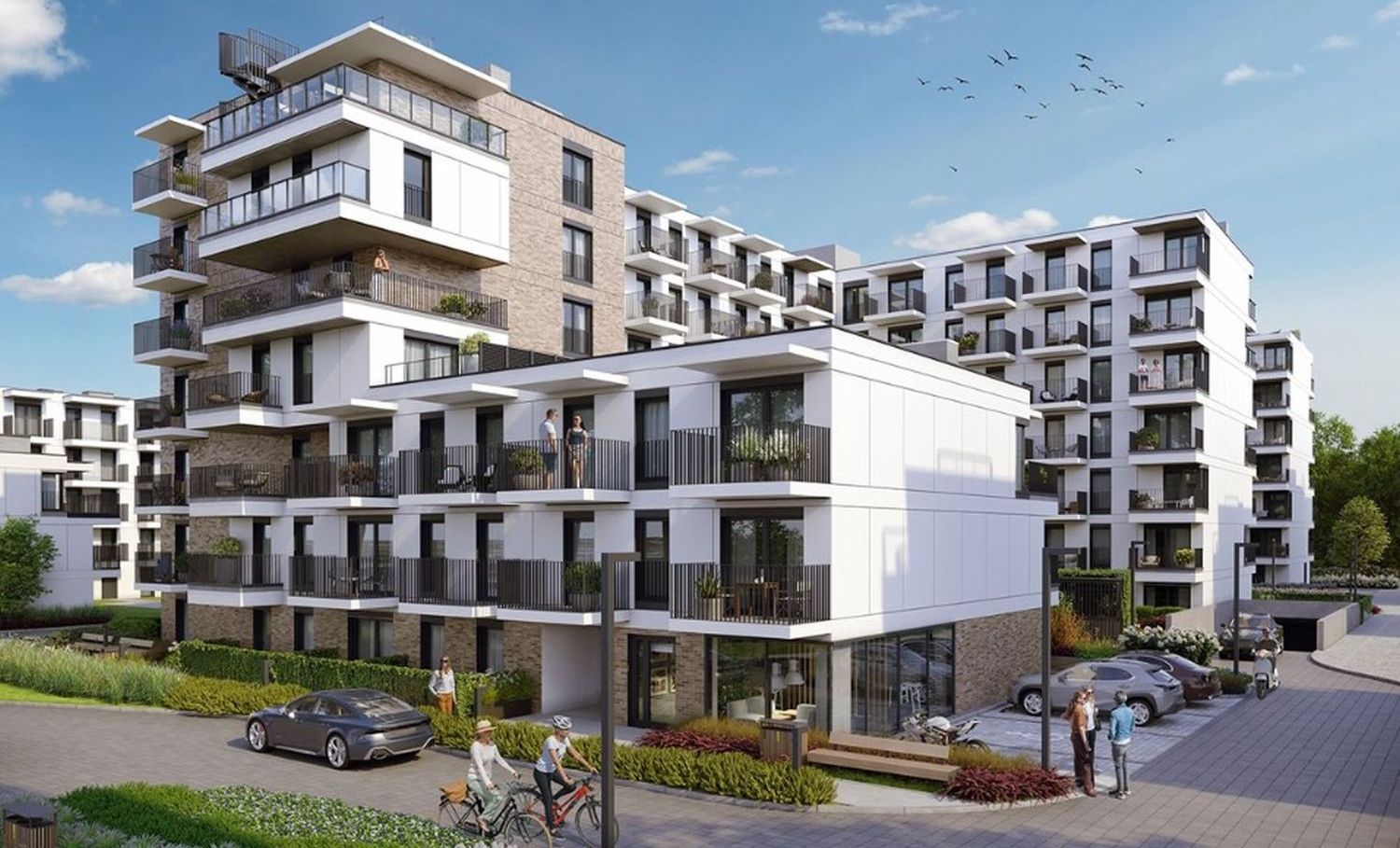




Responding to the city’s needs
Interview 300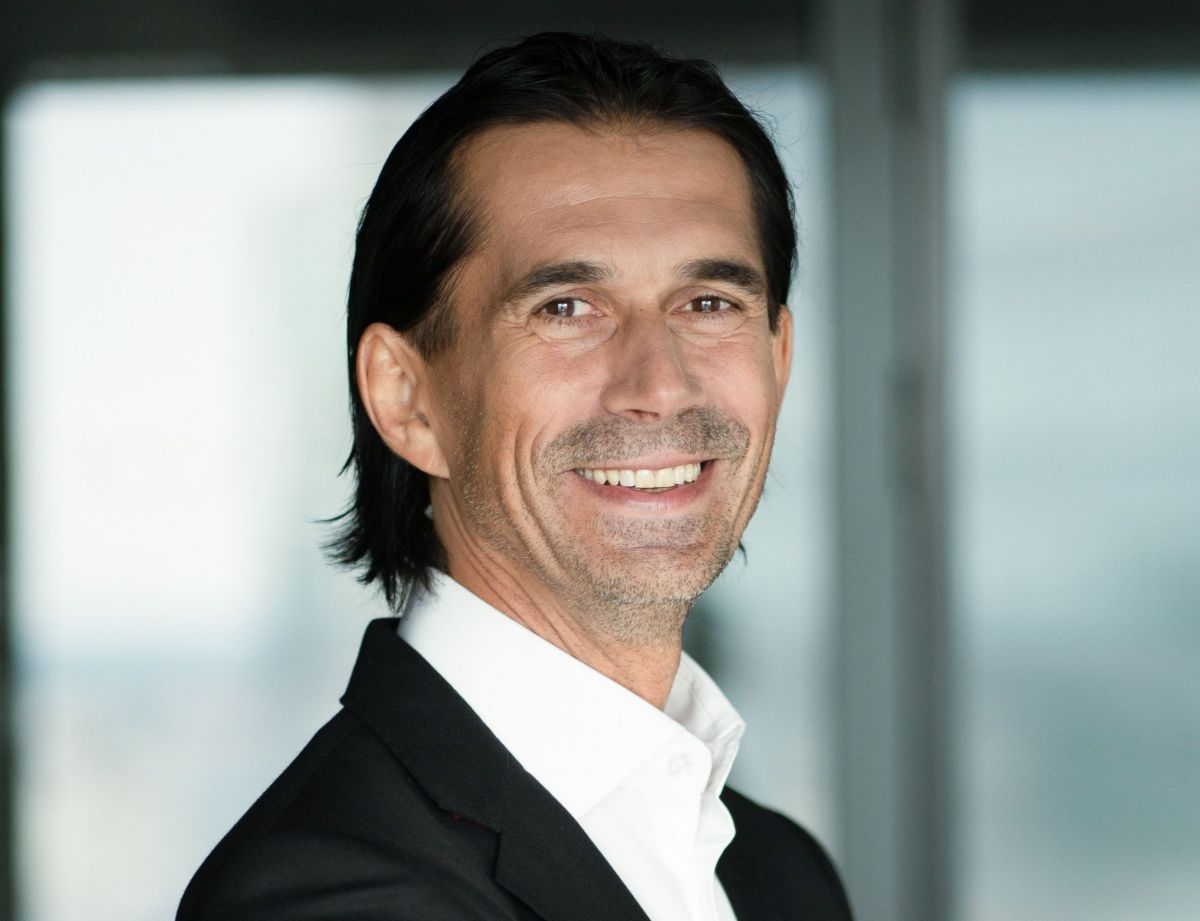
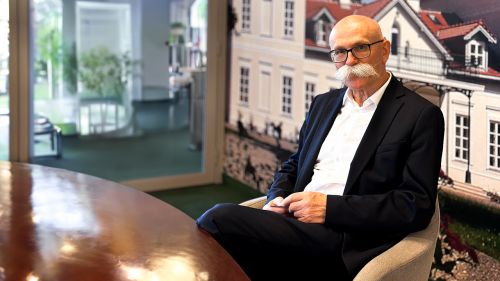
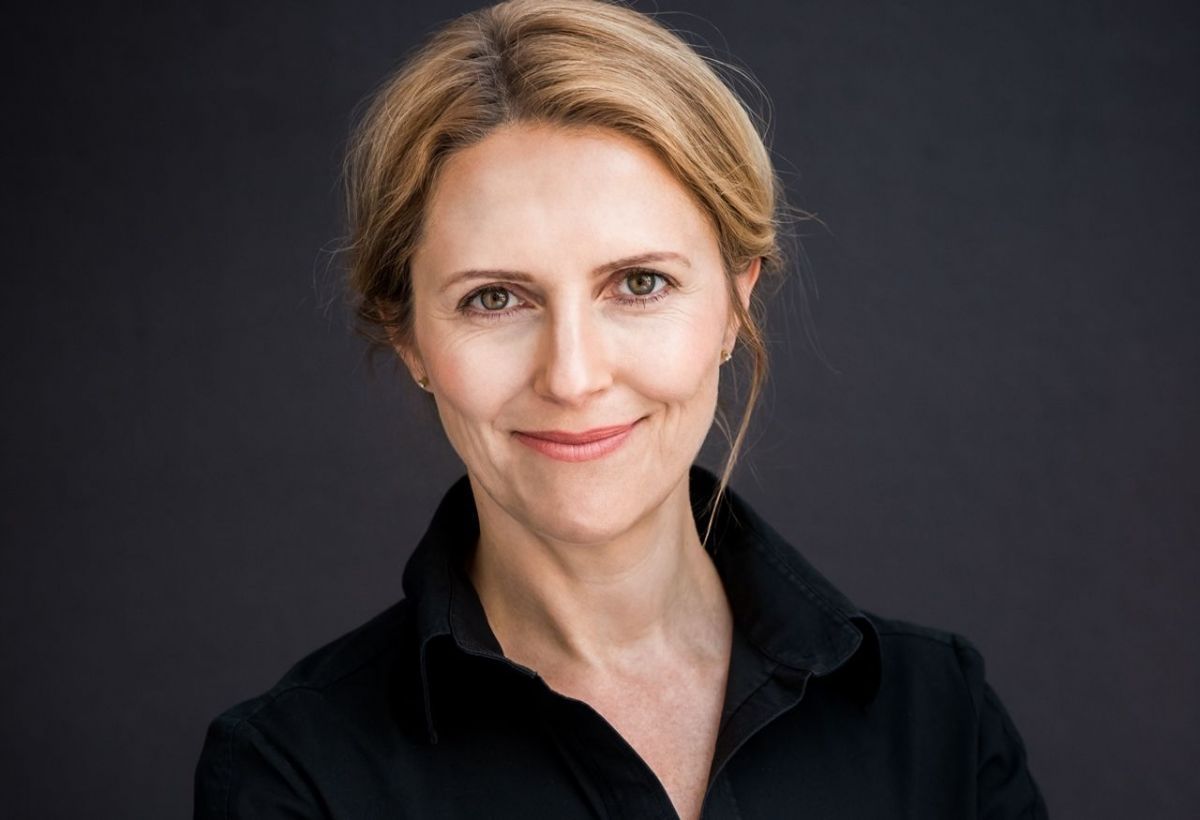
Jarosław Zagórski has over 27 years of Polish real estate market experience. He specialises in the commercialisation and development of real estate projects, office marketing and proptech. He has been employed by Belgian developer Ghelamco for 18 years, serving as the commercial and development director and a management board member from 2007 to 2023. Since April 2023, he has held the position of managing director for Poland. Throughout his career, he has led leasing strategies for Ghelamco’s flagship office projects in Warsaw and regional cities, including Warsaw Spire, The Warsaw Hub, Warsaw Unit, Vibe and The Bridge.
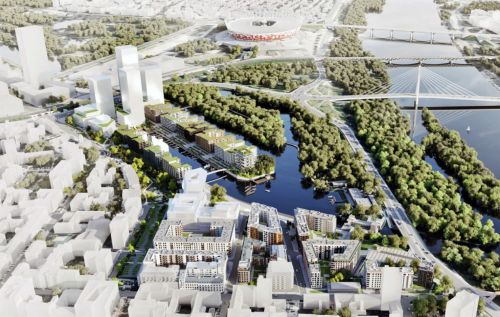
Ghelamco has extensive experience of the Polish development market and has significantly expanded its operations since it entered it. We only need to look at the “Ghelamco Roundabout” (Rondo Daszyńskiego) to see this. How do you assess the direction in which the commercial real estate market in Poland is heading? Is it all positive – or does it still leave something to desire?
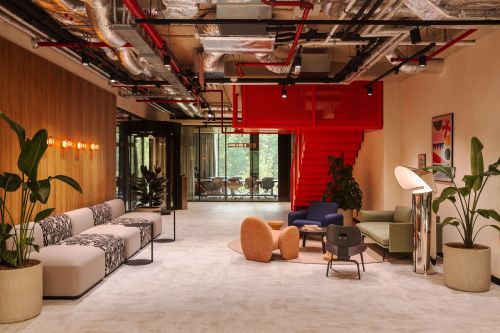
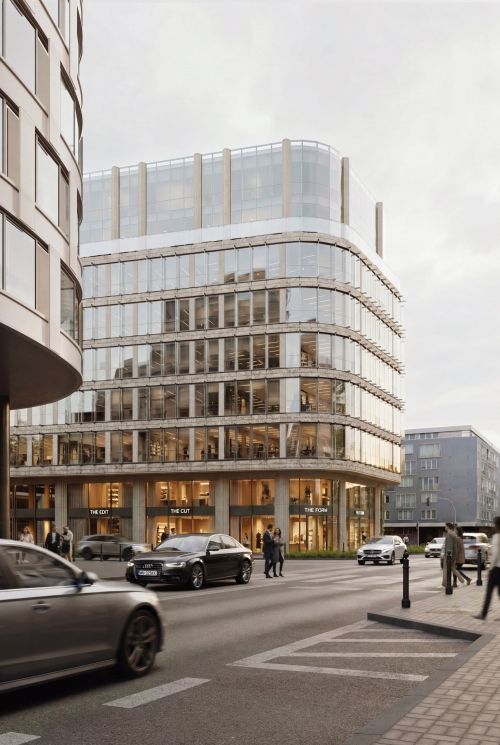
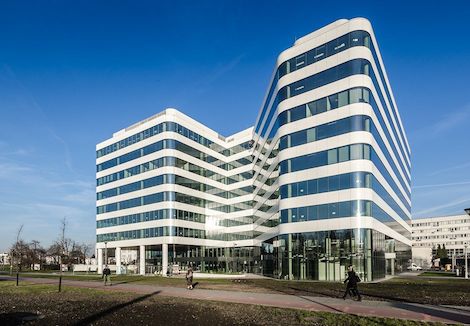
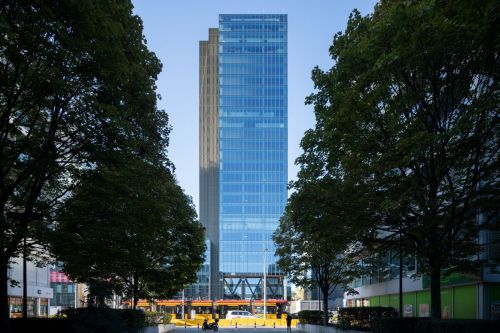
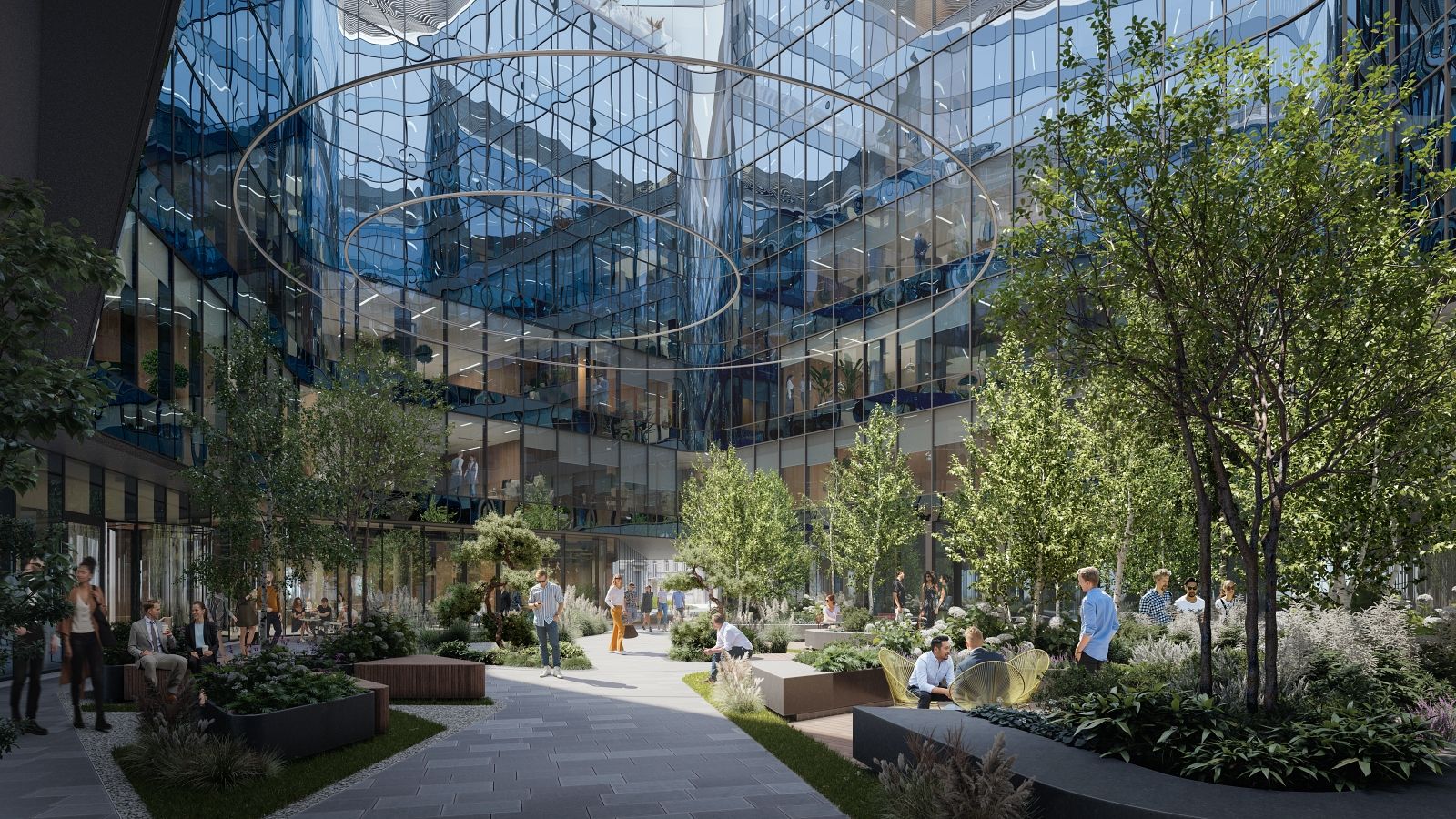
Jarosław Zagórski, managing director, Ghelamco Poland: Looking at the scale of investment – including ours around Rondo Daszyńskiego, for instance – I have no doubt that the Polish commercial real estate market has undergone a remarkable transformation. The direction it’s heading in is fundamentally positive: more modern technologies, more sustainable and eco-friendly solutions, and greater integration with urban functions and public space. Poland is no longer a peripheral market. Today, Warsaw’s office buildings can confidently compete with developments in Berlin, Brussels or even London. O
Already have an account? Log in
74% of content remaining
Unlock full access to the edition
PLN
EUR




EurobuildCEE magazine
Access to EurobuildCEE edition online & flipbook
Current edition
Annual subscription
You save 23% when paying annually
Monthly on one device. Annual payment
Monthly on one device. Monthly payment
Choose
Access includes
- Access to EurobuildCEE magazine edition online & flipbook version
Most popular
EurobuildCEE magazine & online subscription
Access to all EurobuildCEE materials
Monthly
Annually
You save 17% when paying annually
Monthly on one device. Annual payment
Monthly on one device. Monthly payment
Choose
Access includes
- Access to EurobuildCEE magazine edition online & flipbook version
- Exclusive news, comments, articles and interviews with the most important market representatives and experts
- Archive containing data and information from the commercial real estate and construction market in Poland and the CEE region, collected over 27 years;
- Eurojobs
- Eurobuild FM