










Poland Offices above the warehouse
Office & mixed-use development
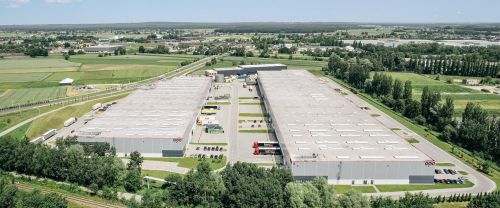
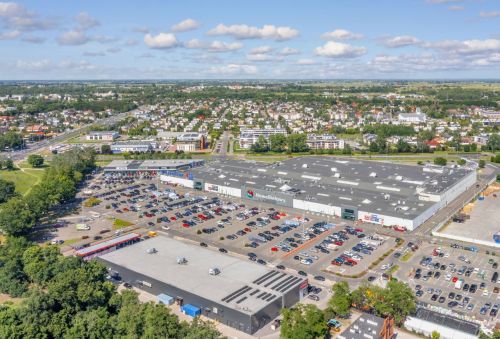
The main driver for developing offices in warehouse parks is the need to cut costs. Amid growing cost pressures, companies are increasingly scrutinising their budgets and seeking savings at every level of operations.
The differences between locations are significant. For example, rent in Class A office buildings in central Wrocław is EUR 13.50-17.00 per sqm per month, while office space in a logistics park on the outskirts of the city costs EUR 12-13. Additional savings result from service charges – PLN 24-30 per sqm in an office building, compared to PLN 7-10 for an office near a warehouse.
Anna Domańska, regional director at Newmark Polska
Parking also impacts the overall costs. In office buildings, a ratio of one space per 60-100 sqm is typical, at a cost of EUR 50-150 per month. In big-box facilities, employees and contractors have significantly more spaces available, for which tenants do not have to pay extra.
Comfort instead of an address – or what do employees think?
The rapid growth of the logistics and e-commerce sectors has changed the perception of offices in industrial parks. They are no longer solely administrative support facilities, but are increasingly becoming a fully-fledged element of the employer branding strategy for modern companies.
Traditionally, such locations were associated with limited access to urban infrastructure. However, the results of the latest Randstad Labour Market Monitor report show that comfort and time savings, not just a city centre location, are becoming key for employees today.
The lack of cafes or gyms in the immediate vicinity is compensated by on-site amenities such as subsidised meals, relaxation areas, showers, and bicycle shelters. Parcel lockers and mobile service points are also becoming standard.
Anna Loc, sales and key account director at Randstad Polska
According to a study by this company from last year, convenient location and ease of access are consistently among the 11 key factors that candidates consider when choosing an employer.
Free parking spaces play a significant role in logistics parks, especially for those commuting from outside the metropolitan area. Companies are increasingly co-financing private bus lines that transport employees from nearby towns, which is becoming a significant recruitment advantage in highly competitive regions.
Anna Loc
Proximity to offices and warehouse operations is also valued by managers – it facilitates more efficient communication and strengthens team collaboration, and companies operating in one location experience lower turnover among logistics management staff.
Consolidation Has Its Limits
The growing importance of warehouse offices goes hand in hand with a clear trend towards consolidation. Companies are increasingly reducing their space in cities and relocating operations to a single location, combining their offices with operations. This means simpler management, shorter decision-making paths, and greater control over processes than in a distributed model.
However, this isn't a one-size-fits-all solution. Organisations operate in different models and at different stages of development, so location decisions require individual analysis – both of costs and team needs, as well as the specific nature of the business.
Patrycja Prycik, Business Development Coordinator at Newmark Polska
In practice, warehouse offices typically house departments supporting operations conducted in the warehouses, such as logistics, sales, returns, and quality control. Some companies relocate entire offices, while others choose a hybrid model, leaving functions like marketing and accounting in the city.
Out-of-city locations aren't always attractive to specialists, which limits the possibility of full office consolidation and forces companies to carefully decide which teams to relocate and which to retain in the urban environment. When advising our clients, we analyze not only costs but also employee needs and staff availability in a specific location.
Anna Domańska
The specific nature of the industry also influences the approach to office location and function.
In manufacturing and e-commerce companies, the importance of the work environment for specialists is growing, resulting in greater requirements for location, transportation, and the quality of office space. Logistics companies, on the other hand, typically require smaller offices, focusing primarily on operational efficiency, emphasizes Patrycja Prycik.
Higher Standards, Real Limits
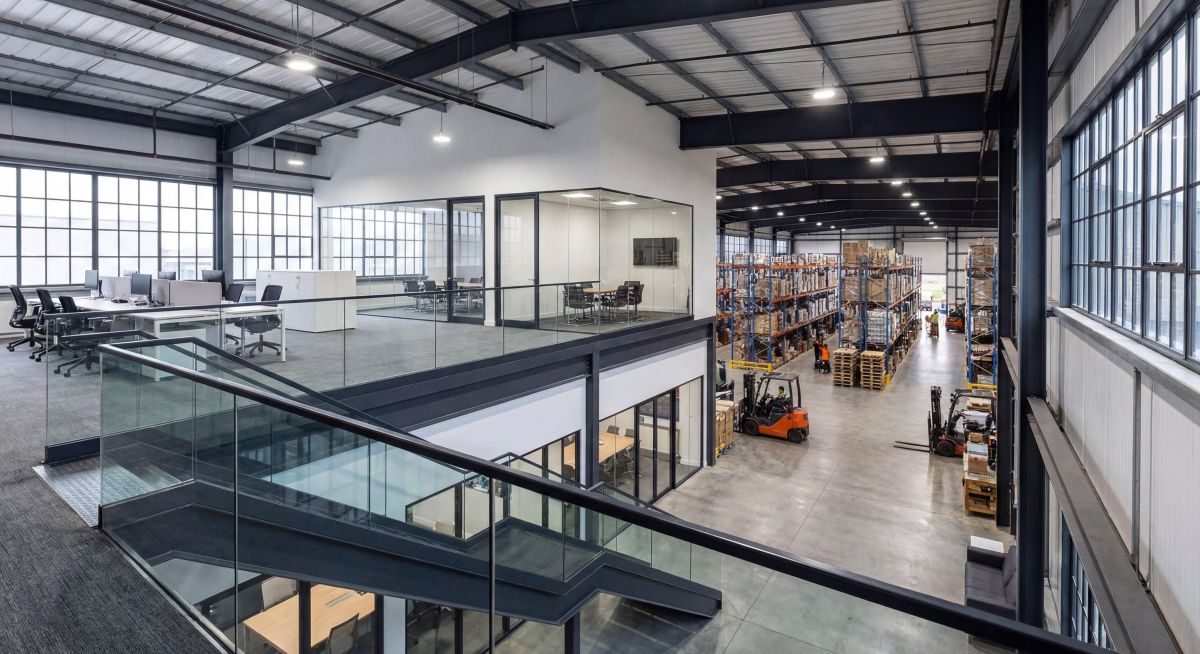
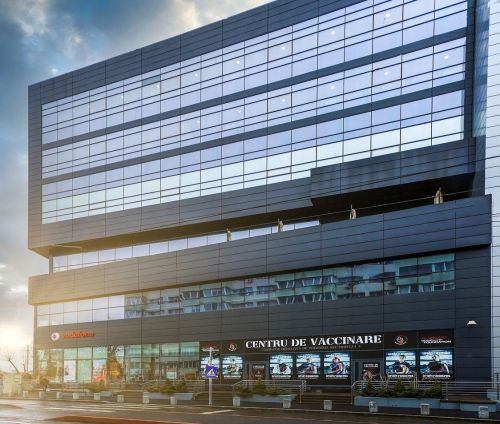
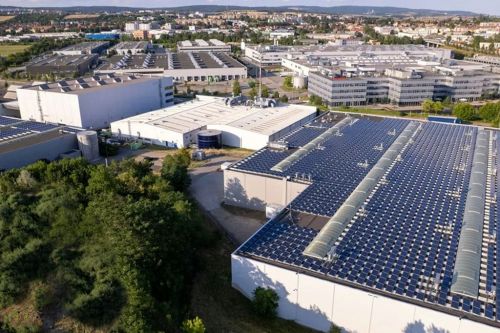
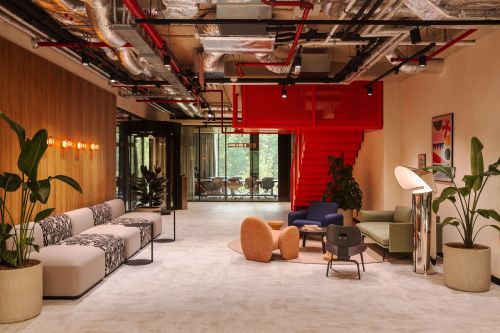
Modern Offices in Logistics Parks are increasingly meeting the standards of Class A office buildings. They are being built in a tailor-made model, with flexible functional layouts and features such as raised floors.
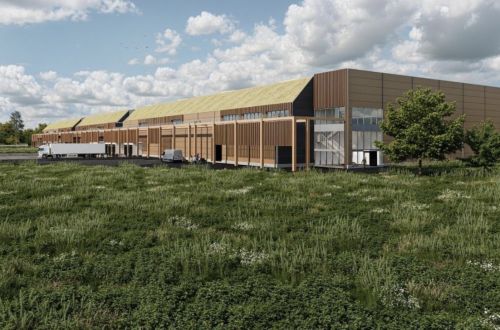
At the same time, the specific nature of warehouse facilities still imposes limitations. This won't be an office with a view from the eighth or 10th floor, as warehouse buildings rarely exceed two or three storeys in height. Limited access to daylight also remains a challenge, although in some projects this is compensated for by the addition of independent office blocks. For some companies, the lower prestige of such locations, compared to office buildings in the city center, is also a disadvantage.
Anna Domańska
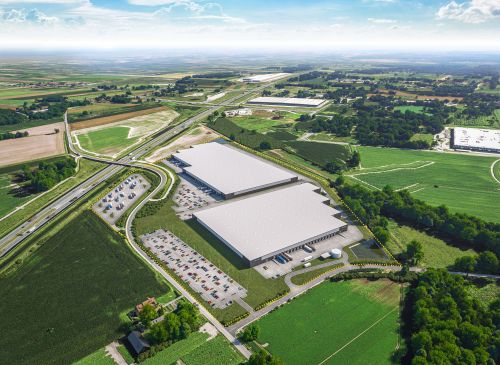
Office space in such investments is usually closely linked to the warehouse and serves a supplementary function. For five-year or longer contracts, the standard is a maximum office share of 10 pct of the total area, meaning that 8,000 sqm of warehouse space can accommodate up to 1,000 sqm of office space.
Developers rarely implement larger office units in standard projects because they are more expensive and carry a higher risk of vacancy after the lease expires. Therefore, more extensive office spaces are primarily built using the BTS model, designed for specific tenants and with longer lease terms.
SBUs: Office and Warehouse on Equal Terms
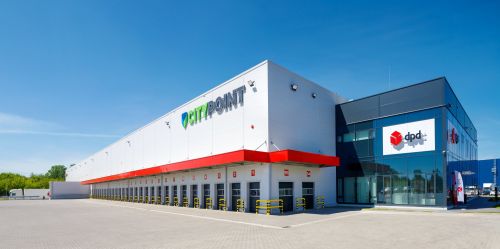
Small Business Units (SBUs) complement the market, meeting the needs of companies seeking smaller warehouse spaces with a larger office footprint.
In many organizations, sales and laboratory employees, production managers, and R&D teams require direct access to a warehouse. It's not just for storage. Repair, assembly, light manufacturing, research, and implementation areas are often also located there. This solution streamlines collaboration between the office and operational facilities and eliminates the need for time-consuming commutes.
Andrzej Dużyński, CEO of Ideal Idea
A significant advantage of SBUs is their location – on the outskirts of large cities, yet with access to infrastructure and services similar to central business districts. Tenants value not only functionality but also the standard of their offices and the aesthetics of their buildings. They place great importance on the quality of their facades and small architectural elements. Window heights in our projects reach 2.70 meters, which meets office standards, and elevators are increasingly being installed in two- and three-storey buildings, improving accessibility for all users, including those with disabilities.
Between Savings and Work Organisation
Combining operational and administrative functions – both in logistics parks and small business units – is a model that will become increasingly important, primarily due to cost pressures and optimisation opportunities. However, it is not a universal solution.
What matters most is a holistic approach and thorough analysis, which allows for tailoring the solution to the specific needs of the organisation without compromising operational efficiency and the quality of the work environment. Every decision requires an individual approach and consideration of the company's specific needs.
Anna Domańska

Who will win and who will lose with changes to the land market
Walter Herz
The biggest change to the land market in years is on the horizon. The spatial planning reform will mean that plots previously considered attractive may lose value, while land with ...
Sales up, supply down
JLL Polska
In the first quarter of 2026, the Polish housing market recorded a significant increase in sales. A total of 12,900 apartments were sold across the country's seven largest cities ( ...
Rent isn't everything. The real costs of leasing warehouse space
Newmark Polska
Choosing a new warehouse takes much more than simply comparing rental rates across a few or even a dozen centres. With rising energy costs and varying technical standards, the actu ...