















Poland The rise of the over 50s
Retail & leisure
A new approach is required to communicate effectively with mature customers both in marketing and designing the shopping experience.
Simple, calm
Consumers of the 50+ generation are one of the most underestimated, yet simultaneously the most important, customer groups in Polish retail today. They are mature, often well-off, professionally active, and often take on multiple roles: parent, caregiver, partner, adult child. Their choices are considered, and their loyalty is enduring – provided the brand can speak their language. For years, the market has been shifting its attention to younger, digital generations, yet it's older consumers who are now setting the pace for shopping: calm, pragmatic, and experience-based.
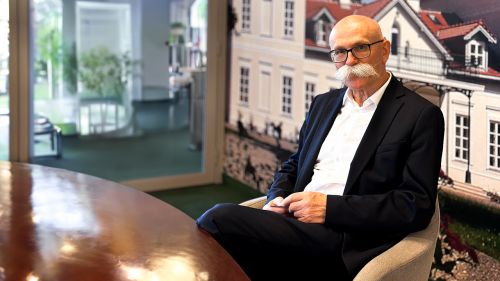
Sylwia Wiszowata-Łazarz, associate director, asset services EMEA, Cushman & Wakefield
Cushman & Wakefield's research shows that communicating with mature consumers requires a different approach. These aren't audiences who respond to headlines like "everything 70 pct off today only!" For them, authenticity, simplicity, and connectivity are key.
Mature customers don't need frills. They need peace, quality, and the feeling that someone understands their daily lives. They don't respond to a barrage of messages, but instead appreciate an empathetic approach, a coherent narrative, and consistency. They seek places that help them handle multiple tasks at once – efficiently, without stress, in a clear and comfortable environment. That's why trust-building initiatives—not just sales—are so important today.
Sylwia Wiszowata-Łazarz
Customers in this segment are less likely to respond to one-off promotions and are more likely to build long-term relationships with a brand. Loyalty programs tailored to this group's lifestyle and interests are becoming increasingly popular: not only points for purchases, but also access to events, workshops, guides, and benefits from local partners. According to the study, online portals are currently the most important source of information about shopping centres and retail parks (73 pct of the total). However, this structure changes with age. People aged 50+ use online channels much less often than younger groups and pay more attention to outdoor advertising—billboards, city lights, and other forms of public space communication.
The 50+ generation is mature, with more time and a larger budget. Many studies indicate that they prefer stores close to home, choose well-known brands, and are significantly more loyal than younger generations. Moreover, crises—such as the pandemic—do not significantly impact their shopping behaviour. But this is a group that requires attention and effective communication: they expect comprehensive information, safety, and respect for their lifestyle.
Ewa Parys, head of asset management CEE & Nordics at AEW Invest
We're turning shopping malls into places for daily rituals
Communicating with customers aged 50+ isn't just about marketing—it's also about a carefully designed experience in the retail space. As the report shows, these consumers expect comprehensiveness, convenience, and a clear message. Services that support everyday life and go beyond traditional shopping centre offerings are also important.
Amenities and products designed with older age groups in mind are crucial, especially considering their health issues (e.g., poorer vision, hearing, limited motor skills). It's essential to create products and services tailored to the needs of older people (so-called senior-friendly products) and to coordinate activities and investment in adapting spaces in shopping malls. Understanding and getting to know this social group, which has different needs depending on age, is key to success
Ewa Parys
That's why mobile advice points and temporary themed zones are increasingly appearing in shopping centres, responding to current needs, such as health consultations, mini "fit & well" stations, dietary workshops, seasonal gardening zones, and interior design guides.
Adapting retail spaces to the needs of older customers is not only a matter of social responsibility but also a real business opportunity. Accessibility doesn't just mean elevators. It also means intuitive navigation, rest areas, clear signage, and above all, empathetic service and attention to detail. This approach directly translates into customer loyalty and a willingness to return.
Katarzyna Lipka, head of strategic consulting and ESG at Cushman & Wakefield
For the 50+ generation, contact with staff of a similar age can be an important element of a positive and inclusive experience – understanding and a common language often translate into greater comfort.
New standards in shopping centre marketing
Cushman & Wakefield's study clearly shows that the retail market in Poland is entering a new phase – demographically mature, demanding, but also very stable. That's why shopping centres and brands should already be designing communication that is empathetic, inclusive, and focused on the real-life needs of older customer groups.
The market is only just beginning to open up to this segment, but it will become the foundation of stable consumption in the coming years. For the retail industry, this is not just a new customer category – it's a future in which comfort, authenticity, and relationships will become the most valuable currency.
Sylwia Wiszowata-Łazarz

EXPO REAL 2025: From survival mode to selective recovery
Axi Immo
This year’s EXPO REAL in Munich marked a noticeable shift in tone across industry conversations. Following a period of uncertainty and postponed investment decisions, the com ...
Are lease agreements in retail parks still triple-net?
CMS
The lease agreements concluded for retail parks increasingly feature solutions that differ from the classic Triple Net Lease agreements, particularly as regards the settlement of o ...
Flex market picks up momentum
Walter Herz
The flexible office market in Poland is growing rapidly. In the upcoming years, we can expect the pace of its development to accelerate. Currently, over 420,000 sqm of flex space a ...