




Poland Polish capital growing stronger
Investment & finance
A big part of what’s driving this is the intergenerational transfer of wealth, the need to diversify assets, and the hunt for steady, long-term cash flows in a world that feels anything but stable – politically or economically.
As the panellists pointed out, a growing slice of investment decisions in property these days are being made as Polish family businesses pass from one generation to the next.
We’re seeing a clear mobilisation of capital linked to the handover of wealth. Business owners want to secure their children’s futures by shifting cash flow from their operating businesses into new asset classes and diversifying their income streams.
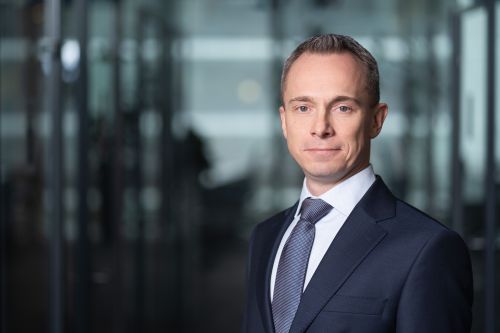
Judyta Sawicka, Head of Investment and Divestment at Echo Investment
The panellists agreed that in today’s uncertain world, asset diversification is no longer a ‘nice to have’ – it’s a must.
Geopolitical and macroeconomic risks are here to stay. In that environment, diversification – both by geography and by sector – remains one of the core risk-management tools.
Simon Chinn, vice president of research & advisory services at the Urban Land Institute Europe
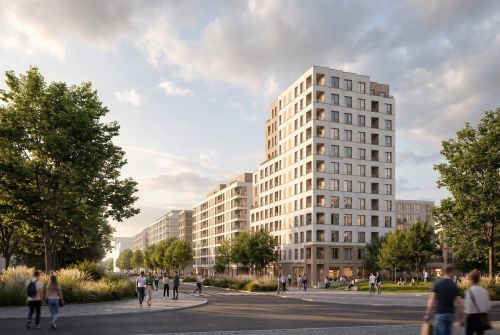
Homes and Retail Parks: Polish Investors’ Top Picks
For many investors, property has become the natural home for their diversification strategies – an asset class offering relatively predictable, cycle-resistant cashflows.
Those putting capital to work today are looking to boost returns while locking in stability. That’s why the living sector – including private rented housing (PRS) – remains attractive, even as some institutional investors pull back.
The scale of private capital involvement in the residential sector is often underplayed in official data. There are investors out there with portfolios of several hundred, even over a thousand apartments.
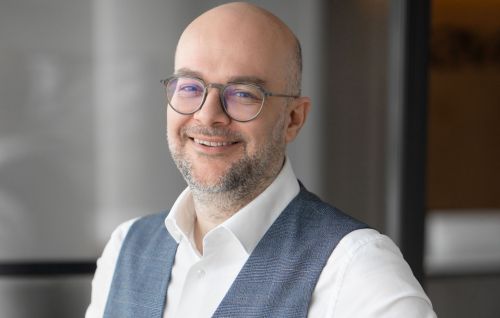
Paweł Sztejter, head of living and executive vice president at JLL Poland
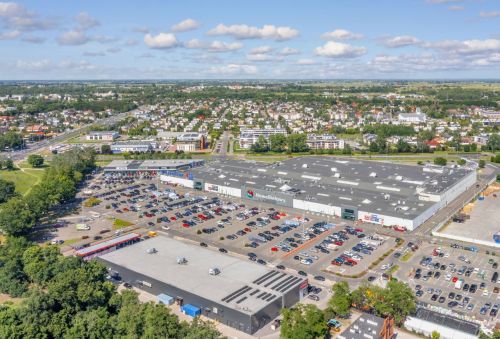
Polish private money is also making its presence felt in retail parks – a segment that’s become increasingly busy in recent years, particularly for family offices and local investors.
We’re not really seeing the big ‘core’ funds in the market anymore – those used to be the main capital providers. A lot of deals now come from investors making their first or second ventures into Poland. At the same time, Polish private capital is incredibly active in retail parks – an asset type that suits private wealth perfectly: modest scale, simple lease structures, and predictable cashflows.
Søren Rodian Olsen, Managing Director, Logicenters Poland/Urban Partners
Local Investors Now Account for Around 20 pct
These shifts are happening as the capital supply structure of the real estate market is being reshaped. With many Western European core funds keeping a lower profile, private and regional investors are accounting for a growing share of the activity.
The panellists estimated that Polish capital now represents roughly 20 pct of all investment volume – a striking change from just a few years ago when its role was marginal.
However, much of this capital remains relatively un-institutionalised. With no REITs or mature investment vehicles available, opportunities for broad, transparent property investment remain limited compared with Western or even Central Europe.
Still, the panellists pointed out that Poland already has a significant base of private residential and commercial portfolios that operate largely outside formal institutional structures.
Space for More Investment
On the macroeconomic front, Witold Orłowski, Chief Economic Advisor at PwC Poland, noted that despite the war next door and global tensions, Poland remains one of the fastest-growing economies in Europe. Its relatively low private sector debt creates room for further investment funded by domestic capital.
He also highlighted that increasingly sophisticated Polish investors are expanding beyond their home turf.
After building strong portfolios in Poland, many investors are now eyeing deals across Central and Eastern Europe, drawn by similar market dynamics, regulations and operational principles.
Agnieszka Stankiewicz, partner and co-head of real estate practice at Greenberg Traurig Warsaw
Private Capital Taking the Lead
The Emerging Trends in Real Estate 2026 report makes it clear: in a world of limited liquidity and selective access to finance, private capital – from family offices, private wealth, and flexible investment structures – is becoming ever more influential.
It’s a global trend, visible across Europe. Here in Poland, it’s expressed through the growing share of domestic capital, which not only stabilises the local market but increasingly looks for opportunities across the CEE region.
Marcin Juszczyk, chair of ULI Poland
Experts at the event agreed: the rise of Polish capital isn’t some temporary blip, but the result of deep, structural changes in both the economy and investor base – changes that will continue to shape the property market in Poland and beyond for years to come.
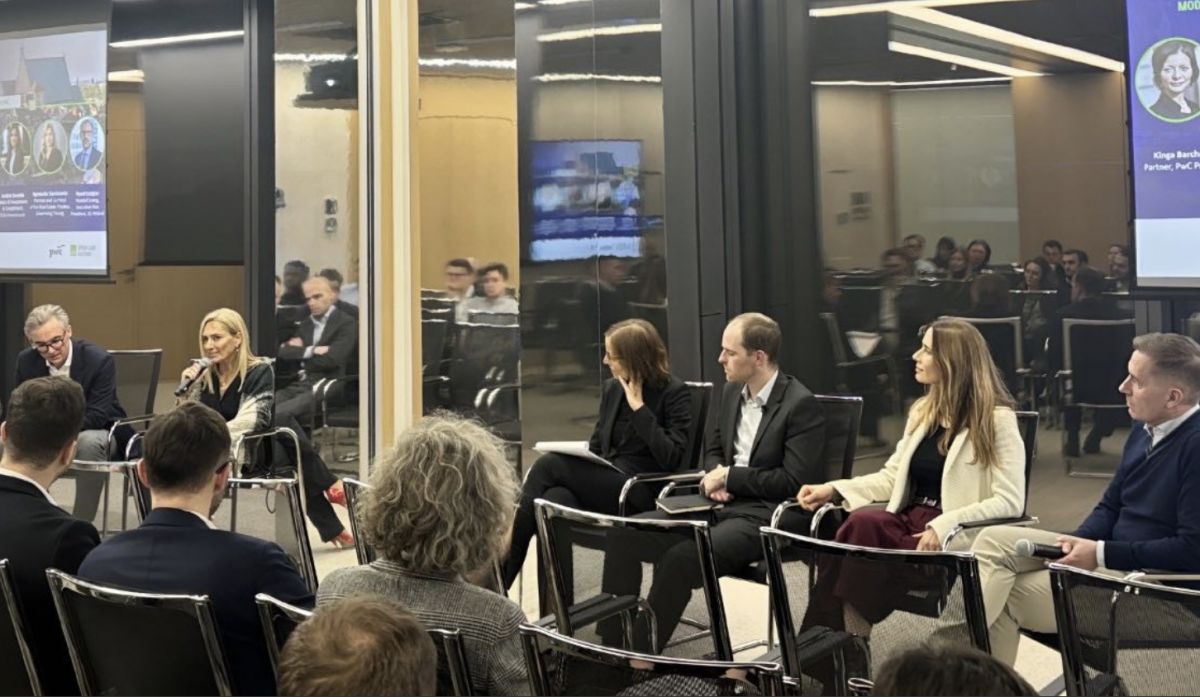
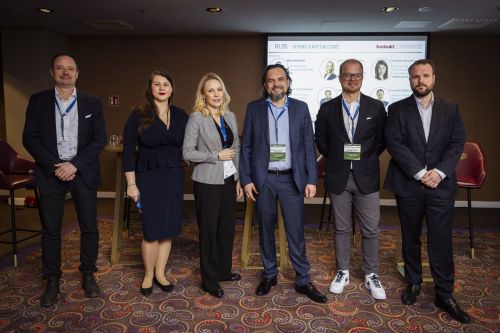
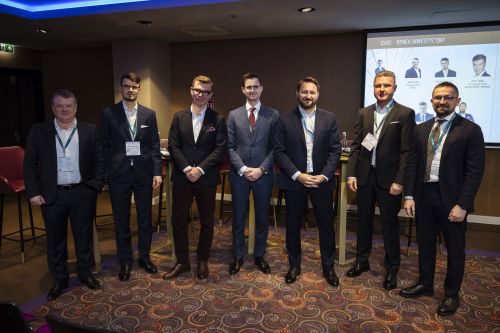
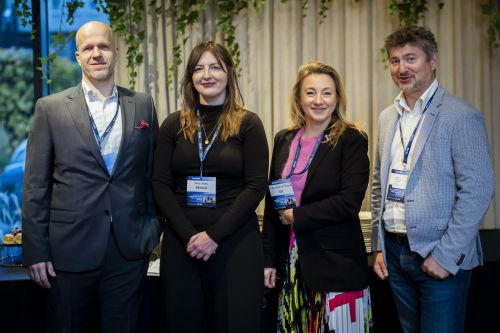
The Warsaw event marked the Polish edition of ULI and PwC’s Emerging Trends in Real Estate Europe 2026, held at Greenberg Traurig’s offices and bringing together developers, investors, advisers, and legal and economic experts to discuss the key forces shaping Europe’s property market – with a special spotlight on private and regional capital.

Strong warehouse sector whilst capital cautious and offices yet to rebound
Newmark Polska
Poland’s commercial real estate market enters 2026 in good health and with solid growth potential. Warehouses remain one of the strongest sectors in Europe, while constrained ...
The end of greenwashing as flex grows in strength
Walter Herz
The office sector is entering a period of deeper qualitative and financial scrutiny. Decisions regarding new projects, refurbishments, or leasing are now supported by more thorough ...
The quiet revolution in Małopolska
Axi Immo
Developers across the region are increasingly favouring heat pumps and photovoltaic systems over traditional gas boilers in warehouse construction. This shift marks a growing commi ...