











CEE region Investment on the rise across the region
Investment & finance
While many European markets are moving towards gradual normalisation, the CEE region is distinguished by a stronger growth rate, greater risk appetite, and greater certainty regarding the macroeconomic environment.
According to the survey, 58 pct of investors operating in Central and Eastern Europe plan to increase their buying activity in 2026, compared to 56 pct across Europe. The sell-side activity is even more pronounced: 48 pct of CEE investors expect to sell more assets, significantly above the European average of 41 pct. At the same time, the percentage of investors reluctant to sell has fallen to just 10 pct from over 22 pct. two years earlier, reaching an all-time low. These trends indicate that the CEE market is entering a phase of accelerated asset turnover, driven by both the search for opportunity and the need to recycle capital.
Value-adding strategies are gaining importance amid market corrections
In the current market environment, investment strategies are pragmatic. 41 pct of CEE investors are opting for value-added strategies, compared to 37 pct across Europe, while 17 pct each indicate a preference for core strategies. This demonstrates a greater emphasis on repositioning, selective redevelopment, and opportunities for higher returns as investors grapple with liquidity gaps, pricing, and increased growth volatility.
According to our survey, one in five European investors plan to allocate capital to the CEE region. London remains at the top of their list, but Warsaw has risen from fifth to third place, reaching its highest position ever. It has thus overtaken traditional Western European centres such as Berlin and Paris.
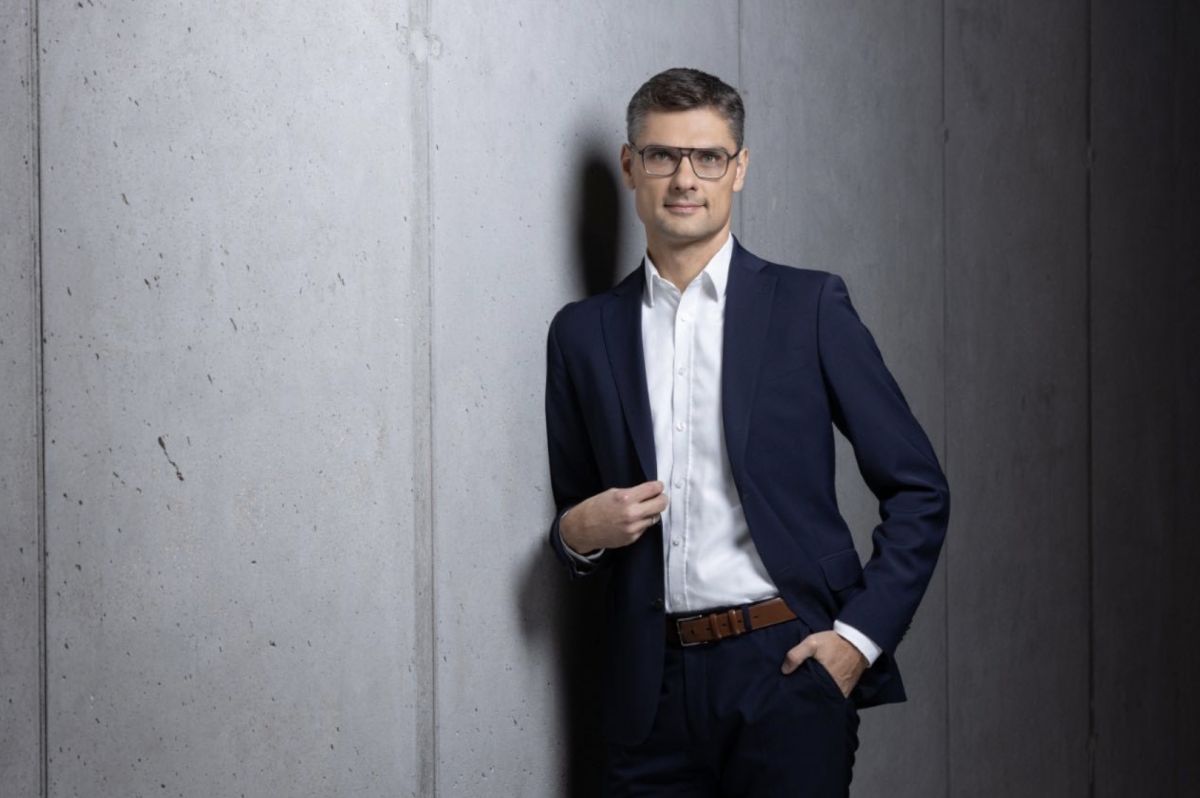
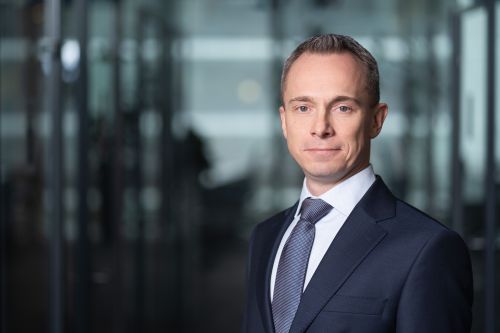
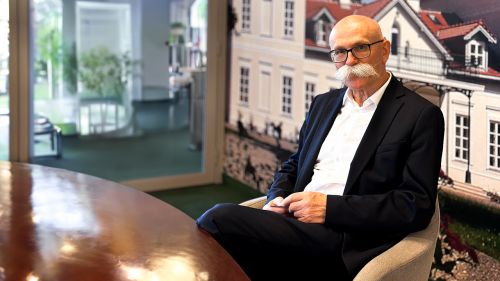
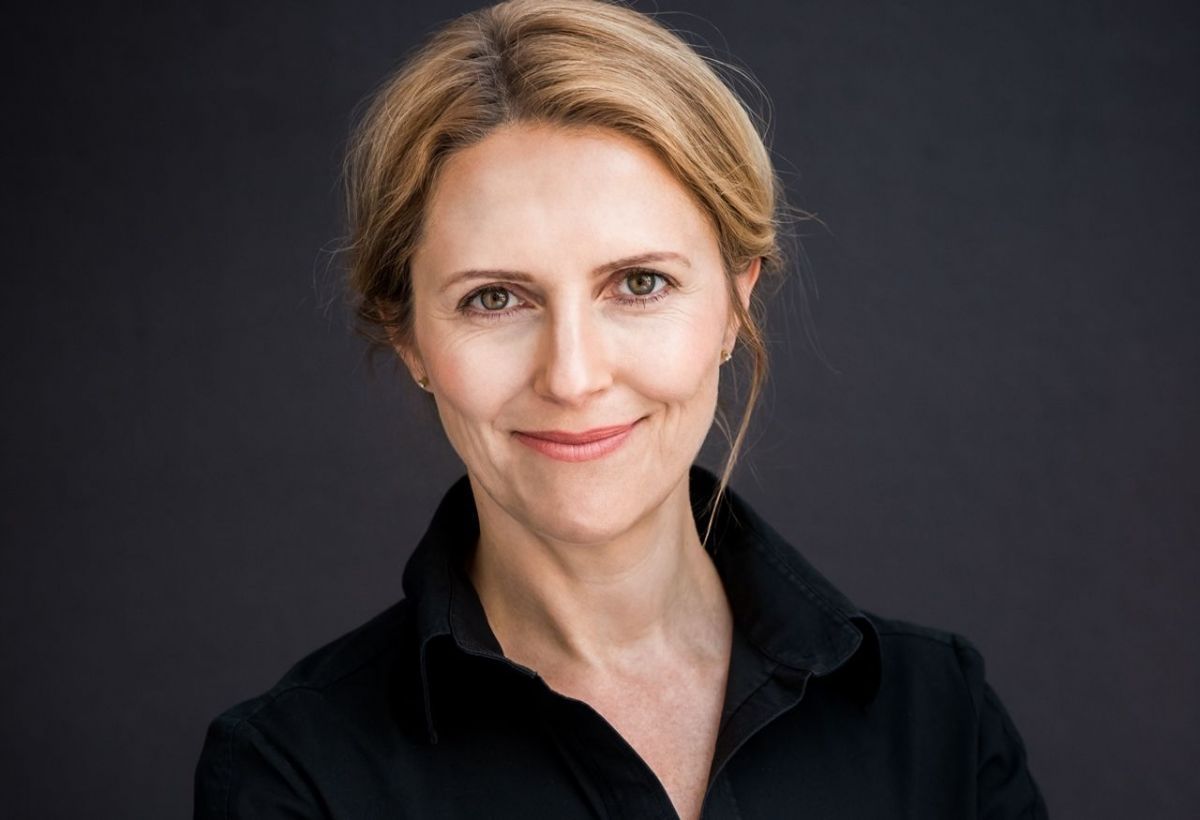
Przemysław Felicki, director in the capital markets department at CBRE
The gap between the pricing expectations of transaction parties widened, increasing from 51 pct to 59 pct in Central and Eastern Europe, while a slight decrease from 64 pct to 62 pct was recorded across Europe. This demonstrates the continuing tension between buyer and seller expectations.
Favourable conditions foster confidence
Despite the increased risk, investors point to several factors fostering confidence in the Central and Eastern European market. Lower debt costs are cited by 59.8 pct of investors in the Central and Eastern European region, compared to 46 pct across Europe, making it the most important factor in the region. Attractive entry prices (43.3 pct) and a reduced number of development projects (40.9 pct) are also more frequently cited as positive factors in the CEE region compared to the broader European sample, supporting investment decisions.
At the European level, sentiment has improved significantly: 89 pct of investors expect purchase activity to increase or remain stable in 2026, and 83 pct anticipate sales activity to increase or remain stable. This overall improvement in sentiment is reflected in Central and Eastern European markets, where investors increasingly see 2026 as a time of transaction recovery.
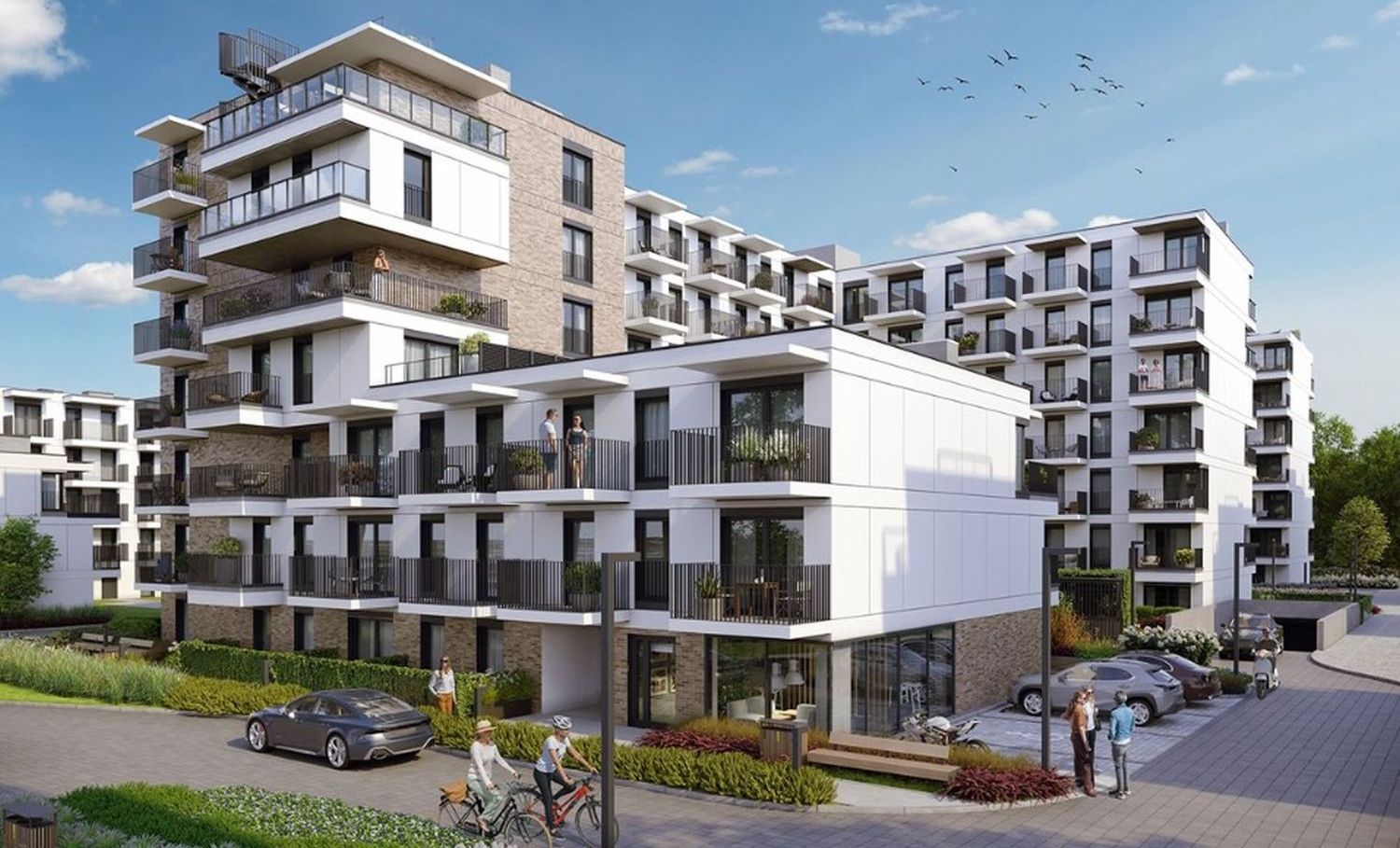
Residential Sector Remains a Market Pillar
Residential real estate remains the most attractive sector across Europe. Investor preference for residential properties has increased from approximately 23 pct in 2022 to nearly 34 pct in 2026. After peaking in 2024, logistics fell to around 25 pct, while the office sector saw a decline, from nearly 39 pct in 2022 to around 13 pct in 2026. The retail and hospitality sectors have stabilised at low- to mid-single-digit levels. Investor preferences in Central and Eastern Europe are consistent with this trend.
Capital allocations are shifting from logistics dominating in 2024 towards a more balanced mix of sectors by 2026. Residential real estate remains key, despite continued limited investment volumes in some parts of the region. Retail and hotel properties are gaining in importance, while office properties are seeing a slight increase in popularity after a sharp decline following the pandemic, adds Przemysław Felicki.
Cities in Central and Eastern Europe are gaining ground in investment rankings
The ranking of Europe's most attractive cities for cross-border real estate investment in 2026 has seen significant changes. London maintains its long-standing Poland maintains its top position, with Madrid and Barcelona securing their spots in the top five. The most significant change for the CEE region is Warsaw's rise to third place, its highest ranking to date and underscores the growing international appeal of select CEE markets. This change coincides with a relative decline in the rankings of several traditionally dominant Western European cities.
At the national level, Poland ranks third among European markets expected to generate the highest total property returns in 2026, after Spain in first place and the United Kingdom in second.
ESG Issues Driven by Risk and Price Sensitivity
Sustainability continues to influence investment decisions across Europe and CEE. Retrofitting existing buildings is considered the most common ESG strategy, prioritised by 67 pct of CEE investors, compared to 63 pct across Europe. Furthermore, 33 pct of CEE investors are demanding price reductions for assets with poor sustainability performance, compared to 23 pct. in Europe. In contrast, 24 pct are more likely to avoid such assets altogether, compared with 21 pct at the European level. While ESG issues impact almost all investors in Central and Eastern Europe, they are often used to mitigate risk and lower costs, rather than to prioritize proactive sustainability improvements. Increasingly, sustainability performance is directly reflected in asset pricing and investment selection.

Strong warehouse sector whilst capital cautious and offices yet to rebound
Newmark Polska
Poland’s commercial real estate market enters 2026 in good health and with solid growth potential. Warehouses remain one of the strongest sectors in Europe, while constrained ...
The end of greenwashing as flex grows in strength
Walter Herz
The office sector is entering a period of deeper qualitative and financial scrutiny. Decisions regarding new projects, refurbishments, or leasing are now supported by more thorough ...
The quiet revolution in Małopolska
Axi Immo
Developers across the region are increasingly favouring heat pumps and photovoltaic systems over traditional gas boilers in warehouse construction. This shift marks a growing commi ...