












Poland Domestic investment on the rise
Investment & finance
After two years of uncertainty, the real estate market in Central and Eastern Europe has clearly accelerated. According to the 'CEE Investment Scene' report by Colliers, the total transaction volume came to EUR 11.6 bln in the region's six main markets in 2025, representing a 31 pct year-on-year increase. Poland remained one of the region's leaders with an investment volume of EUR 4.5 bln. Domestic capital played a significant role, with a share of EUR 860 mln – the highest level of local investor involvement in the history of the Polish real estate market.
Despite the year-on-year decline in transaction volume in Poland, demand from domestic investors and returning foreign capital remained stable for key office properties, logistics portfolios, and thriving retail parks. The timing of transaction completion also influenced the market – as many as 40 pct of them closed in the fourth quarter, when transaction prices became more stable.
In 2025, unprecedented activity by Polish investors was particularly noticeable, as they increasingly boldly and consciously invested their capital in commercial real estate.
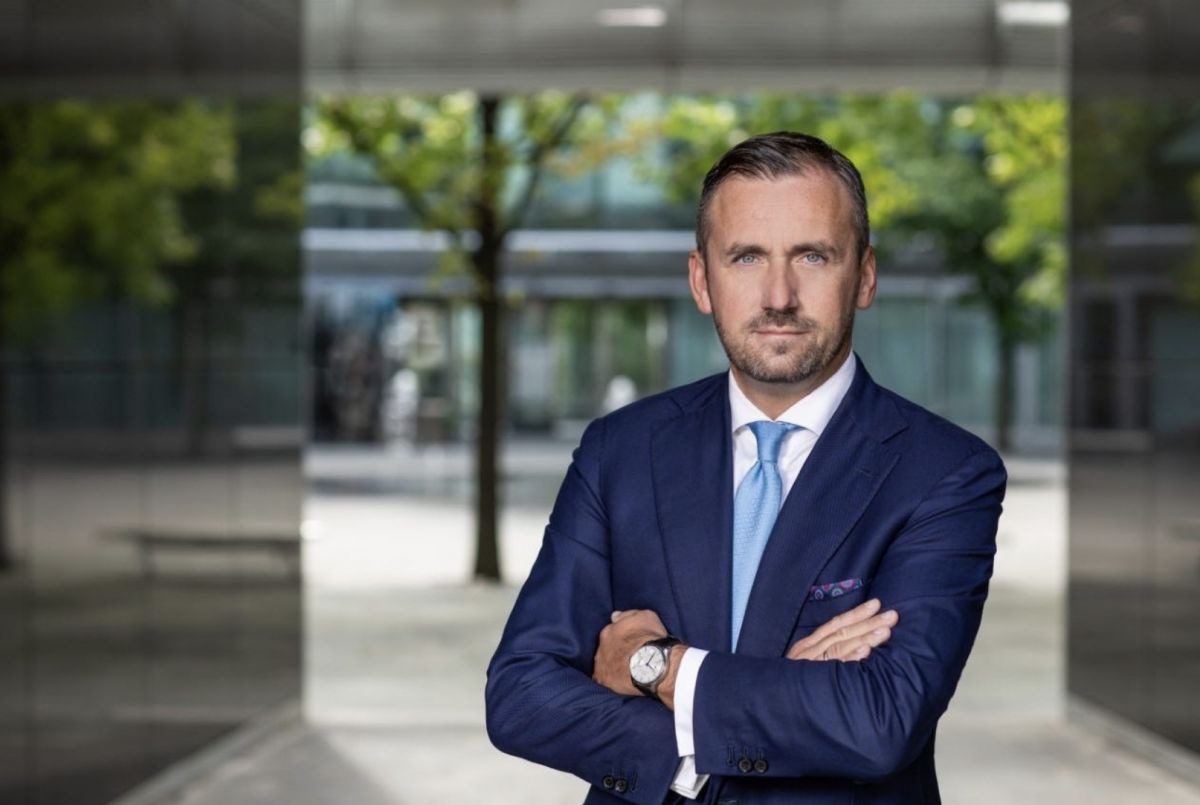
We clearly see that domestic investors have become a significant group of buyers in the Polish market. After years of dominance by foreign capital, a new wave of domestic buyers has emerged – both private entrepreneurs, family offices, and public institutions. These are largely businesses that built capital in completely different sectors and are now seeking stable assets that protect asset value while offering real growth potential. Polish offices and warehouses are currently priced at a significant discount to Western Europe, creating attractive entry opportunities, while the market is also predictable, standardised, and well-secured from a transactional perspective. We expect domestic investor activity to continue to grow in the coming years. The market continues to offer very attractive rates of return, especially since the majority of income is denominated in euros, and access to financing – both domestic and foreign – remains exceptionally good. Combined with the price correction in recent years and the reduced presence of passive Western capital, this creates a unique investment window that Polish investors are increasingly consciously utilising.
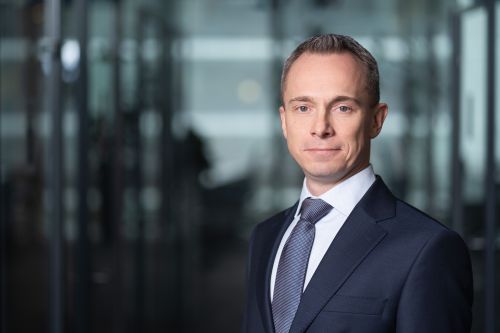
Piotr Mirowski, senior partner, head of investment at Colliers
Situation in the Region
The results of individual CEE countries demonstrate the region's strong diversification. The Czech Republic recorded a record-high investment volume of EUR 5.1 bln, representing 44 pct of total investment activity in the region. Domestic investors played a key role here, accounting for transactions worth EUR 4.3 bln, ensuring high market liquidity, price stability, and smooth transaction completion.
In Hungary, investment volume increased to EUR 0.8 bln, supported by a recovery in the office market, a strong tourism economy, and growing interest in the manufacturing sector, which is linked to Asian supply chains for electromobility. Romania, despite a relatively lower volume of EUR 0.5 bln, saw very strong tenant demand, particularly in the logistics segment, and the improving macroeconomic environment creates a solid foundation for investment growth in the coming quarters. Slovakia, with a result approaching EUR 1 bln, relied primarily on the retail sector, while Bulgaria maintained a stable EUR 0.4 biln, noting growing investor interest in the context of the adoption of the euro and a favorable outlook for 2026.
Offices, Warehouses, and Retail Parks
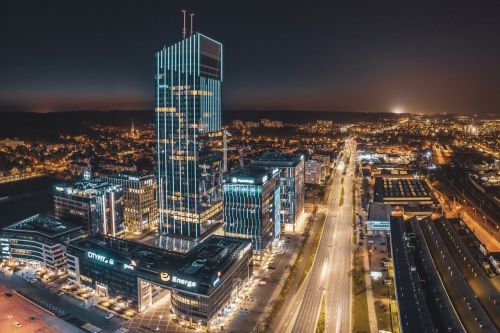
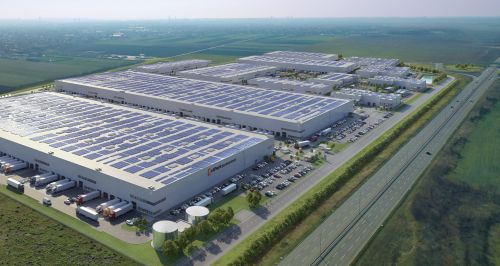
At the regional level, office space gradually regained investor interest thanks to rising rents and limited supply in prime locations such as Warsaw's CBD and Prague's central districts. Logistics remained a stable pillar of the market – driven by attractive returns in the multi-tenant segment, long leases, and more readily available bank financing for properties with long-term income.
Competing with Western economies, Central and Eastern Europe is seeking to attract investors with the favourable capital value of acquired properties, combined with the potential for further expansion of the tenant base. Another significant factor is the impressive availability of bank financing, which allows for further improved returns, explains Piotr Mirowski.
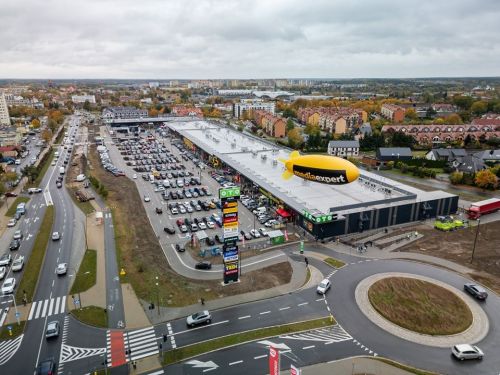
In 2025, the retail sector continued to maintain a strong position, with retail parks remaining the most resilient and liquid asset class. The hotel sector also experienced dynamic growth in the region, particularly in Prague and Budapest, and
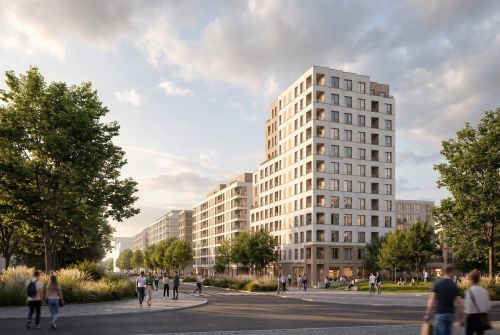
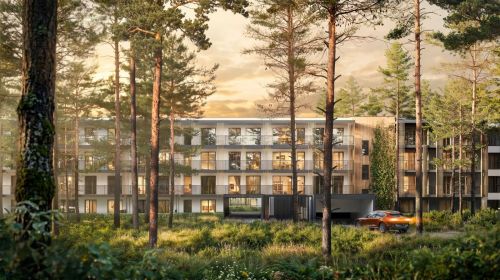
The living segment – including PRS and PBSA – has been attracting increasing investor interest, particularly in Poland.
Forecasts for 2026
The macroeconomic situation is significantly more favourable today than a year ago. Inflation in Central and Eastern Europe has slowed, central banks have continued their cycle of gradual interest rate cuts, and banks have begun to grant loans with greater confidence.
However, the key catalyst for 2026 remains the return of liquidity. Experience from the end of 2025 in Poland and throughout the year in the Czech Republic shows that properly priced assets attract buyers, and the market can react quickly when price and quality are fully aligned with current market conditions. In Poland, we expect a moderate, gradual increase in investment activity, driven primarily by transactions involving individual office and logistics assets and the growing importance of the rental housing and PBSA sectors.
Grzegorz Sielewicz, chief economist for CEE at Colliers

Strong warehouse sector whilst capital cautious and offices yet to rebound
Newmark Polska
Poland’s commercial real estate market enters 2026 in good health and with solid growth potential. Warehouses remain one of the strongest sectors in Europe, while constrained ...
The end of greenwashing as flex grows in strength
Walter Herz
The office sector is entering a period of deeper qualitative and financial scrutiny. Decisions regarding new projects, refurbishments, or leasing are now supported by more thorough ...
The quiet revolution in Małopolska
Axi Immo
Developers across the region are increasingly favouring heat pumps and photovoltaic systems over traditional gas boilers in warehouse construction. This shift marks a growing commi ...