






Poland Land shortage changing market
Investment & finance
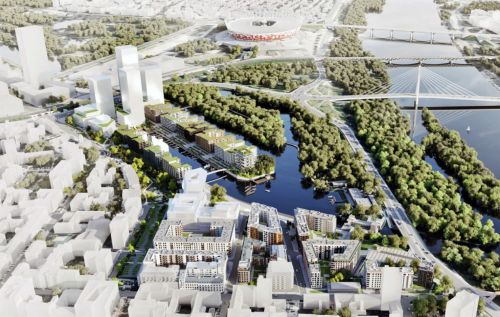
In the main markets, prices for residential plots have increased by an average of approximately 5 pct year-on-year. In Warsaw, prices outside the city centre have reached up to PLN 8,000 per sqm of usable residential area, while in the city centre, the upper limit of valuations reaches approximately PLN 16,000 per sqm.
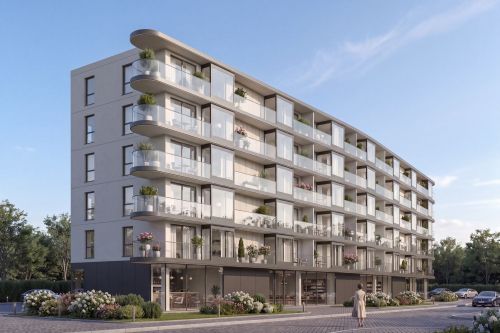
A plot in a prime location is no longer just a resource for development – it is becoming a reserve asset. With supply in the most attractive locations shrinking, financing costs high, and housing demand consistently strong, more and more investors are treating land purchases as long-term value security, not as a pre-construction step.
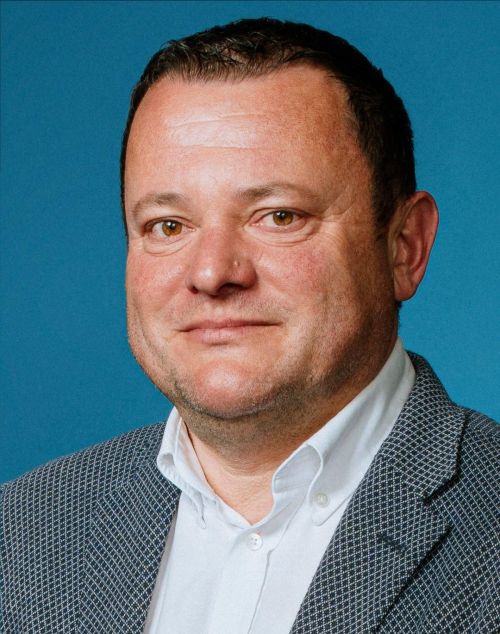
Tomasz Lewandowski, head of land & mid-cap investments at JLL
Plots requiring legal clearance or additional investment are also returning to favour. The depletion of prime land in metropolitan areas has drawn developers' attention to them. At the same time, the importance of mergers and acquisitions is growing: with limited available plots, developers are more likely to acquire companies with land banks.
Housing: Growth Continues
In 2025, over 500 new residential projects were launched in the six largest markets, which directly translated into demand for land. According to the report, the average annual increase in land prices over the last five years has been 5-12 pct, and the share of land costs in apartment prices in the largest metropolitan areas is currently 15-30 pct. The years 2022-2023 saw a significant increase in rates, but this was a consequence of a shift in transaction structure – developers, constrained by financing costs and weaker demand in the high-end segment, shifted their purchases to more expensive districts. Following the launch of the "Safe 2 pct Credit" subsidy program, there was a return to less expensive locations; average transaction prices fell, but this does not reflect a decline in value in individual segments, but rather a shift in the purchase mix. In Warsaw, the price range highlights the importance of address: transactions outside the city center reach PLN 8,000 per sqm of usable area, while in the city center, the current upper limit is approximately PLN 16,000 per sqm of usable area.
Integrated Investment Plans are an important tool for land acquisition
Integrated Investment Plans (IIPs) are becoming a key tool for developers in acquiring new supply, although market practice is still in its infancy. At the same time, the era of open-ended planning permissions has ended with the entry into force of the new regulations. Development planning permissions outside the development areas will be difficult to obtain, which will reduce the value of some land. The market is consistently characterised by polarisation in transaction times: plots with valid building permits sell quickly, while the finalisation of processes requiring zoning changes (formerly "lex developer," now ZPI) takes up to several years.
It is worth noting that the material impact of investor participation in the ZPI procedure is also growing. Local governments are developing various mechanisms for calculating the contribution – for example, in Warsaw, the contribution reaches approximately PLN 1,200 per sqm of usable area. This component is increasingly being permanently incorporated into financial models and may differentiate companies' ability to implement projects in prime locations.
Integrated Investment Plans open the window for new residential projects, but at the same time raise the bar in terms of costs and organisation. Those who can quickly translate the land bank procedures into a successful one will win – from securing plots, through participation, to efficiently completing formalities.
Karolina Mokrzycka, director, land & mid-cap investments at JLL.
Institutional Leasing and Student Housing: Stable Demand for Commercial Land
The private student housing sector has had a very good year: 21 projects comprising over 5,900 units were delivered in 2025, and 29 projects with approximately 10,500 units are under construction. The private student housing (PBSA) segment added seven new projects, and the pipeline for 2026–2028 includes approximately 3,900 beds. As many as 70 pct of new PRS and PBSA investments are being developed on commercial land, converting it from office and retail use. Last year, another 165,000 sqm of space was added. Offices and retail space have been converted to residential use (including PRS) or are in the process of being converted. Since 2020, approximately 200,000 sq m of retail space and approximately 450,000 sqm of office space have already been converted.
Retail: Retail Parks Still Top
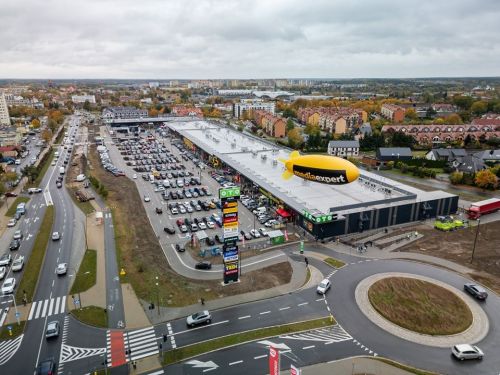
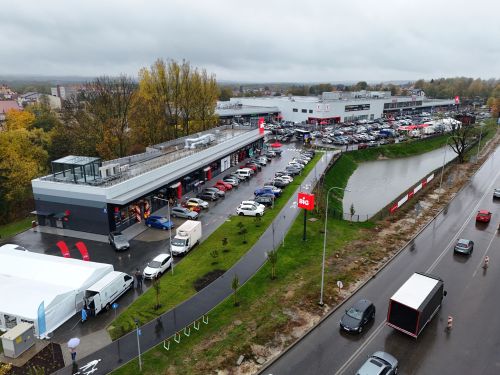
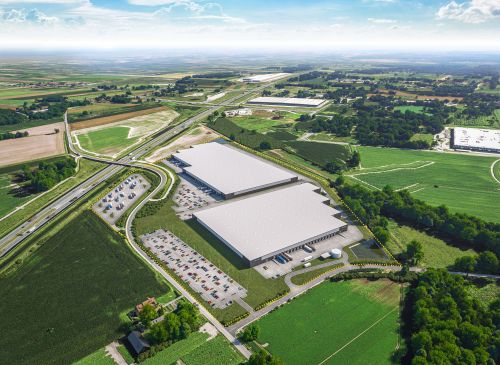
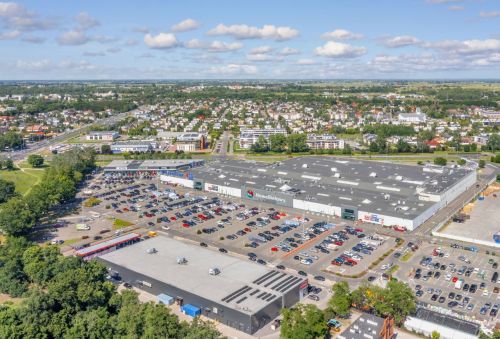
Retail park and convenience centre formats maintain high demand for developed land. Over the past five years, approximately 5.6 mln sqm of land has been developed for these types of projects. Diversification
Prices are strongly dependent on the format and location. In towns with up to 50,000 inhabitants, land costs for retail parks and convenience centres currently range from PLN 400-1,000 per sqm gla. On the outskirts of large cities, these prices can be up to twice as high, and in metropolitan centres, they can reach five times the rates recorded in smaller cities. Against this backdrop, location selection is becoming increasingly important, as the first signs of saturation are visible in selected regions.
Offices: Very Limited Supply
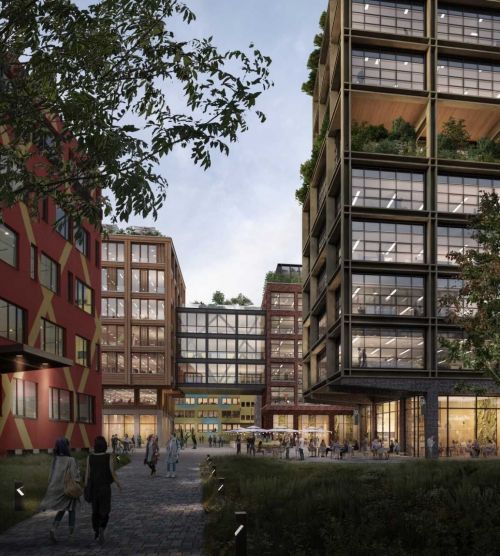
New office supply is rapidly shrinking, with new investments concentrated in centres. In Warsaw, the expected average annual growth is approximately 70,000 sqm, and in regional markets, over 80,000 sqm. The volume of office space under construction is approximately 85% lower than in the record-breaking year of 2018, which favours modernisations and conversions of existing facilities in prime locations.
Outlook
According to JLL experts, the revived demand for land – especially residential land – will continue in the long term. Despite uncertainty about interest rates, housing demand remains resilient. Demographic trends provide long-term support: by 2035, the share of the urban population will increase by approximately 0.6 percentage points, and the number of households will increase despite population decline. In these circumstances, JLL expects residential land prices to continue to grow at approximately 5–7 pct annually, with a continued high premium for prime locations and the growing importance of planning costs in profitability calculations.

Sales up, supply down
JLL Polska
In the first quarter of 2026, the Polish housing market recorded a significant increase in sales. A total of 12,900 apartments were sold across the country's seven largest cities ( ...
Rent isn't everything. The real costs of leasing warehouse space
Newmark Polska
Choosing a new warehouse takes much more than simply comparing rental rates across a few or even a dozen centres. With rising energy costs and varying technical standards, the actu ...
A good foundation from which to grow
CBRE
Poland's role and the strength of its economy are increasingly visible in the European commercial real estate market. We have strengthened our leading position in Central and Easte ...