









Poland The importance of resilience
Investment & finance
Dual-use in real estate, or two levels of resilience
Resilience is strategically important on two levels – defensive and offensive. The first refers to the ability to maintain business operational continuity. The second concerns the ability to unlock and leverage development potential, such as the potential inherent in new technology, as levers for accelerated, exponential growth.
Just a few years ago, location decisions were based primarily on assessing current operational efficiency. Today, we are observing a clear paradigm shift – economic resilience in a business is the ability to maintain business continuity in conditions of growing geopolitical uncertainty. The debate at the East x West Forum 2026 clearly demonstrated that concepts such as compatibility and integration already apply to the entire economic ecosystem. The voices of leaders from Palantir, Google, BAE, and Stanford University were incredibly inspiring, speaking about the exponential acceleration offered by AI-based technologies today. At JLL, we share this view – we leverage our knowledge, market data, and the latest LLM models to support partners from the investment, energy, and real estate sectors to navigate this transformation as best as possible.

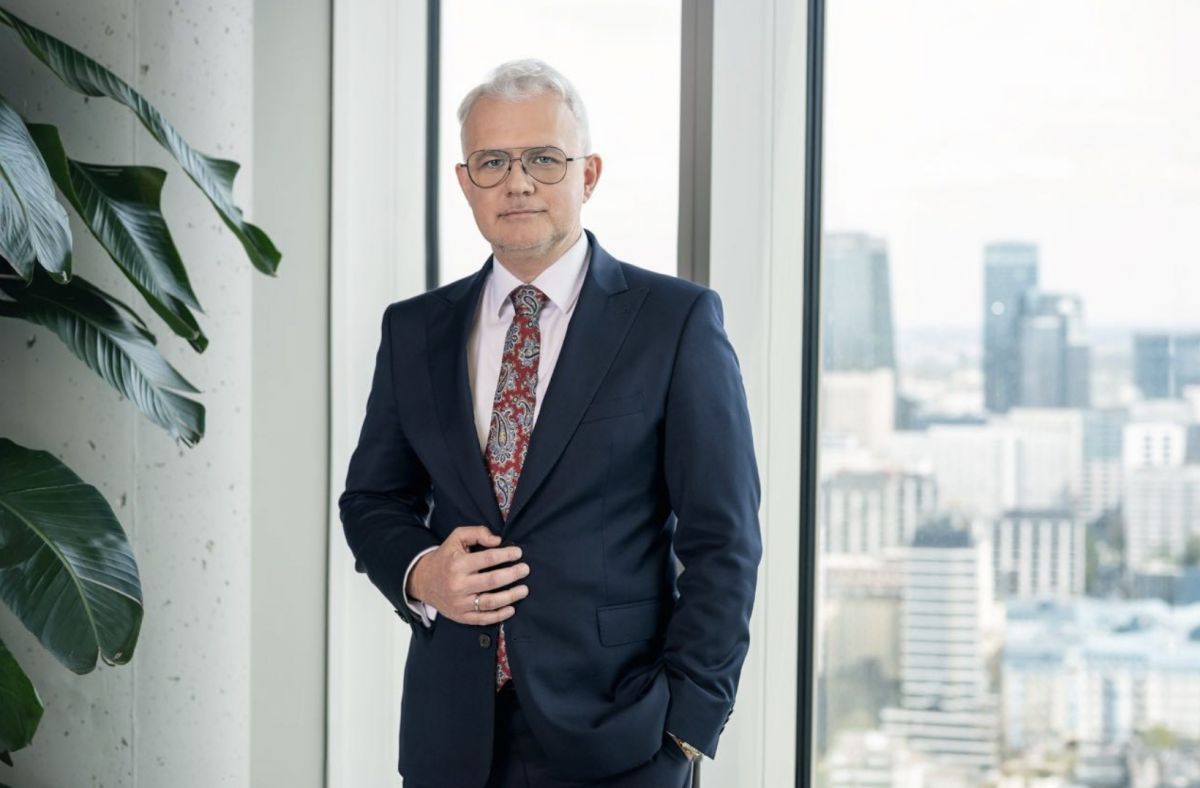
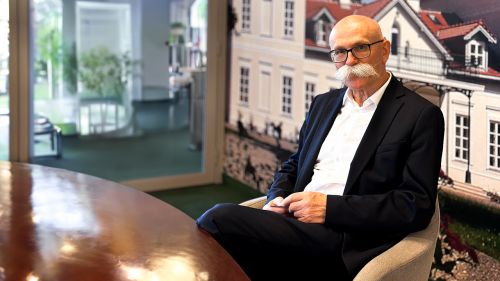
Mateusz Bonca, CEO, JLL in Poland
Shifting from Cost Efficiency to Resilience
When deciding on locations for data centres, R&D hubs, and logistics platforms, geopolitical and institutional stability as well as energy potential, and infrastructure readiness plays an increasingly important role. Cost efficiency is not disappearing from the equation, but it is no longer the only variable. JLL points out that dual-use in real estate means assets that protect against threats and mitigate risk while enabling growth.
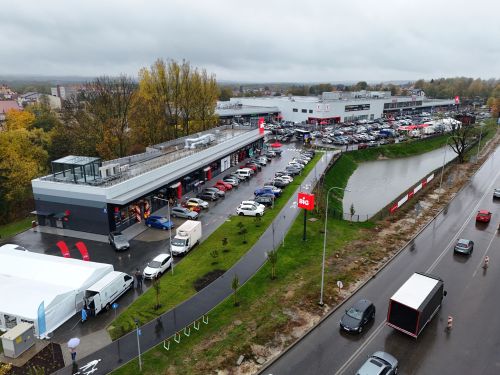
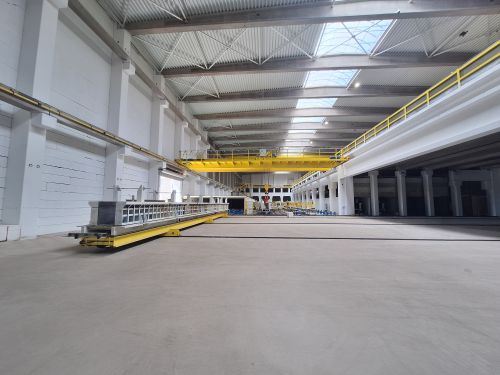
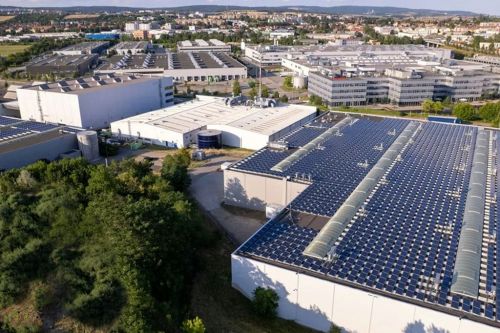
Today, warehouses, production plants, and data centres are no longer solely real estate assets; they are a component of a country's economic resilience and operational security. Factors such as political stability, access to energy, good transport infrastructure, and the ability to service critical sectors – from advanced manufacturing to security technologies – are becoming even more important to investors. Poland meets all these conditions and has the potential to become a major investment hub between East and West, especially in the area of dual-use projects. We are already involved in such projects, implemented in the south of the country.
Artur Pakuła, head of project & development services and Tétris Design & Build for the northern cluster, JLL
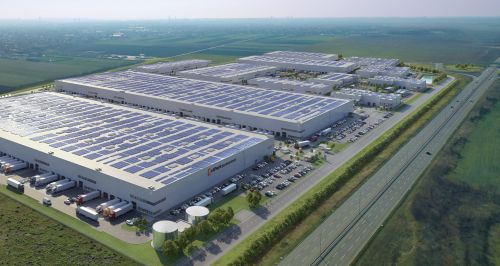
Warehouse Real Estate Market a Leading Beneficiary of Change
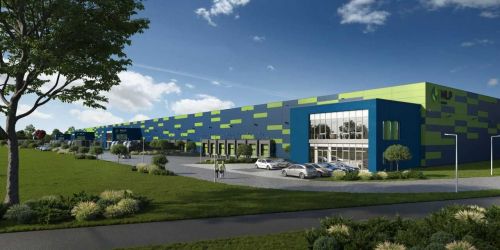
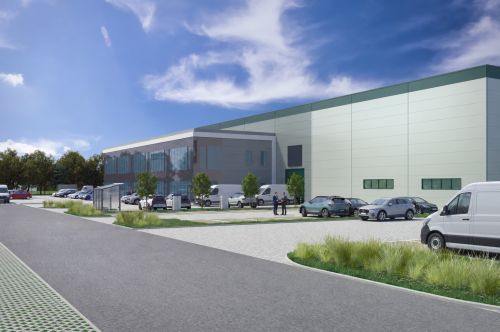
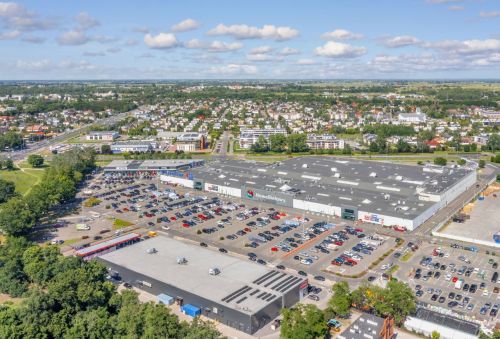
The industrial real estate market will be a clear beneficiary of the new paradigm. JLL estimates that the current stock of modern warehouse space in Poland, which currently stands at 40 mln sqm, could increase by another 20-30 mln sqm over the next 10 years. The expansion of warehouse infrastructure will be driven, among other things, by modern projects addressing the needs of security and stability in supply chains. Poland combines market maturity with continued significant expansion potential, which supports the need to integrate it into long-term business development plans. Its strategic location (a key logistics hub in Central and Eastern Europe), modern and rapidly growing transport infrastructure, and access to skilled labour are also important factors. These factors ensure that the Polish market meets the needs of companies seeking locations that combine stability with growth prospects.
Poland has just become one of the world's 20 largest economies, which, above all, sends a strong signal to investors that Poland has reached a level of maturity and stability that supports long-term business growth. It is clear that Poland's economic development directly translates into the growing importance of the industrial real estate leasing sector. I am convinced that if the current economic trends are maintained and this segment continues to grow, Poland will continue to strengthen its position in Europe, and the rental market will remain one of the key beneficiaries.
Przemysław Dutkiewicz, senior director, business development, JLL
Local content is key to developing dual-use potential
According to the CEO of JLL in Poland, fully using this dual-use potential will require the broadest possible engagement of local knowledge and resources. To make this possible, it will be crucial to ensure the transparency of the defence sector to allow Polish companies to truly compete in the market.
To fully realise the enormous potential of dual-use, demystification"and greater transparency of the defense sector are crucial. This is the simplest path to increasing local content. Polish companies, knowing the rules of the game, can offer innovative solutions and adapt their assets to the state's resilience strategy. Therefore, it is crucial to continue building platforms for expert collaboration. Our role at JLL is to actively support this process and translate strategic defence goals into the language of specific, profitable real estate projects.
Mateusz Bonca

A good foundation from which to grow
CBRE
Poland's role and the strength of its economy are increasingly visible in the European commercial real estate market. We have strengthened our leading position in Central and Easte ...
Zero-emission, zero-backup? The resilience gap in modern building standards
Independent Expert
As commercial buildings move rapidly toward full electrification, modern standards optimise for efficiency and emissions – but largely assume uninterrupted power supply. In C ...
Strong warehouse sector whilst capital cautious and offices yet to rebound
Newmark Polska
Poland’s commercial real estate market enters 2026 in good health and with solid growth potential. Warehouses remain one of the strongest sectors in Europe, while constrained ...