












Germany Munich slows down
Warehouse & industrialschedule 09 July 2026

Opr./edited by AH
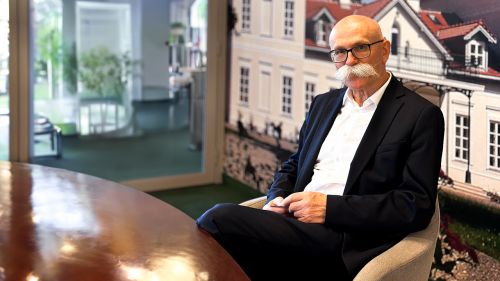
Nicolas Werner, managing director of Realogis
1 / 1
Realogis recorded take-up of 115,700 sqm on Munich’s logistics and industrial property market in H1 2026. Of this total, warehouse space accounted for 99,500 sqm or 86 pct, office space for 13,900 sqm (12 pct) and mezzanine space for 2,300 sqm (2 pct).
You are reading this content because it is covered by the free limit. Buy full access!
Compared with the strong first half of 2025, this represents a decrease of 26,200 sqm or 18 pct (H1 2025: 141,900 sqm). The five-year average of 124,340 sqm was missed by 7 pct. The three largest lease transactions, by Schletter Group, ARX Robotics and Logline express, together accounted for 22 pct of the total.
Prime rent remained unchanged at EUR 13.50/sqm in H1 2026, staying at the level recorded in the same period last year and at year-end 2025. It had previously risen continuously since 2022. The current figure beat the five-year average for first-half periods of EUR 11.25/sqm by 20 pct. Average rent increased moderately by 2 pct to EUR 9.20/sqm (H1 2025: EUR 9.00/sqm), placing it around 12 pct above the five-year average of EUR 8.23/sqm. Existing properties dominate as greenfield developments fall sharply
Lettings in existing properties dominated the Munich market in H1 2026. They accounted for 88,800 sqm or 77 pct of total take-up. Compared with the same period last year, this represents an increase of 9,800 sqm or 12 pct. New builds on former brownfield sites contributed 24,000 sqm or 21 pct to total take-up, down by 8,600 sqm or 26 pct compared with H1 2025. New builds on greenfield sites played only a minor role. After 30,300 sqm or 21 pct in the same period last year, take-up in this segment fell by 27,400 sqm or 90 pct. Only 2 pct of total take-up was attributable to this category. This decline was the main reason for the weaker overall market result. Munich’s logistics and industrial property market remained a purely rental market in H1 2026. By building type, other properties that were assigned neither to big-box spaces nor to business parks led the market. They reached 68,700 sqm or a 59 pct market share, an increase of 24,500 sqm compared with the same period last year. Business parks followed in second place with 32,600 sqm. Big-box spaces fell from first to third place and contributed only 14,400 sqm or 13 pct to take-up (H1 2025: 66,500 sqm / 47 pct). Munich’s north region remains ahead but declines significantly
Munich’s north region remained the strongest region by take-up, with 57,300 sqm or a 49 pct market share (H1 2025: 94,400 sqm / 67 pct). In a regional comparison, however, the north was the only region to record a decline in take-up. The decrease amounted to 37,100 sqm or 39 pct. The two headline deals by ARX Robotics and Logline express accounted for 27 pct of take-up in Munich’s north region. The eastern region again ranked second with 31,900 sqm or 28 pct, recording slightly more than in the same period last year of 30,100 sqm. The largest lease transaction of the first half of the year, concluded by Schletter Group for 9,440 sqm, contributed 30 pct to regional take-up. Munich’s west region remained in third place with 15,000 sqm or 13 pct and missed its five-year average of 19,800 sqm by 24 pct. The southern region ranked last with 11,500 sqm or 10 pct, but increased by 5,100 sqm or 80 pct compared with the same period last year. Manufacturing takes the top position
Manufacturing was the only sector to record an increase in take-up, taking the top position on Munich’s logistics and industrial property market in H1 2026. Having ranked third in the same period last year, the sector increased its take-up from 23,500 sqm to 61,700 sqm and achieved a market share of 53 pct. This also included two of the three largest lease transactions of the first half of the year, by Schletter Group and ARX Robotics, which together accounted for 17,440 sqm of leased space. Logistics/Distribution again ranked second with 39,700 sqm or 34% (H1 2025: 50,900 sqm / 36 pct). Despite a decrease of 11,200 sqm or 22 pct, the five-year average of 33,160 sqm was beaten by 20 pct. The Supply/Others category ranked third with 7,900 sqm or 7 pct. Retail/Wholesale, still the strongest sector in the same period last year, fell to last place with 6,400 sqm or 6 pct. Compared with H1 2025, this represents a decrease of 51,300 sqm or 89 pct. The absence of large-scale lease transactions in traditional retail was the main reason for this development. Large-scale lease transactions absent as mid-sized segments gain ground
No lease transaction was recorded in the size band of 10,001 sqm and above in the first six months of 2026. In the same period last year, this segment had still led the market and accounted for 54,400 sqm or 38 pct of total take-up. Units between 5,001 sqm and 10,000 sqm moved into first place with 40,400 sqm or a 35 pct share of take-up. This represented an increase of 8,400 sqm or 26 pct. The five-year average of 26,660 sqm was beaten by 52 pct. Medium-sized to larger units between 3,001 sqm and 5,000 sqm followed in second place with 36,900 sqm or 32 pct. This size band recorded the strongest increase in both absolute and percentage terms. The result was more than twice as high as the current five-year average of 18,320 sqm. Smaller units between 1,000 sqm and 3,000 sqm reached 30,400 sqm or 26 pct. Small units below 1,000 sqm played a subordinate role with 8,000 sqm or 7 pct.
I expect market activity to pick up noticeably in the second half of the year. On the one hand, companies from the defence sector are looking for space in the Munich region. On the other, several large deals are already in the pipeline.Prime rent stable, average rent continues to rise
Nicolas Werner, managing director of Realogis
Prime rent remained unchanged at EUR 13.50/sqm in H1 2026, staying at the level recorded in the same period last year and at year-end 2025. It had previously risen continuously since 2022. The current figure beat the five-year average for first-half periods of EUR 11.25/sqm by 20 pct. Average rent increased moderately by 2 pct to EUR 9.20/sqm (H1 2025: EUR 9.00/sqm), placing it around 12 pct above the five-year average of EUR 8.23/sqm. Existing properties dominate as greenfield developments fall sharply
Lettings in existing properties dominated the Munich market in H1 2026. They accounted for 88,800 sqm or 77 pct of total take-up. Compared with the same period last year, this represents an increase of 9,800 sqm or 12 pct. New builds on former brownfield sites contributed 24,000 sqm or 21 pct to total take-up, down by 8,600 sqm or 26 pct compared with H1 2025. New builds on greenfield sites played only a minor role. After 30,300 sqm or 21 pct in the same period last year, take-up in this segment fell by 27,400 sqm or 90 pct. Only 2 pct of total take-up was attributable to this category. This decline was the main reason for the weaker overall market result. Munich’s logistics and industrial property market remained a purely rental market in H1 2026. By building type, other properties that were assigned neither to big-box spaces nor to business parks led the market. They reached 68,700 sqm or a 59 pct market share, an increase of 24,500 sqm compared with the same period last year. Business parks followed in second place with 32,600 sqm. Big-box spaces fell from first to third place and contributed only 14,400 sqm or 13 pct to take-up (H1 2025: 66,500 sqm / 47 pct). Munich’s north region remains ahead but declines significantly
Munich’s north region remained the strongest region by take-up, with 57,300 sqm or a 49 pct market share (H1 2025: 94,400 sqm / 67 pct). In a regional comparison, however, the north was the only region to record a decline in take-up. The decrease amounted to 37,100 sqm or 39 pct. The two headline deals by ARX Robotics and Logline express accounted for 27 pct of take-up in Munich’s north region. The eastern region again ranked second with 31,900 sqm or 28 pct, recording slightly more than in the same period last year of 30,100 sqm. The largest lease transaction of the first half of the year, concluded by Schletter Group for 9,440 sqm, contributed 30 pct to regional take-up. Munich’s west region remained in third place with 15,000 sqm or 13 pct and missed its five-year average of 19,800 sqm by 24 pct. The southern region ranked last with 11,500 sqm or 10 pct, but increased by 5,100 sqm or 80 pct compared with the same period last year. Manufacturing takes the top position
Manufacturing was the only sector to record an increase in take-up, taking the top position on Munich’s logistics and industrial property market in H1 2026. Having ranked third in the same period last year, the sector increased its take-up from 23,500 sqm to 61,700 sqm and achieved a market share of 53 pct. This also included two of the three largest lease transactions of the first half of the year, by Schletter Group and ARX Robotics, which together accounted for 17,440 sqm of leased space. Logistics/Distribution again ranked second with 39,700 sqm or 34% (H1 2025: 50,900 sqm / 36 pct). Despite a decrease of 11,200 sqm or 22 pct, the five-year average of 33,160 sqm was beaten by 20 pct. The Supply/Others category ranked third with 7,900 sqm or 7 pct. Retail/Wholesale, still the strongest sector in the same period last year, fell to last place with 6,400 sqm or 6 pct. Compared with H1 2025, this represents a decrease of 51,300 sqm or 89 pct. The absence of large-scale lease transactions in traditional retail was the main reason for this development. Large-scale lease transactions absent as mid-sized segments gain ground
No lease transaction was recorded in the size band of 10,001 sqm and above in the first six months of 2026. In the same period last year, this segment had still led the market and accounted for 54,400 sqm or 38 pct of total take-up. Units between 5,001 sqm and 10,000 sqm moved into first place with 40,400 sqm or a 35 pct share of take-up. This represented an increase of 8,400 sqm or 26 pct. The five-year average of 26,660 sqm was beaten by 52 pct. Medium-sized to larger units between 3,001 sqm and 5,000 sqm followed in second place with 36,900 sqm or 32 pct. This size band recorded the strongest increase in both absolute and percentage terms. The result was more than twice as high as the current five-year average of 18,320 sqm. Smaller units between 1,000 sqm and 3,000 sqm reached 30,400 sqm or 26 pct. Small units below 1,000 sqm played a subordinate role with 8,000 sqm or 7 pct.

Who will win and who will lose with changes to the land market
Walter Herz
The biggest change to the land market in years is on the horizon. The spatial planning reform will mean that plots previously considered attractive may lose value, while land with ...
Sales up, supply down
JLL Polska
In the first quarter of 2026, the Polish housing market recorded a significant increase in sales. A total of 12,900 apartments were sold across the country's seven largest cities ( ...
Rent isn't everything. The real costs of leasing warehouse space
Newmark Polska
Choosing a new warehouse takes much more than simply comparing rental rates across a few or even a dozen centres. With rising energy costs and varying technical standards, the actu ...