
















Poland Polish investors enter the scene
Investment & finance
Although domestic investor activity was still limited in the first months of this year, data from 2025 demonstrates the scale of the change – domestic investors invested around EUR 800 mln in that year, with a record 18 pct share of the total transaction volume. This is over 60 pct more than in the previous year and almost three times the average of the last five years.
Who is the Polish investor?
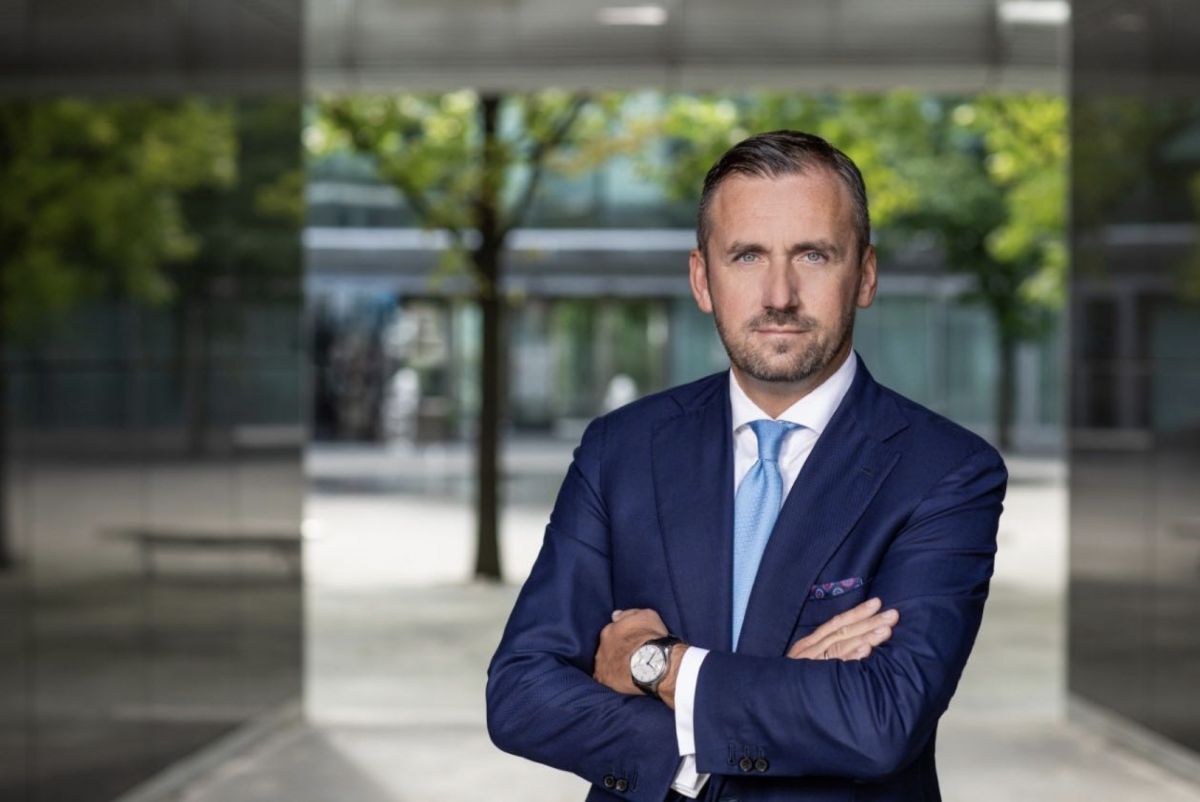
Today's Polish real estate investor is most often an experienced businessman who has raised capital in sectors not directly related to the real estate market. Family offices, public institutions, and companies purchasing real estate for their own headquarters are also playing an increasingly important role.
We are seeing a new wave of buyers who, instead of the risk associated with development projects, are looking for stable, existing assets that generate predictable income and real potential for value growth. This is pragmatic capital, based on long-term thinking.
Piotr Mirowski, director of investment advisory at Colliers
Polish investors most often focus on transactions worth EUR 25-40 mln, with the minimum threshold for entering the commercial real estate market being around EUR 10 mln (slightly over PLN 40 mln).
In practice, this means that an investor requires around PLN 10-15 mln in equity. The remainder is financed with bank debt, which is now widely available again and attractively priced. This significantly lowers the barrier to entry and increases the rate of return on capital invested.
Piotr Mirowski
What and where is Polish capital purchasing?
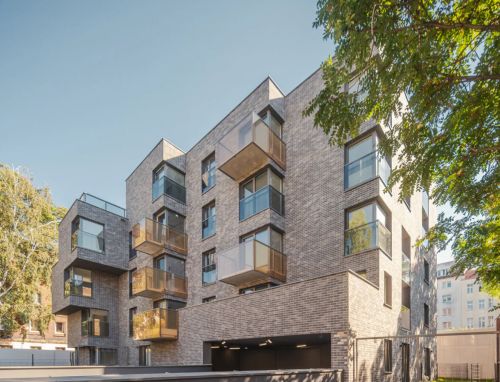
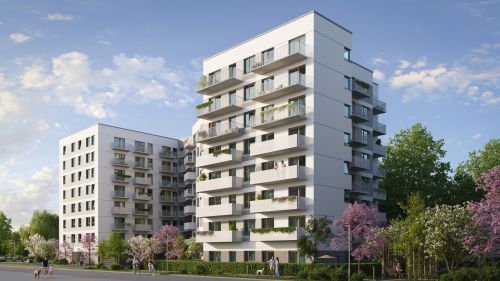
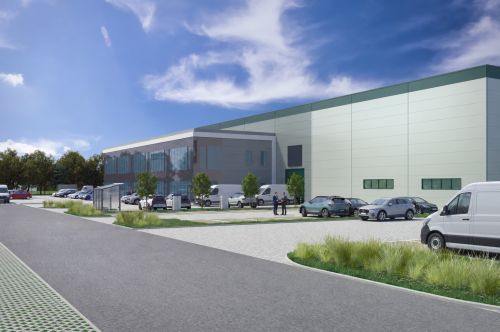
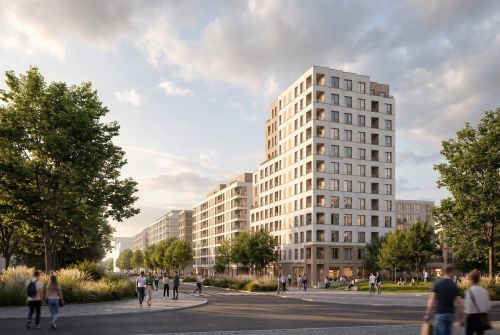
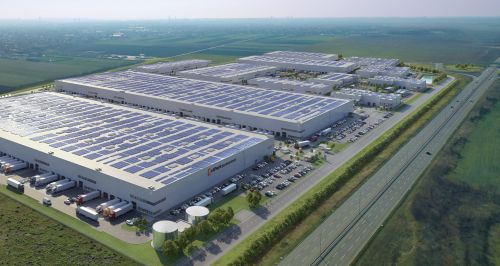
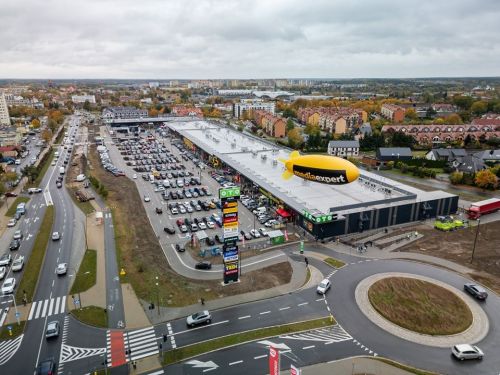
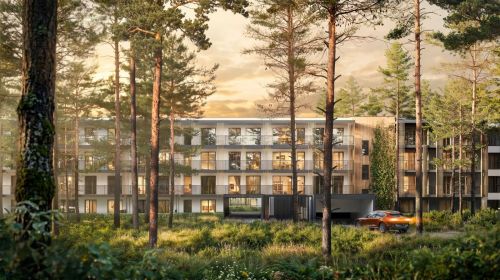
The office sector clearly dominates investment, accounting for around 65 pct of Polish capital investment. Logistics and warehouse properties (around 25 pct), as well as smaller retail formats, are in second place. Interest in the living and hotel segments is also growing.
Purchases are concentrated primarily in Warsaw – especially in central locations – and in the largest regional cities, such as Kraków, Wrocław, and the Tricity area. Smaller, well-leased buildings are popular, allowing for greater investment flexibility and a selective growth strategy.
Attractiveness comparable to emerging markets, stability comparable to the West
The current market cycle favours Polish investors. Poland currently offers a unique combination of high yields – comparable to emerging markets – and the stability characteristic of Western European markets.
Polish office and logistics properties are still valued at a discount of up to 50 pct compared to markets like Germany and France, despite comparable, and often superior, technical standards and building quality. This pricing gap is not justified by market indicators, and this is precisely what domestic capital recognises today.
Piotr Mirowski
Another factor is the limited activity of foreign core funds, particularly from Western Europe, which are primarily focused on their home markets. The resulting liquidity gap is being effectively filled by domestic and regional capital.
Concurrently, financing conditions have improved. Banks – both Polish and foreign – are willing to finance the purchase of commercial properties at debt costs of around 4.5 pct annually, while yields on prime assets exceed 6% and, in the case of value-add strategies, can reach double-digit levels.
Strong economic fundamentals support investment
A stable economic environment supports investor decisions. Although the war in Iran increases economic uncertainty, and its consequences may weaken Poland's economic growth, Colliers' current forecast – GDP to grow by 3.7 pct – still places Poland among the fastest-growing economies in the European Union, significantly above the EU average.
Despite the global turmoil, the Polish economy in 2026 is still based on strong foundations – GDP growth remains among the highest in the European Union, the labour market is strong, and real wages are rising. From the perspective of the real estate market, this means greater stability for tenants: better ability to pay rents, less propensity to make impulsive decisions, and more predictable demand for space.
Grzegorz Sielewicz, chief economist for Central and Eastern Europe at Colliers
Polish capital – the beginning of a long-term trend
Although the share of domestic capital in the investment volume in Poland remains lower than in the Czech Republic or Hungary, where domestic investors account for 60-80 pct of transactions, the growth trajectory in Poland indicates the beginning of a long-term structural change. The increasing wealth of Polish businessmen, access to financing, and current asset valuations are making domestic capital an important pillar of the commercial real estate market in Poland.
For investors, it is crucial that the real estate market in Poland is predictable, operates within a transparent legal and institutional framework, and that rental income is mostly denominated in euros. This is a rare combination of security and attractive returns.
Piotr Mirowski
Polish capital will continue to gain importance
According to Colliers , 2026 will bring a further increase in the importance of Polish capital in the commercial real estate market.
We are witnessing the beginning of a long-term trend. Polish capital is only just gaining momentum. Investors start with smaller transactions, but as the market develops, they will pursue increasingly larger projects. The growing wealth of Polish entrepreneurs, their increasing investment experience, and the return of banks to financing are making commercial real estate a natural investment destination for them.
Piotr Mirowski

A good foundation from which to grow
CBRE
Poland's role and the strength of its economy are increasingly visible in the European commercial real estate market. We have strengthened our leading position in Central and Easte ...
Zero-emission, zero-backup? The resilience gap in modern building standards
Independent Expert
As commercial buildings move rapidly toward full electrification, modern standards optimise for efficiency and emissions – but largely assume uninterrupted power supply. In C ...
Strong warehouse sector whilst capital cautious and offices yet to rebound
Newmark Polska
Poland’s commercial real estate market enters 2026 in good health and with solid growth potential. Warehouses remain one of the strongest sectors in Europe, while constrained ...