







Poland Ageing population requires fewer barriers
Residential
Demographic changes in Polish society are permanent and deepening. In 2025, people aged 65 and over made up 21.1 pct of the country's population, compared to 10.2 pct in 1990, according to data from the Central Statistical Office (GUS). This means that the number of seniors in Poland has increased by 143,000 to over 7.9 mln.
At the same time, it is estimated that by 2050, the population will shrink to approximately 33.2 mln, of which 40.4 pct will be seniors. Moreover, the group of people aged 85+ will increase by as much as 2.5 times.
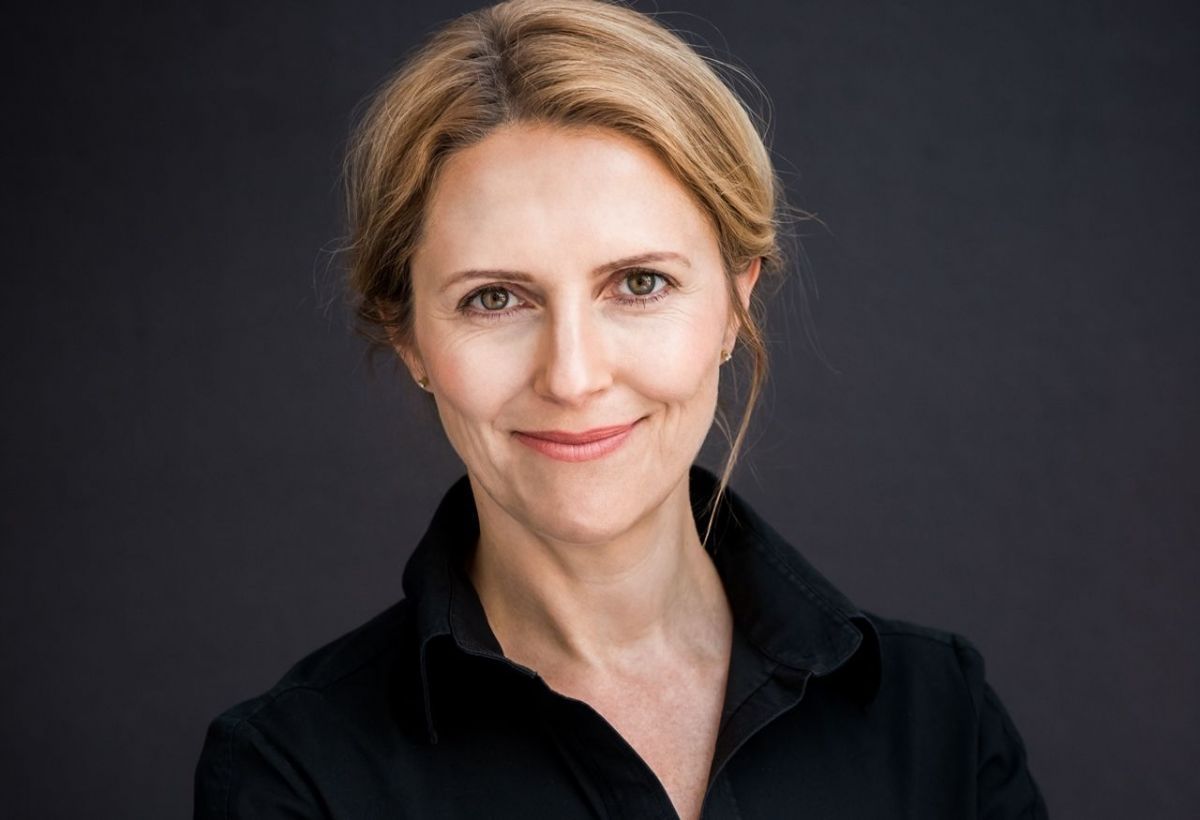
Agnieszka Karwala, senior manager at Skanska Residential Development Poland
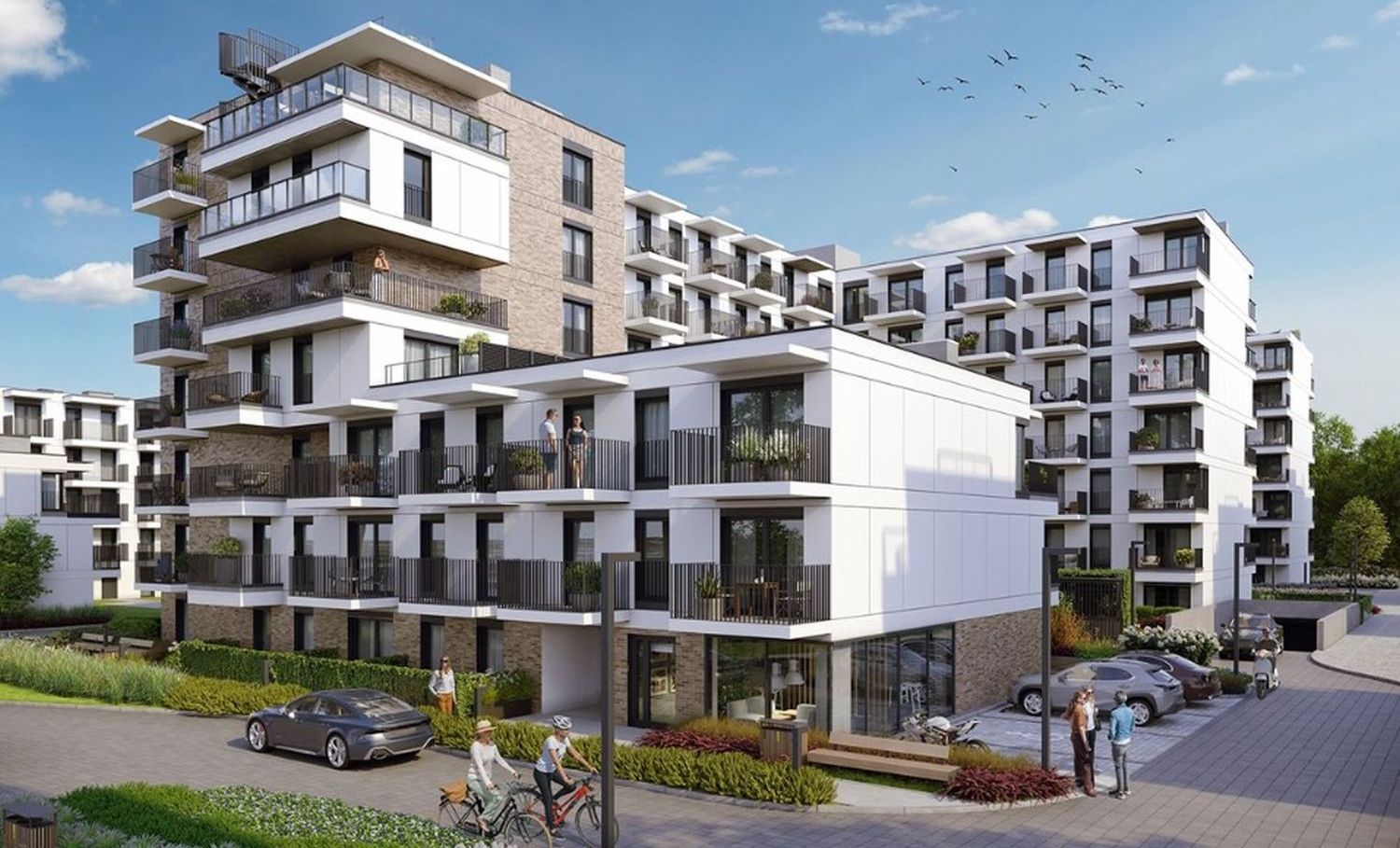
The demographic changes and rising expectations related to quality of life result in the growing role of buildings accessible to various groups of residents as one of the main directions of development of the housing market in Poland. As a result, universal design is no longer merely an element of social responsibility, but is becoming a real, long-term response to the changing needs of residents.
Common Space, Common Needs
The results of a study conducted by ARC Rynek i Opinia and experts from the Integracja Foundation, commissioned by Skanska Residential Development Poland, show that common spaces are increasingly perceived not only as a feature of a housing estate, but also as an important factor in daily comfort and community. As many as 88 pct of residents of multi-family buildings recognise the need to adapt common spaces to the needs of different user groups – for example, by eliminating doorsteps or constructing ramps.
Common spaces are increasingly no longer perceived solely as passageways or technical additions to the building. Today, they largely determine whether a development is accessible and open to the needs of various resident groups. Therefore, their design should combine functionality with consideration for everyday comfort and neighbourhood integration.
Agnieszka Karwala
Everyday Life and Comfort for Seniors
A study conducted for Skanska Residential Development Poland shows that seniors are most likely to feel the effects of the lack of solutions that improve the accessibility of residential buildings. Among the most challenging aspects of daily life, the lack of an elevator and entrance doors with uncomfortable handles and handrails pose the greatest challenges. Lack of door locks, steps and thresholds in common areas are also problematic. Among the features considered most important by seniors, a threshold-free entrance to the building and a large elevator ranked first – both were selected by 21 pct of respondents. A low threshold to the balcony is important for 17 pct, while a low threshold to the balcony is important for 13 pct. Seniors cited wide entrance doors, and approximately one in eight respondents (12 pct) noted the lack of thresholds and steps in common areas.
For seniors, everyday comfort and the immediate surroundings are paramount. As many as 76 pct of respondents aged 60+ cited the importance of nearby shops, and 70 pct cited green spaces. Among the solutions that improve the quality of life in a building, 44 pct of respondents mentioned automatic stairwell lighting, and 37 pct mentioned the reduced height of intercoms, elevator buttons, light switches, and doorbells.
The results clearly show that, from the perspective of seniors, the comfort of living is determined not by complex technologies, but by basic architectural solutions that facilitate daily functioning. The absence of thresholds, a convenient entrance to the building, an appropriately large elevator, and wide doors are elements that increase residents' independence and safety at every stage of life.
Agnieszka Karwala from Skanska Residential Development Poland
Old Housing, New Needs
It is increasingly clear that a significant portion of the existing housing stock no longer meets contemporary accessibility needs. Architectural barriers are a hindrance to many elderly people and those with limited mobility. A study conducted for Skanska Residential Development Poland shows that the largest group consists of residents of buildings built between 1971 and 1989, who account for 38 pct of the surveyed sample.
A significant portion of the existing housing stock was designed for a completely different demographic and social context than those we face today. Therefore, barriers that were considered standard for years are becoming increasingly noticeable in residents' daily lives. It shows how important it is to design buildings in a way that is flexible, accessible, and responsive to the changing needs of users.
Agnieszka Karwala
As many as 76 pct of all respondents – including 74 pct of seniors and 76 pct of adults – have at least once encountered difficulties resulting from the inaccessibility of common areas. The most common difficulties involved carrying oversized items into a multi-family building, as indicated by 54 pct of respondents, while 40 pct reported difficulty carrying heavy shopping bags. Narrow doors also remain a problem, cited by 24 pct of respondents.
At the same time, narrow hallways and stairwells cause the greatest discomfort among people 60+ – 68 pct of respondents cited this issue. A slightly smaller percentage, 60 pct, cited the insufficient size of the elevator. Narrow entrance doors to the building also prove to be a nuisance, with 59 pct citing them as a source of significant or moderate discomfort. The elderly were among the most vulnerable, and 58 pct were concerned about the lack of a lock on the entrance door. More than half of the respondents also felt discomfort due to the lack of ramps for wheelchairs and bicycles (55 pct) and the presence of steps and thresholds in common areas (52 pct). Less frequently cited were the distance of the basement or storage unit from the apartment (49 pct) and the lack of a bicycle or wheelchair storage room in the building (44 pct).
In many areas, the regulations in force in Poland set a level of requirements that does not always meet the actual needs of various groups of residents. That is why expert initiatives and collaboration with organisations working to set higher accessibility standards are so important. An example of this is the "Building Without Barriers" certification, which is awarded only to buildings that undergo a rigorous architectural audit assessing accessibility from the perspective of people with various needs
Agnieszka Karwala
The study “Estate and apartment accessible to all” was prepared by the Integracja Foundation and conducted by ARC Rynek i Opinia on behalf of Skanska Residential Development Poland.

Sales up, supply down
JLL Polska
In the first quarter of 2026, the Polish housing market recorded a significant increase in sales. A total of 12,900 apartments were sold across the country's seven largest cities ( ...
Rent isn't everything. The real costs of leasing warehouse space
Newmark Polska
Choosing a new warehouse takes much more than simply comparing rental rates across a few or even a dozen centres. With rising energy costs and varying technical standards, the actu ...
A good foundation from which to grow
CBRE
Poland's role and the strength of its economy are increasingly visible in the European commercial real estate market. We have strengthened our leading position in Central and Easte ...