







Poland Neighbourhood becoming more important in home purchases
Residential
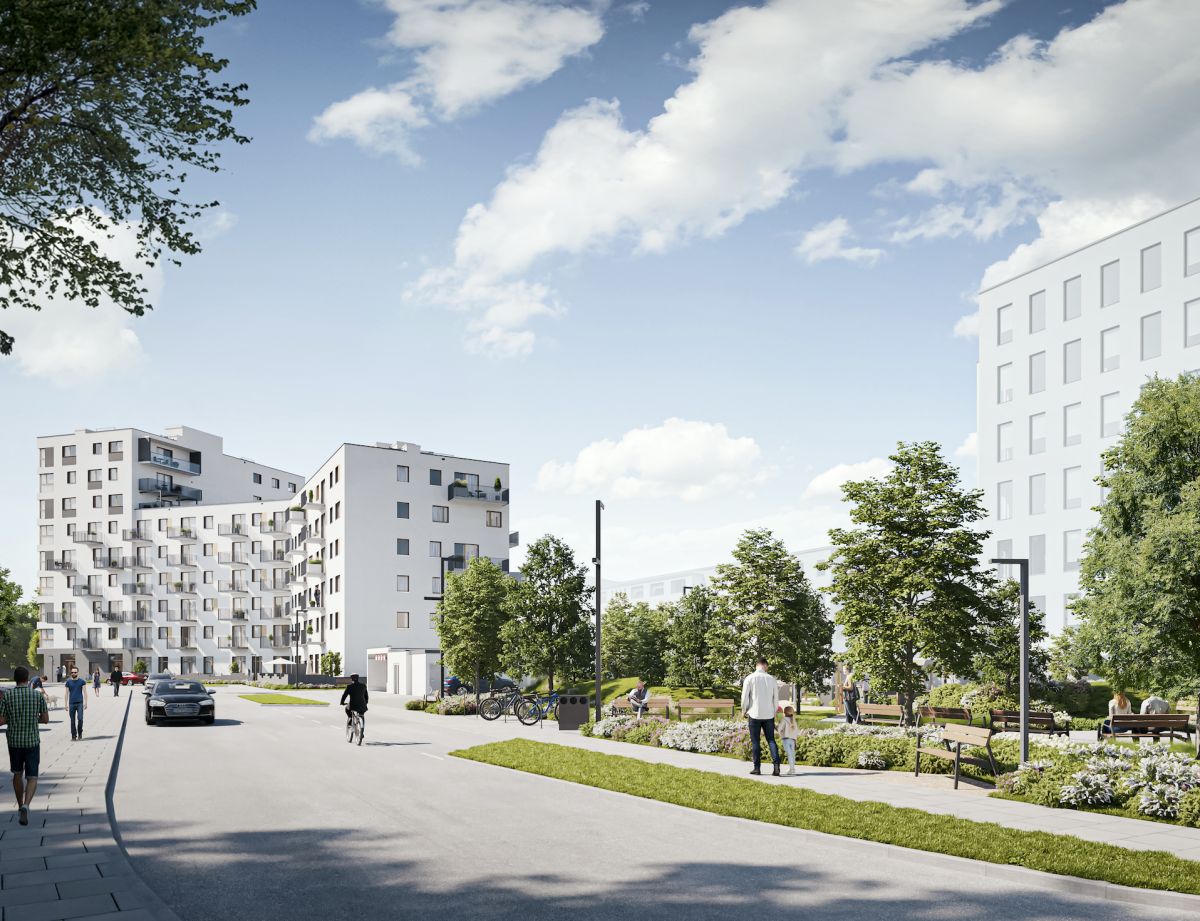
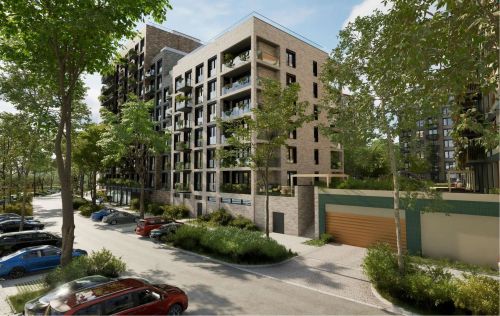
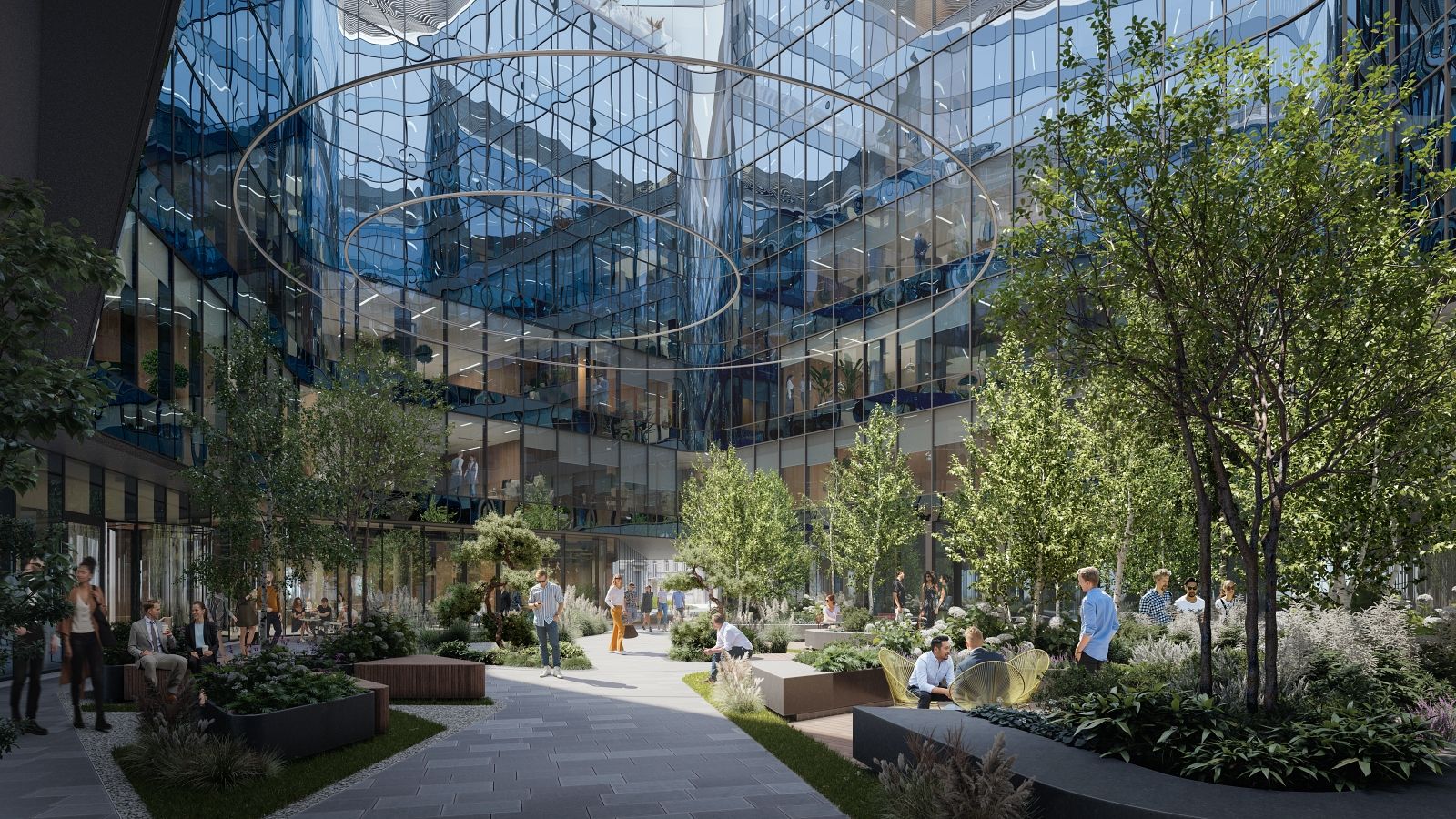
Just a few years ago, decisions about apartments focused primarily on size, price, and the prestige of the address. Today, Poles' expectations are increasingly shifting toward the quality of everyday life. As the Living 2040 report, published by Open Format in partnership with Skanska Residential Development and Nieruchomości-online, shows, a good place to live is defined primarily by price and running costs (45 pct), neighbourhood safety (42 pct), peace and quiet (39 pct), and proximity to work or school (37 pct). Access to green spaces (34 pct) and services such as shops, clinics, and public transport (32 pct) also rank highly. The address itself is becoming less and less important, while the everyday life around it is becoming increasingly important.
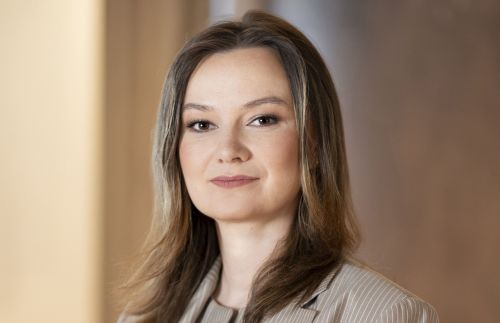
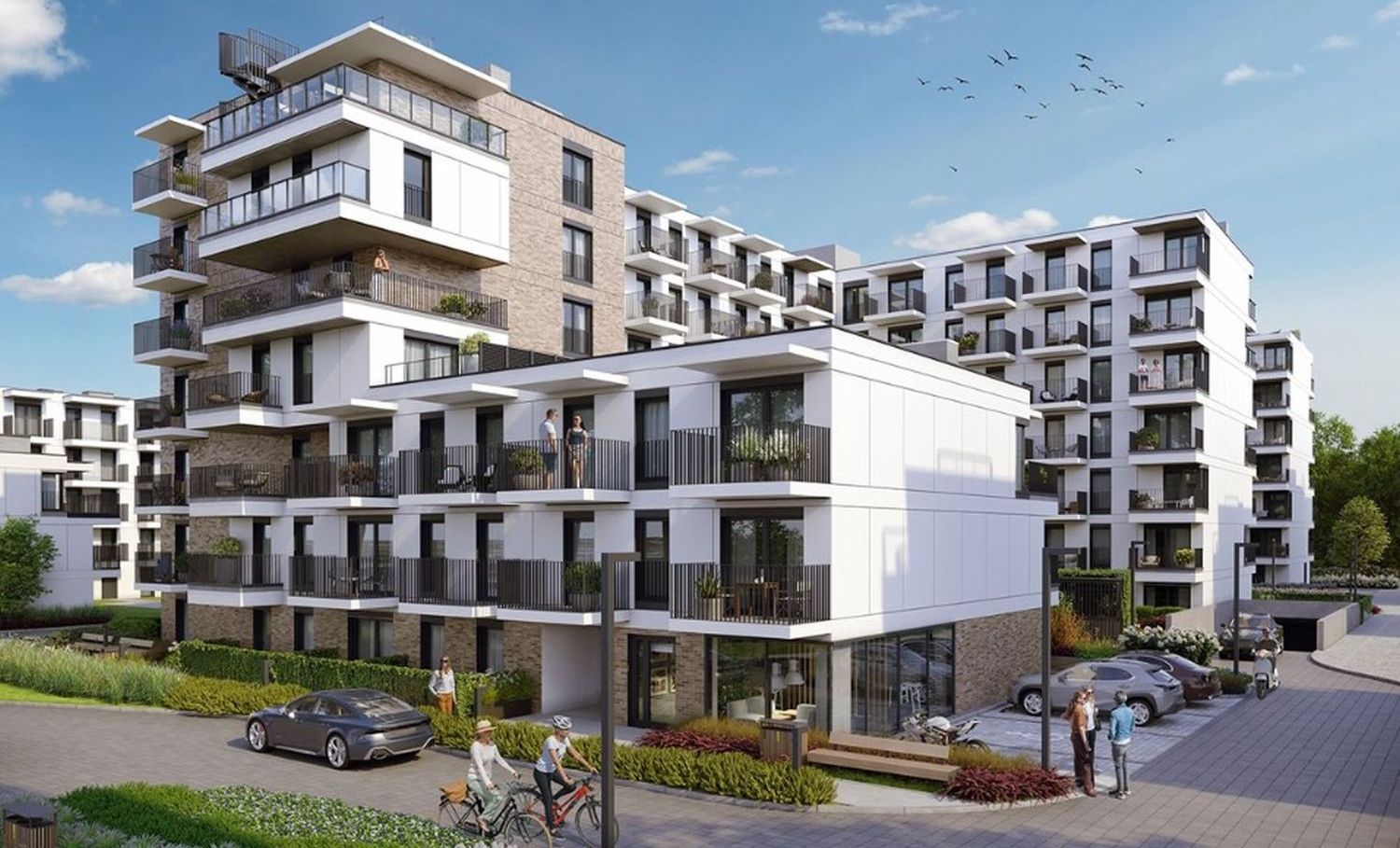
Less and less are we choosing apartments based solely on price, square meterage, or standard of finish. Buyers today value what's outside their doors just as much – whether the neighbourhood offers convenient access to everyday amenities, relaxation, health care, or places to spend time with loved ones. We increasingly view an apartment as part of a specific lifestyle and our long-term plans.
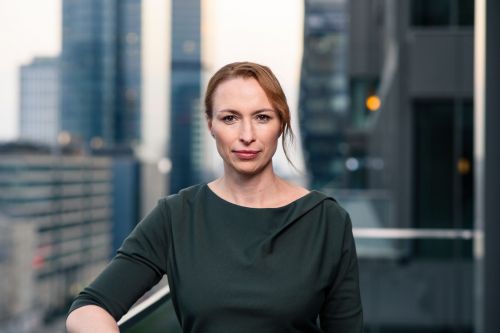
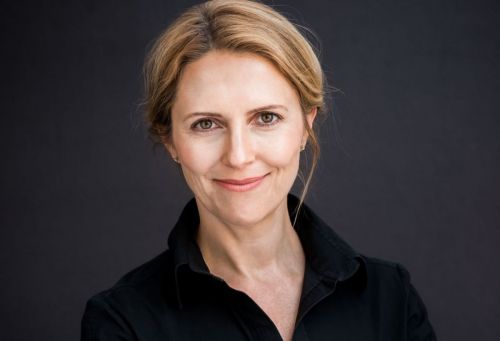
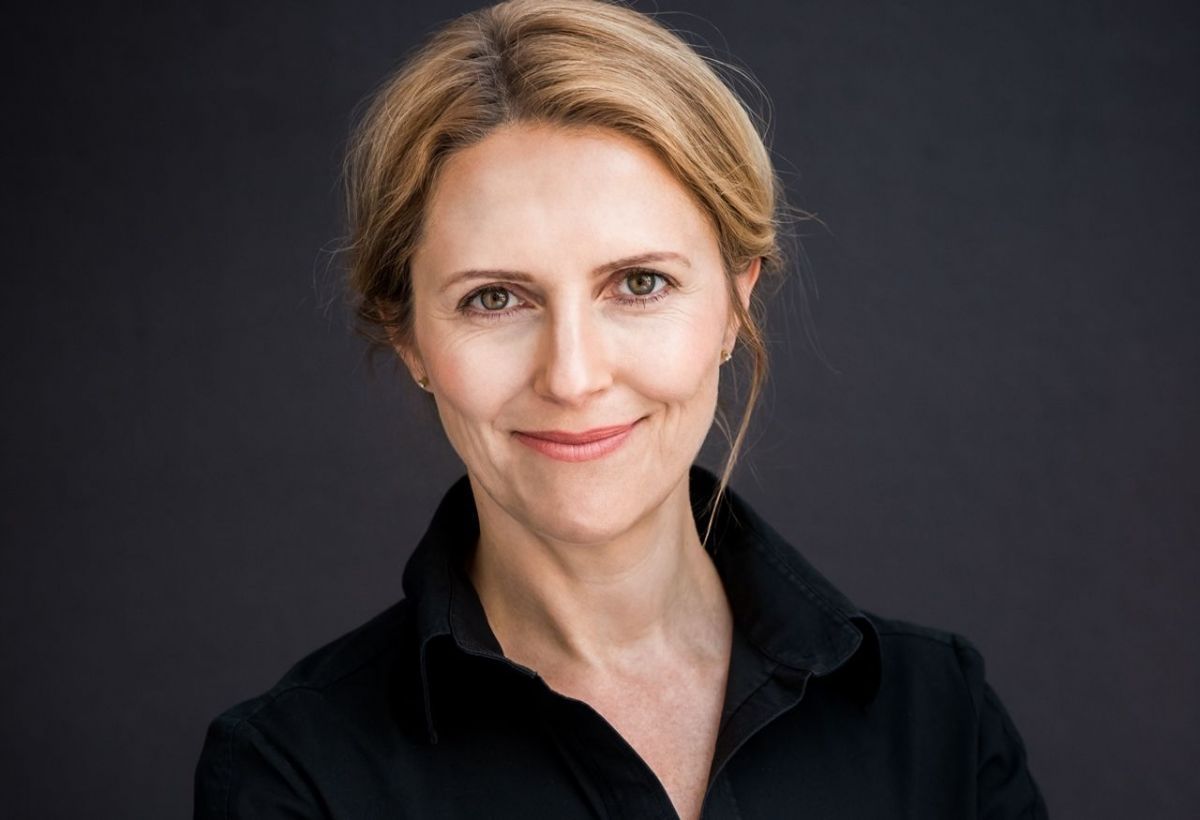
Aleksandra Goller, Skanska Residential Development Poland
The study also shows that the very definition of comfort is changing. Today, it doesn't mean luxury, but balance: access to light, silence, and greenery. The importance of size, comfort, and being 'centrally located' can lose out to a well-designed environment. Over half of those surveyed cite the neighbourhood as one of the key factors on their quality of life.
Housing Estates as a Service
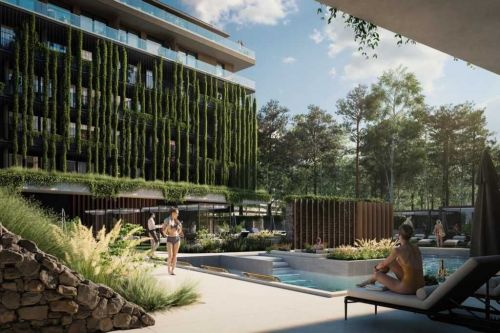
The most frequently cited features include a grocery store (51 pct), a community gym (39 pct), and shared recreational spaces such as a recreation room or relaxation area (32 pct). A community garden (30 pct), a media library or library (29 pct), and a laundrette (21 pct) also ranked highly.
The shift in residents' expectations has significant implications for the entire market: the value of an apartment will increasingly be determined by its role in the urban environment. The 15-minute city model, based on the ability to meet daily needs within walking distance or a short commute, is also maturing in Poland. Around 16 pct of respondents listed a nursery or kindergarten among the desired common features, and 26 pct listed playgrounds for children. This demonstrates that housing developments are increasingly designed to support various stages of life, not just meet basic housing needs.
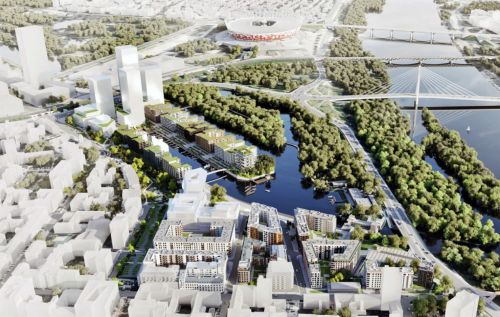
It is becoming increasingly clear that the success of a development is no longer determined solely by the building's standard. Residents are paying attention to how the entire environment functions – whether they have access nearby to services, green spaces, and leisure activities, as well as whether daily use of the apartment is comfortable and economical, meeting the needs of different groups of residents – families, singles, and seniors. Therefore, designing housing developments today requires a broader perspective. It is the quality of life offered by a given location that largely builds its long-term value
Aleksandra Goller.
New Resident
The approach of modern buyers described in the report accurately reflects current purchasing decisions. The report points out that younger generations, especially those more likely to choose "good enough" solutions over ideal ones, are more adept at calculating costs and are more willing to compromise between dreams and real possibilities. Instead of aspirational thinking about ownership, a pragmatic approach is increasingly emerging – housing should be tailored to one's life stage, needs, and lifestyle, not simply fulfilling a vision of success. This is also reflected more broadly: 41 pct of people aged 18-35 declare that home ownership is not a prerequisite for life stability, and for some respondents, simply "on one's own terms" is becoming more important than "having one's own place."
These conclusions are also illustrated by the different groups described in the report. Alongside the "Safe Haven," who seek peace and predictability, the "Urban Comfort" and "Eco-Rational" profiles are becoming increasingly evident. The former prioritises accessibility – good transport links, proximity to services, and practical amenities. The latter combines environmental awareness with financial pragmatism, seeking cost-effective, durable, and sustainable solutions. This demonstrates that the modern resident is no longer just a consumer of a housing product, but a conscious user of space who expects real value from the investment in their daily lives.
In practice, this means shifting the focus from the apartment itself to how the home fits into the daily lives of its residents. For developers, designers, and local governments, this is a clear signal that it's worth creating spaces that not only meet current needs but will also maintain their functionality and attractiveness over the long term.

Who will win and who will lose with changes to the land market
Walter Herz
The biggest change to the land market in years is on the horizon. The spatial planning reform will mean that plots previously considered attractive may lose value, while land with ...
Sales up, supply down
JLL Polska
In the first quarter of 2026, the Polish housing market recorded a significant increase in sales. A total of 12,900 apartments were sold across the country's seven largest cities ( ...
Rent isn't everything. The real costs of leasing warehouse space
Newmark Polska
Choosing a new warehouse takes much more than simply comparing rental rates across a few or even a dozen centres. With rising energy costs and varying technical standards, the actu ...